
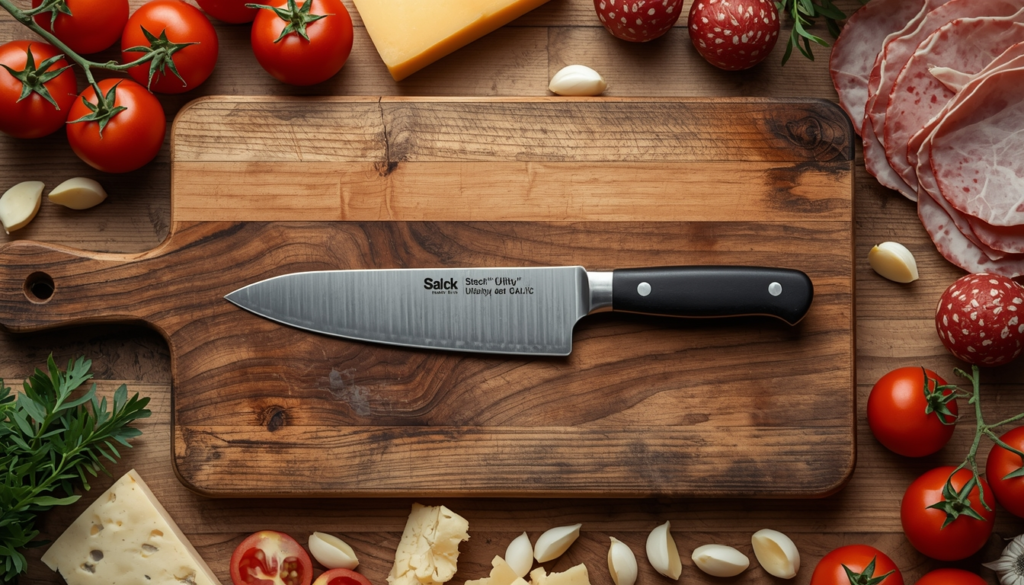
A kitchen utility knife is exactly what you were missing. Kitchen utility knives are used for a wide range of everyday food preparation tasks. This includes slicing fruits and vegetables, trimming meat, and cutting sandwiches. It’s great for handling small, precise cuts that need more control than a chef’s knife can offer.
Think of it as the always-useful utility knife that sits perfectly between the big and the small. In this guide, I’ll show you everything you need to know about this multi-purpose kitchen tool. You’ll learn how it works to when to use it, and how to take care of it.
Key Takeaways
- A utility knife bridges the gap between a chef’s knife and paring knife
- Ideal blade length for most home cooks is 6 inches
- Best for slicing tomatoes, trimming meat, cutting cheese, and sandwiches
- Serrated edges suit crusty or slippery foods; straight edges suit precision cuts
- Always hand wash, hone regularly, and store safely
- A sharp knife is always safer than a dull one
What Is a Utility Knife in the Kitchen?
A kitchen utility knife is a mid-sized knife, between 4 and 7 inches in blade length. It’s designed to handle the tasks that fall between a paring knife and a chef’s knife. The blade is narrow, straight or slightly curved, and tapers to a thin tip. This feature makes it a maneuverable blade perfect for intricate kitchen tasks.
It’s called a “utility” knife because of its utilitarian knife nature: it’s designed to be useful across many cooking situations. This knife is not specialized like a boning knife, a bread knife, or a carving knife. It’s a versatile knife that jumps in when other knives are either too big or too small.
What Defines a Utility Knife (Size, Shape, Purpose)
The blade length on most utility knives ranges from 4 to 7 inches. The most common length is a 6-inch blade or a ½-inch utility knife profile that’s slim and lightweight. The narrow blade gives you control, while the blade length gives you more reach than a paring knife. This combination makes it a highly maneuverable blade for detailed cutting tasks.
Typical Blade Length and Why It Matters
| Blade Length | Best For |
|---|---|
| 4–5 inches | Peeling, trimming, small ingredients |
| 6 inches | Slicing tomatoes, cheese, deli meats |
| 7 inches | Sandwiches, pork chops, larger produce |
A 7-inch blade is ideal if you want a little extra blade length for slicing sandwiches or cutting through soft cheeses. A 6-inch blade is the sweet spot for most home cooks who want control without bulk.
How It Differs From General-Purpose Knives
A chef’s knife has a wide, high blade built for chopping and rocking motions. A paring knife has a small blade built for peeling and detailed precision. The utility knife has a slim blade that gives you both reach and control, without the bulk. It handles the middle-ground tasks that chef’s knives and paring knives can’t always do comfortably.
Why It’s Called a “Utility” Knife
The word utility simply means “useful.” This knife earned the name because it fills the gap in your knife block where no single specialized knife fits. It’s a resourceful knife that covers a wide cooking range of everyday tasks. Whether you’re cutting garlic cloves, slicing cured meats, or trimming pork chops, the utility knife is ready.
Is a Utility Knife the Same as a Sandwich Knife?
Not exactly, but they’re closely related. Some sandwich knives have a serrated edge, while utility knives may be straight-edged. However, slicing sandwiches is one of the most common tasks for a utility knife.
Is It Considered Essential or Optional?
That depends on your knife kit. For minimalist cooks, it might feel optional. But once you use one regularly, most home cooks consider it an important tool in a proper knife kit.
What Is a Utility Knife Used For? Real Kitchen Tasks
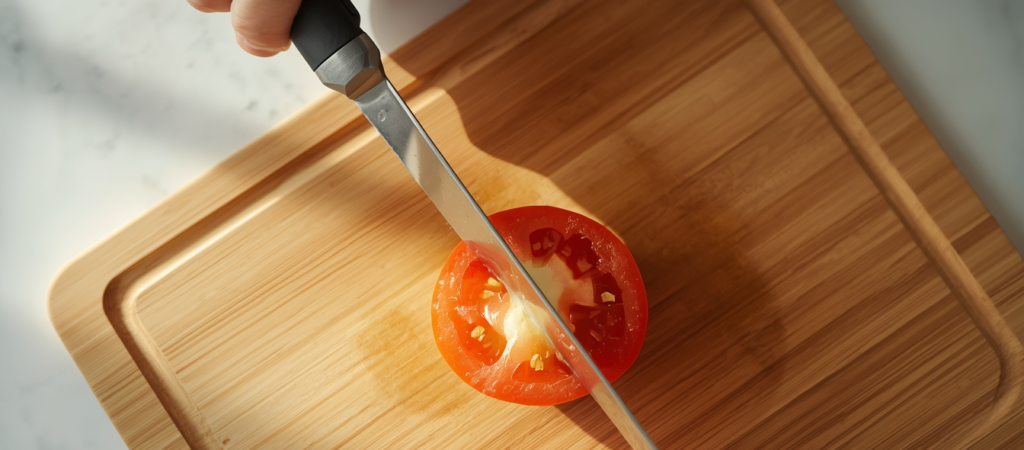
This is where the utility knife shines. It handles the in-between tasks that make daily cooking smoother. Understanding what are kitchen utility knives used for is the key to getting the most out of this handy blade.
Everyday Food Prep Tasks It Handles Best
- Slicing tomatoes cleanly without crushing them
- Trimming fat from cuts of meat
- Cutting soft cheeses and hard cheeses with precision
- Slicing sandwiches in half neatly
- Mincing garlic or chopping small ingredients
- Peeling and slicing carrots or potatoes
- Portioning deli meats and cured meats
Fruits and Vegetables (Mid-Sized Produce Use Cases)
For mid-sized produce like tomatoes, peppers, zucchini, and peaches, a utility knife is the right tool. The thin blade slides through soft skin without tearing. It handles slicing tomatoes far better than a thick chef’s knife. You get cleaner, more even cuts with less effort.
Meat Trimming and Portioning
A utility knife is excellent for trimming fat, slicing through pork chops, and portioning smaller cuts of meat. It’s not a boning knife or a filleting knife. So don’t use it for tough meats or bone-in work. But for everyday meal preparation involving beef cuts, poultry, and deli meats, it handles the job well.
Sandwiches and Ready-to-Eat Foods
One of the most satisfying uses of a utility knife is slicing sandwiches. The narrow blade cuts cleanly through stacked layers without squishing the bread. It also handles laminated pastry, soft rolls, and wraps with ease.
Small Precision Cuts That Need Control
When a chef’s knife feels clunky, the utility knife steps in. Think mincing garlic, cutting small items like strawberries, trimming herbs, or detailed knifework like scoring a piece of fish. The thin tip and slim blade give you precision that larger knives can’t match.
Can You Use It for Meal Prep Every Day?
Yes! Home cooks use their utility knife for repetitive chopping and slicing tasks during weekly meal preparation. It’s comfortable, lightweight, and fast.
What Foods Are Easiest to Cut With Utility Knife?
Soft cheeses, tomatoes, deli meats, garlic, sandwiches, and mid-sized vegetables are all ideal.
What Foods Should You Avoid Using A Utility Knife on?
Avoid using it on hard ingredients like squash, hard bread loaves, or bone-in pork chops. These tasks need a thicker blade or specialized knife.
When Should You Use a Utility Knife Instead of Other Knives?
Making the right knife choice at the right moment is a real skill. Here’s how to think about it.
Utility Knife vs Chef’s Knife (Speed vs Control)
A chef’s knife is built for speed. It is wide, heavy, and great for quick chopping tasks and rapid chopping of large ingredients. A utility knife sacrifices some speed for control. When you need detailed cutting tasks on smaller items, the utility knife wins.
Utility Knife vs Paring Knife (Size and Precision Trade-Off)
A paring knife excels at peeling, intricate cuts, and working in-hand. But once you move to a cutting board with small to medium ingredients, the utility knife is faster and more comfortable. The extra blade length helps with slicing tasks that a paring knife would struggle with.
Situations Where It’s the Best Tool
- Slicing tomatoes or soft fruits
- Cutting and portioning cheese
- Trimming meat before cooking
- Slicing sandwiches or wraps
- Handling garlic cloves and small vegetables
Situations Where It’s the Wrong Tool
- Chopping large vegetables like pumpkin or cabbage
- Breaking down bone-in cuts of meat
- Slicing large loaves of bread
- Tasks that need a wide blade for scooping or transferring food
Is It a Good “In-Between” Knife?
Absolutely. That’s exactly its purpose. The utility knife sits between paring knives and chef’s knives and handles the tasks that fall in that gap.
Can Beginners Rely on It for Most Tasks?
Yes, beginners often find a utility knife less intimidating than a large chef’s knife. It’s a great starting point for developing knife skills.
What Can’t a Utility Knife Do Well?
No knife does everything. Knowing the limits of your utility knife makes you a smarter cook.
Large Chopping and Heavy-Duty Cutting
The blade length on a utility knife isn’t long enough for efficient cutting of large cabbages, watermelons, or thick squash. A chef’s knife or cleaver is a better fit for this culinary task.
Hard Foods and Bones
Using a utility knife on bones will damage the blade and potentially cause injury. A boning knife or a good carving knife is built for those tougher jobs. The slim blade of a utility knife isn’t designed for that level of force.
Bread and Crusty Surfaces (With Straight Edge)
A straight-edge utility knife will crush crusty bread rather than cut it. For baking basics like slicing sourdough or baguettes, a serrated knife or dedicated bread knife is the right knife choice.
Tasks That Need a Wide Blade
Wide-blade knives help you scoop and transfer chopped ingredients from cutting board to pan. A utility knife’s narrow blade doesn’t help with this. So a chef’s knife is better for high-volume chopping.
When Should You Switch to a Different Knife?
Switch when the task requires more force, a longer blade, or a specialized edge like a serrated knife.
What Damage Can Misuse Cause?
Using a utility knife on bones or frozen food can chip the blade, dull the edge rapidly, or cause the knife to snap. A damaged blade is dangerous in the kitchen.
Types of Utility Knives Explained
Not all utility knives are the same. Understanding knife types helps you pick the best one for your cooking style.
Straight Edge Utility Knives (Precision and Control)
A straight edge utility knife is ideal for precision tasks. For example slicing cheese, trimming meat, and cutting small ingredients with clean, smooth cuts. It’s easier to sharpen at home and produces cleaner cuts on soft ingredients. This is the most common type you’ll find in a knife block.
Serrated Utility Knives (Grip and Tough Surfaces)
A serrated utility knife uses a saw-like blade or jagged blade to grip tough or slippery surfaces. It’s excellent for slicing tomatoes, cutting through crusty rolls, and handling tough meats with a fibrous surface. The serrated knife requires less downward pressure and reduces tearing.
Hybrid or Scalloped Edges
Some modern kitchen knives use a scalloped edge. It is a small oval indentations along the blade that reduce friction. These blades are excellent for slicing. They’re popular among Japanese knives and laser-cut blades from manufacturers like Wüsthof. The blade allows food to release cleanly with each cut.
Which Type Is Best for Beginners?
A straight edge utility knife is easiest to start with and simplest to sharpen. Most beginner knife kits include one.
Do You Need Both Types?
If you bake or slice a lot of crusty bread and tomatoes, having both a serrated utility knife and a straight-edge utility knife is useful. Otherwise, a single straight-edge knife covers most cooking needs.
Serrated vs Straight Edge: Which One Should You Choose?
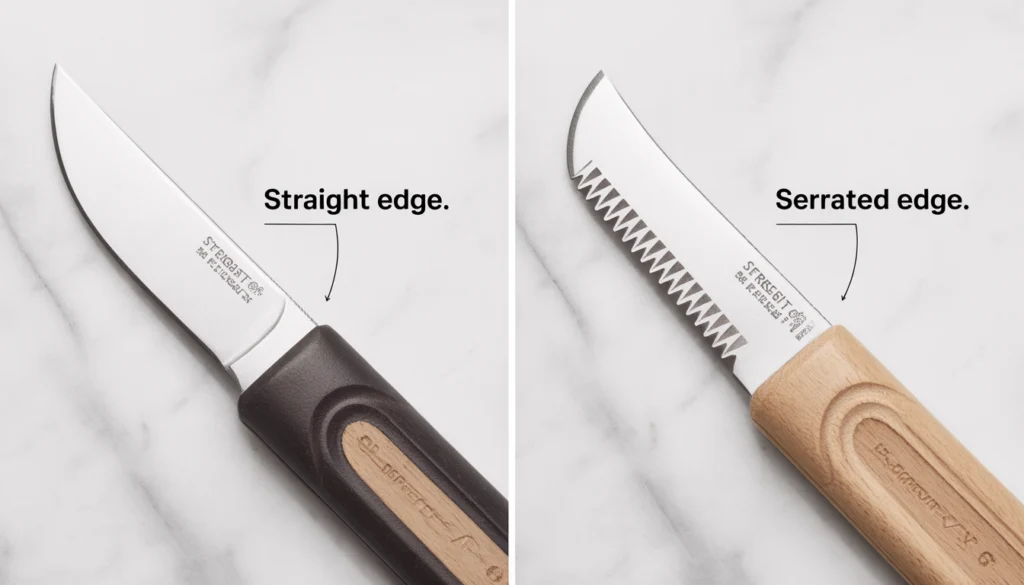
This is one of the most common questions for home cooks shopping for kitchen knives. Here’s a simple breakdown.
Key Differences in Cutting Performance
| Feature | Straight Edge | Serrated Edge |
|---|---|---|
| Best for | Clean, precise cuts | Tough or crusty surfaces |
| Sharpening | Easy at home | Needs a special sharpener |
| Tomatoes | Good with a sharp knife | Excellent grip |
| Cheese | Excellent | Can tear soft cheeses |
| Bread | Poor | Excellent |
Pros and Cons of Each
Straight edge:
- ✅ Cleaner cuts, easier maintenance, precise slicing
- ❌ Struggles with crusty surfaces
Serrated edge:
- ✅ Great on tough and slippery foods
- ❌ Harder to sharpen, can tear delicate foods
Best Use Cases for Each Edge Type
Use a straight edge for cheese, meat trimming, garlic, and detailed knifework. Use a serrated knife for tomatoes, rolls, cured meats, and tough-skinned fruits.
Is a Serrated Utility Knife Better for Tomatoes and Bread?
Yes. The jagged blade grips the skin and cuts through without crushing. It’s a better blade for those specific culinary needs.
Which One Stays Sharp Longer?
A serrated knife technically stays sharp longer because the serrations protect the cutting edge. However, when a straight edge dulls, you can resharpen it at home. A serrated knife needs a professional knife sharpener or special sharpener.
How to Choose the Right Utility Knife
Choosing the right knife from the wide world of kitchen knives can feel overwhelming. Here’s what actually matters.
Choosing the Right Blade Length
For most home cooks, a 6-inch blade is ideal. It’s long enough for slicing tasks but short enough for precision. If you frequently slice sandwiches or larger produce, consider a 7-inch utility knife for extra blade length.
Best Blade Materials (Stainless vs Carbon Steel)
| Material | Pros | Cons |
|---|---|---|
| Stainless steel | Rust-resistant, low maintenance | Can dull faster |
| Carbon steel | Holds a sharper edge longer | Requires more care to avoid rust |
| High-carbon stainless | Best of both worlds | More expensive |
Most home kitchens do well with a high-carbon stainless steel blade. It combines edge retention with rust resistance. Brands like Wüsthof utility knives use this approach in their German-style knives.
Handle Comfort and Ergonomics
The handle matters as much as the blade. Look for a grip that feels secure in your hand, especially when wet. A good handle reduces fatigue during repetitive chopping. German-style knives tend to have thicker, more rounded handles. Japanese knives have thinner, more angular grips.
Weight, Balance, and Control
Western knives and German-style knives are heavier and more robust. Japanese knives, including the Japanese chef knife style, are lighter with a straighter blade. Lighter knives are better for intricate cuts; heavier knives for more forceful tasks. Hold a knife before buying when possible, balance is personal.
What’s the Best Size for Home Cooks?
A 6-inch utility knife is the go-to for most home cook situations.
Should You Focus on Sharpness or Durability?
A sharp knife is always safer and more efficient than a dull one. Focus on a blade that holds its edge well, then focus on durability.
What Features Actually Matter vs Marketing Hype?
Skip the marketing. Focus on blade material, handle comfort, and blade length. Manufacturing method (forged vs stamped) matters. But high-quality stamped knives like laser-cut blades can rival forged ones.
How to Use a Utility Knife Properly
Great knife skills start with proper technique. Even a perfect blade underperforms if used incorrectly.
Proper Grip and Hand Positioning
Use a pinch grip. Pinch the base of the blade between your thumb and index finger, and wrap your remaining fingers around the handle. This gives you the most control. Keep your non-knife hand in a “claw” position to protect your fingers during cutting tasks.
Basic Cutting Techniques
- Slicing: Use a smooth forward motion, letting the blade do the work
- Mincing: Rock the tip of the knife while moving the heel in an arc
- Trimming: Use the tip for small, controlled cuts near the surface of meat or produce
Controlling Small, Precise Cuts
For intricate cuts and detailed knifework, use the thin tip of the utility knife. Work slowly, with light pressure. The maneuverable blade on a utility knife is designed for this kind of control.
How to Cut Safely Without Slipping
Always use a stable cutting board. Keep your blade sharp. A dull knife requires more force and slips more easily. Dry your hands and the handle before cutting.
How to Get Cleaner, More Even Cuts
Let the blade do the work. Don’t press down. Guide the knife forward with a slicing motion. This is especially important when slicing tomatoes or soft cheeses.
Common Mistakes When Using a Utility Knife
Even experienced cooks make these mistakes. Here’s how to avoid them.
Using It for Tasks That Are Too Large or Too Tough
Trying to use your utility knife to chop butternut squash or cut through bone-in pork chops is a common mistake. It’s the wrong tool, and it can chip or damage the blade permanently.
Applying Too Much Force
A sharp knife should glide through ingredients. If you’re pushing hard, either the knife is dull or you’re using it on the wrong food. Too much force increases the chance of the knife slipping and causing injury.
Using the Wrong Cutting Surface
Glass and ceramic cutting boards destroy knife edges fast. Always use a wood or plastic cutting board for your kitchen knives. A wood board is gentler on the blade and helps your knife stay sharper longer.
Neglecting Maintenance
A neglected utility knife becomes a crappy knife quickly. Regular honing keeps the edge aligned. Sharpening restores the edge when it dulls. Skipping these steps leads to a frustrating cutting experience.
Why Dull Knives Are More Dangerous
Dull knives need more force, which means more chance of slipping. A sharp knife is one of the most important tools in kitchen safety.
How Bad Habits Damage Your Knife
Storing knives loosely in a drawer causes blade damage. Putting them in the dishwasher degrades the handle and edge. These habits shorten the life of even high-quality cutting tools.
How to Care for and Maintain a Utility Knife
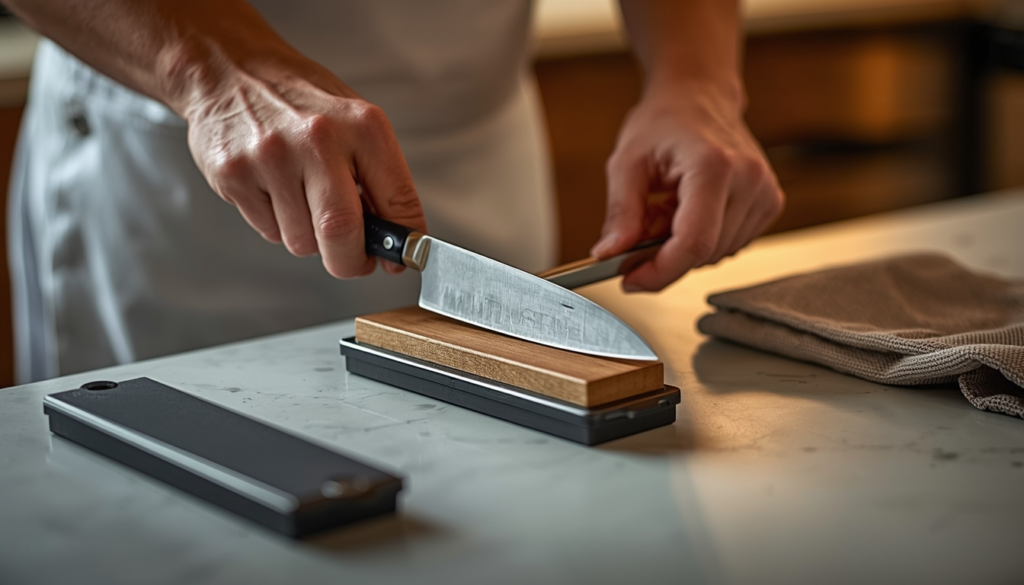
Good maintenance turns a decent knife into a long-lasting investment.
Proper Cleaning and Drying
Always hand wash your utility knife with warm soapy water immediately after use. Dry it right away with a clean cloth. Never soak knives in water. It damages both the blade and handle.
Honing vs Sharpening (What’s the Difference?)
| Task | What It Does | How Often |
|---|---|---|
| Honing | Realigns the edge | Before every use |
| Sharpening | Removes metal to restore edge | Every 3–6 months |
A honing steel keeps your edge aligned between sharpenings. A knife sharpener or whetstone restores a truly dull edge.
How Often to Sharpen
For a home cook using their utility knife regularly, sharpening 2–4 times per year is usually enough. If you hone regularly, you’ll sharpen less often.
Safe Storage Methods
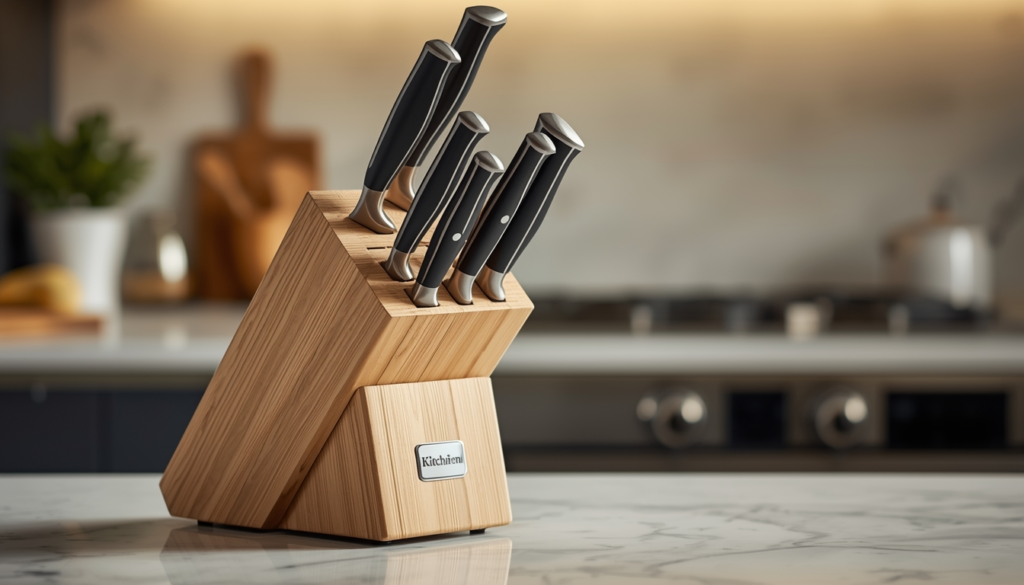
- Knife block: Classic and protects edges
- Magnetic strip: Keeps knives visible and accessible
- Blade guard: Good for drawer storage
Avoid tossing knives loose into a drawer. It damages both the blade and your fingers.
Can You Put a Utility Knife in the Dishwasher?
No. The heat, moisture, and harsh detergents in a dishwasher damage the blade’s edge and break down handle materials over time. Always hand wash.
How to Maintain a Serrated Edge
A serrated knife needs a special sharpener. Specifically one with a tapered rod that fits into each serration. This is harder to do at home, so many people send their serrated utility knife to a professional knife sharpener.
How Long Does a Utility Knife Last?
A good utility knife can last a lifetime with proper care. Here’s what affects how long yours will hold up.
Factors That Affect Lifespan
- Blade material: High-carbon stainless steel lasts longer than low-quality stainless
- Usage habits: Daily use on the right foods extends life; misuse shortens it quickly
- Maintenance routine: Regular honing and proper sharpening dramatically extend lifespan
Signs It Needs Sharpening or Replacement
| Sign | What It Means |
|---|---|
| Tomatoes squish instead of slice | Time to sharpen |
| Edge looks chipped or wavy | Possible replacement needed |
| Blade flexes unexpectedly | Structural damage — replace |
| Handle is loose or cracking | Safety risk — replace |
How Maintenance Impacts Longevity
A Wüsthof utility knife or similar high-quality knife, properly maintained, can last 20+ years. Skipping maintenance on even a great knife can ruin it in a few years. A professional knife sharpener can restore knives that feel past their prime.
Can a Good Utility Knife Last Years?
Yes, decades, in fact. Many professional cooks use the same knives for 15–25 years.
When Is It Time to Replace It?
Replace your utility knife when the blade is chipped, the handle is damaged, or resharpening no longer restores a functional edge.
Do You Really Need a Utility Knife?
Let’s be honest about this.
Who Benefits Most From Owning One
Home cooks who prepare meals from scratch several times a week will get the most value. If you regularly slice tomatoes, trim meat, slice sandwiches, or prep small ingredients. The utility knife is an ideal knife for your routine.
When It Adds Value Beyond a Chef’s Knife
A chef’s knife is great for large tasks. But when you’re doing detailed knifework on small or delicate ingredients. The utility knife’s narrow, slim blade gives you control a chef’s knife simply doesn’t offer.
Minimalist Kitchen vs Full Knife Set
If you’re building a minimalist kitchen, the utility knife is actually the knife you should add first after a chef’s knife. It extends your cooking range without requiring an entire set. If you have a full knife set, a utility knife completes your well-rounded kitchen arsenal.
Can You Cook Without One?
Yes, but you’ll find yourself using your paring knife when it’s too small, or your chef’s knife when it’s too big. The utility knife eliminates that frustration.
Is It Worth Buying If You Already Have Other Knives?
Absolutely. Most cooks who add a utility knife to their knife block find it becomes one of their most-used tools within a week.
Frequently Asked Questions About Utility Knives
What Size Utility Knife Is Best?
For most home cooks, a 6-inch utility knife is the ideal blade length. It handles everything from slicing tomatoes to trimming meat without feeling too large or too small.
Can It Replace a Chef’s Knife?
Not entirely. A chef’s knife handles large-volume chopping and heavy culinary tasks better. But a utility knife covers the majority of daily food preparation tasks with more control.
Can It Cut Bread or Meat?
A serrated utility knife cuts bread well. For meat, a straight-edge utility knife is excellent for trimming and portioning, but not for bone-in cuts of meat or thick beef cuts.
Is a Serrated or Straight Edge Better?
It depends on what you cook most. Slicing tomatoes and bread? Serrated. Trimming meat and slicing cheese? Straight edge. Many cooks eventually own both.
How Often Should You Sharpen a Utility Knife?
Hone before every use. Sharpen every 3–6 months depending on how often you cook.
Is a Utility Knife Good for Beginners?
Yes, a utility knife is one of the friendliest kitchen knives for beginners. It’s lightweight, easy to control, and teaches good cutting habits.
What’s the Biggest Mistake People Make With a Utility Knife?
Using it on foods that are too large or too hard, like trying to chop butternut squash or cut through bone. Matching the right knife to the right task is the most important lesson in knife knowledge.
Conclusion
So, what are kitchen utility knives used for? Pretty much everything in between. This handy blade fills the gap in your knife block that a chef’s knife and paring knife simply can’t cover. Great for slicing tomatoes and trimming meat to cutting sandwiches and handling small precision cuts. It earns its place on any cutting board.
Choose a 6-inch high-carbon stainless steel blade, keep it sharp, store it properly, and it will serve you for years. Whether you’re building your first knife kit or upgrading an existing set, a utility knife is one addition you won’t regret.
If you want to learn more about knife skills, check out these related guides on MyKitchenHints:
- How to Sharpen a Kitchen Knife at Home
- Chef’s Knife vs Santoku: Which Should You Buy?
- The Best Cutting Boards for Home Cooks
- How to Build Your First Knife Set
- Paring Knife Uses: A Complete Guide
A utility knife won’t do everything. But for the daily rhythm of home cooking, it quietly becomes one of the most-used tools in your kitchen. Start with a good 6-inch model, keep it sharp, and you’ll wonder how you cooked without it.