
Key Takeaways:
- The Winner: Titanium is the healthiest metal because it is 100% biocompatible, non-reactive, and does not leach even when cooking highly acidic foods.
- The Runner Up: 316Ti Stainless Steel (Titanium-strengthened) or Nickel-Free Stainless Steel are excellent for most households. Although standard 18/10 stainless can leach small amounts of nickel.
- The “Contextual” Choice: Cast Iron is healthy if you need an iron boost. But it is highly reactive and not ideal for those with iron-overload conditions.
- The Danger Zone: Avoid unlined copper or scratched non-stick coatings (PFAS/PFOA) which pose documented risks to liver and endocrine health.
Introduction
Cooking a 6-hour tomato sauce in a low-grade stainless steel pot can increase nickel leaching by up to 26 times compared to cooking non-acidic foods. I’ve spent alot of time thinking of the molecular interplay between heat, metal, and acid. It’s because most people don’t realize their “healthy” organic kale is picking up a metallic “hitchhiker” from the pan. The problem is metal migration. This is the process where ions from your cookware finish up in your bloodstream.
In this guide, I will rank the most common cookware metals based on biocompatibility, toxicity risks, and reactivity. You will learn why titanium is the “gold standard” and why your grandmother’s cast iron might actually be a health risk depending on your genetics.
What is the healthiest metal for cookware?
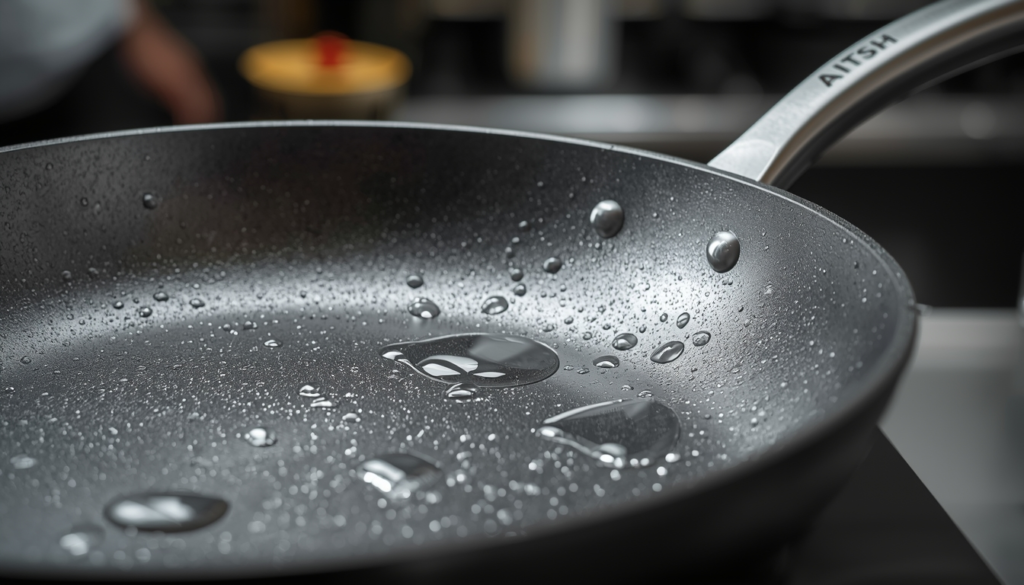
Titanium is the healthiest metal for cookware. Titanium is completely inert and does not react with food or leach metallic ions into your meals. According to the American Chemical Society (ACS), titanium’s stability is so high that it is the preferred material for surgical implants. The human body does not recognize it as a foreign threat.
In my experience, titanium pans are the only choice for “purist” cooking. Most metals have a distinct “taste” if you simmer water in them for a long time, but titanium remains flavor-neutral. This is because titanium forms a thin, invisible oxide layer. This layer prevents the underlying metal from interacting with acids or salts. If you want a deep dive into why this metal is taking over professional kitchens. Check out this complete guide to titanium kitchen materials.
I remember making fish broth in a titanium. It’s a local dish in my country believed to give you strength or make you feel better when sick. It’s made with simple ingredients, for a more natural flavour. As the broth finished cooking I tasted the difference instantly. All I tasted was a pure, rich fish broth with no metallic aftertaste. I was so accustom to cooking this dish in regular pans so the difference was very noticeable. This is great cookware to use for people with alergies or sensitive stomachs.
Is Titanium cookware safer than Stainless Steel?
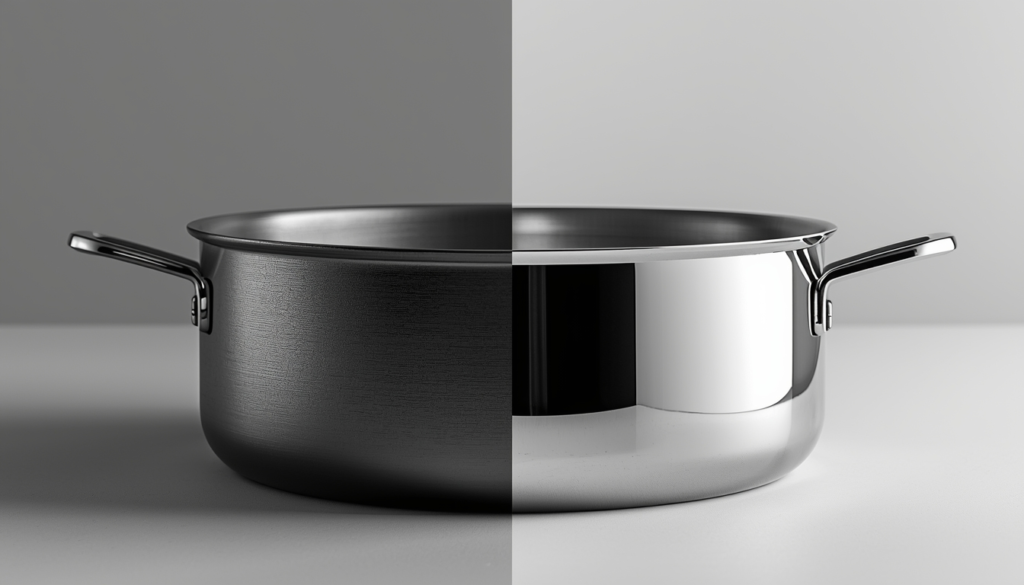
Yes, titanium is safer than stainless steel because it lacks the nickel and chromium. These two can leach from steel during high-heat or high-acid cooking. High-quality stainless steel is generally safe for the average person. Titanium offers a higher level of “biocompatibility” for those with extreme sensitivities.
According to a study published by the NCBI, the leaching of nickel and chromium from stainless steel is a documented reality. Especially during the first few cooking cycles of a new pan. Titanium does not have this “break-in” leaching period.
| Feature | Titanium | Stainless Steel (18/10) |
| Reactivity | Zero | Low to Moderate |
| Leaching Risks | None | Nickel & Chromium |
| Weight | Very Light | Heavy |
| Durability | Highest (Harder than steel) | High |
When comparing the two, you also have to consider the “titanium-strengthened” stainless steel options (316Ti). These are a hybrid, offering the heat distribution of steel with the added corrosion resistance of titanium. For a head-to-head comparison on performance, see my breakdown of Titanium vs. Ceramic cookware.
Is Stainless Steel healthy for everyone?
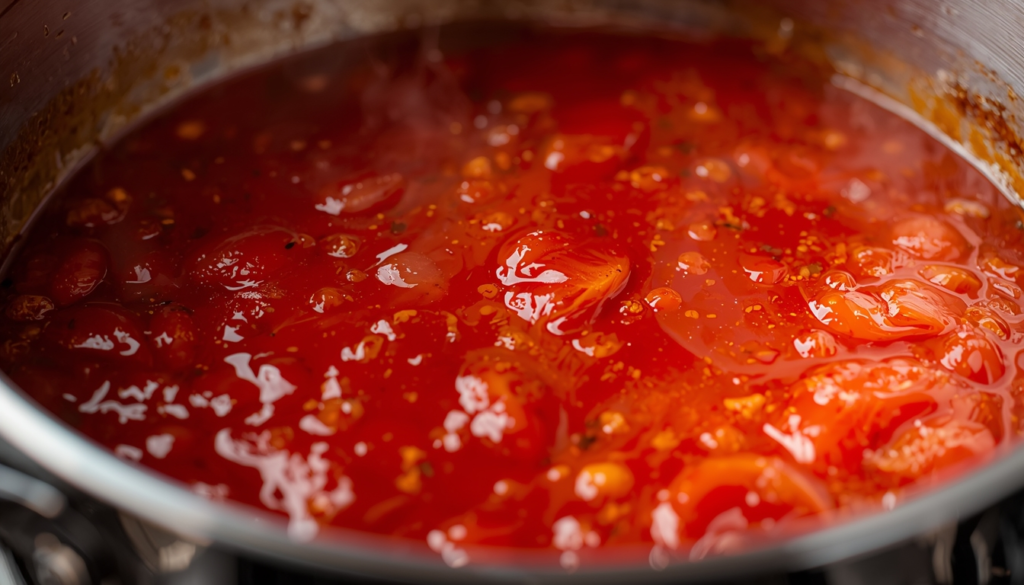
Stainless steel is safe for 90% of the population. But it can be problematic for individuals with systemic nickel allergies. Also those who often cook highly acidic ingredients like vinegar or citrus. The Cleveland Clinic notes that nickel is a common allergen. Repeated exposure to leached nickel from cookware can trigger dermatitis in sensitive individuals.
If you are concerned about leaching, you should look for nickel-free stainless steel (often labeled as 200-series or 18/0). Standard 18/10 stainless steel contains 10% nickel to provide that mirror-like shine and rust resistance. I recommend 316-grade steel for anyone who does a lot of long-simmering stews. The reason for this is the addition of molybdenum increases resistance to “pitting” from salts.
Learn more about nickel-free-cookware-best-options.
Does Cast Iron provide health benefits or risks?
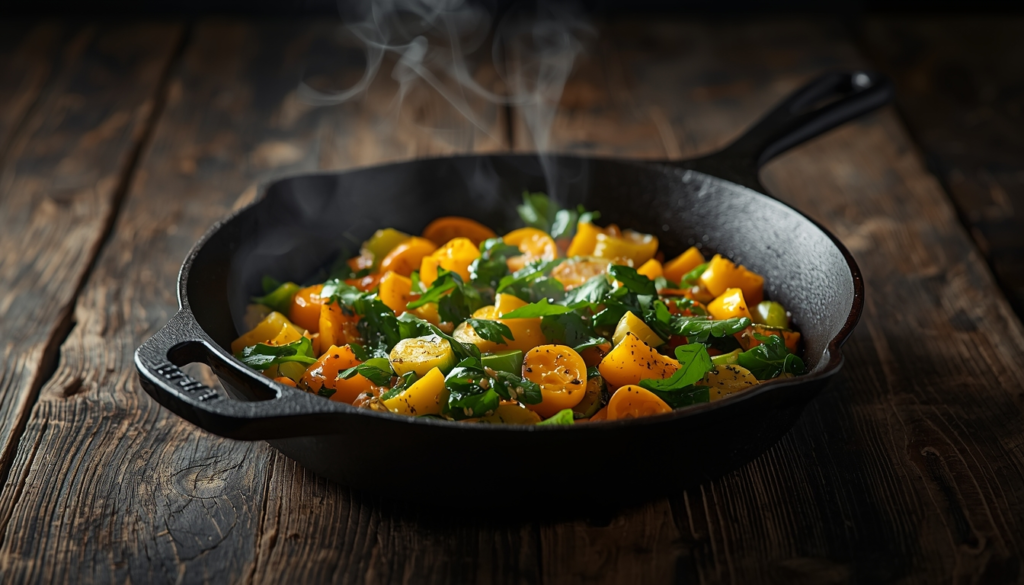
Cast iron provides a significant health benefit by naturally fortifying food with dietary iron. This can be a literal lifesaver for those with iron-deficiency anemia. According to research in the Journal of Food Science and Technology. Cooking acidic foods in cast iron can increase the iron content of the food by over 100% in some cases.
However, this “benefit” is a “risk” for men or post-menopausal women who may suffer from hemochromatosis (iron overload). In my opinion, cast iron is a “functional” cookware: it should be used strategically. It is incredible for searing meat, but I would never recommend it for a 4-hour marinara sauce.
Why Cast Iron is a “Tactical” Metal:
- Fortification: Great for growing kids and menstruating women.
- Heat Retention: Best-in-class for searing and baking.
- Reactivity: High. It will turn your light sauces grey and make your food taste “bloody” if cooked too long.
For more on how to manage this reactive metal, see the benefits of cooking with cast iron.
Is Aluminum cookware actually linked to Alzheimer’s?
Modern scientific consensus from The Lancet and the Alzheimer’s Society indicates this. There is no proven causal link between aluminum cookware and the development of Alzheimer’s disease. Early studies in the 1960s found aluminum traces in the brains of patients, but later research suggests this was a result of the disease, not a cause.
That said, raw aluminum is highly reactive. If you use an old, untreated aluminum pot, you will get a significant “metallic” dose in your food. This is why most modern aluminum is “anodized.” This electrochemical process creates a hard, non-reactive surface that “locks” the aluminum away from your food.
If your aluminum pan is scratched or the grey anodized layer is wearing off, it is time to recycle it. Raw aluminum leaching is still a concern for kidney health.
Is Copper cookware toxic to the liver?
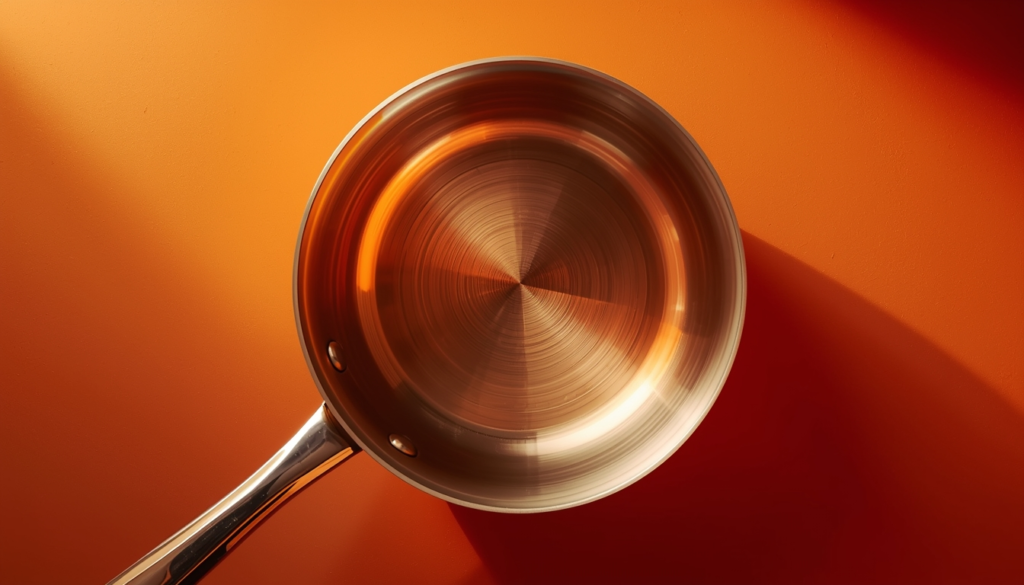
Copper is only toxic if the food comes into direct contact with the raw metal, which can lead to copper toxicity and liver damage over time. To prevent this, almost all copper cookware is “lined” with either tin or stainless steel. According to FDA guidelines, copper should not be used for food with a pH below 6.0 unless it is lined.
I love copper for its thermal conductivity, but it requires the most “health maintenance” of any metal. If the tin lining on your copper pan wears thin and the pink copper starts peeking through, you must have it re-tinned. This is a high-maintenance relationship that most home cooks aren’t ready for.
For more on copper cookware ceck out why-choose-copper-cookware
Is Ceramic-coated metal a healthy alternative?
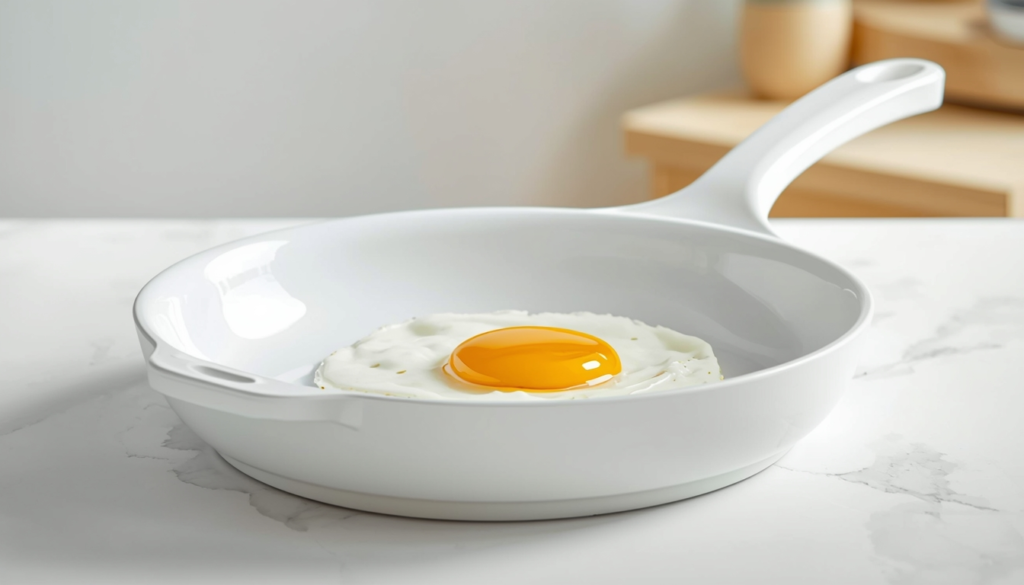
Ceramic-coated metal (sol-gel) is a very healthy, non-toxic alternative to traditional non-stick pans. Mainly because it is free from PTFE, PFOA, and lead. These coatings are made from sand-derived silica, which is chemically inert and does not “off-gas” at high temperatures.
The “catch” with ceramic is longevity. In my testing, the “non-stick” health benefit only lasts about 12 to 18 months before the surface develops micro-fissures. Once the coating fails, you lose the “healthy” benefit of cooking with less oil.
What are the dangers of PFOA and PFAS in metal cookware?
The primary danger isn’t the metal itself. It’s the “forever chemicals” (PFAS/PFOA) used in traditional non-stick coatings that can migrate into food if the pan is overheated. The Environmental Working Group (EWG) has found this. These chemicals can begin to break down and release toxic fumes at temperatures as low as 500°F (260°C).
If you are choosing a metal pan purely for health, the best thing you can do is avoid anything with a “traditional” dark non-stick coating. Stick to the “naked” metals like titanium or stainless steel.
Is Glass or Enameled Cast Iron healthier than raw metal?
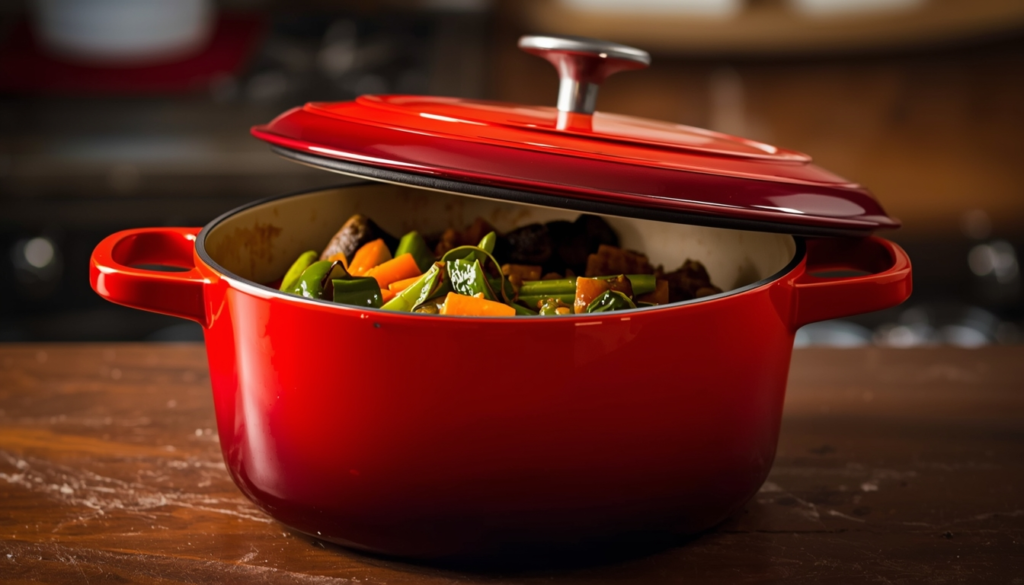
Glass and Enameled Cast Iron are the healthiest options for “zero-migration” cooking. This is because they are non-porous and completely non-reactive. Enameled cast iron (like Le Creuset) provides the heat benefits of iron without the metallic leaching, as the glass glaze acts as a total barrier.
In my kitchen, these are the “safe zones.” When I’m cooking a delicate bone broth for 24 hours, I use glass or enameled steel. There is zero risk of metal migration, regardless of how long the food sits on the heat.
Check out the best material-for-cookware.
How do you choose the healthiest cookware for your specific needs?
Choosing the “healthiest” metal is about matching the material to your biological needs and cooking style.
- For the Allergy-Prone: Go with Pure Titanium or Nickel-Free Stainless Steel.
- For the Anemic: Raw Cast Iron or Carbon Steel are functional tools.
- For the Daily Chef: 316Ti Stainless Steel provides the best balance of health and performance.
Here is a simple way to start getting your cookware to the level of safe. Go through your pots and pans. Get rid of those with peeling coating and deep pits. Damage to these pans can leech things from the metal or coating into your food. It may even cause illness in some people.
FAQ Section
Can I use scratched metal pans?
If it is a solid metal like stainless steel or titanium, a scratch is purely cosmetic. However, if it is a coated or lined pan (like non-stick or tinned copper). A scratch exposes the reactive core and the pan should be replaced or repaired immediately.
Does “nickel-free” stainless steel exist?
Yes, look for 18/0 stainless steel or Hestan ProBond series. These use 400-series steel on the surface to ensure no nickel migrates into your food. This feature makes it the safest choice for those with metal allergies.
Is carbon steel as healthy as cast iron?
Yes, carbon steel is essentially a lighter version of cast iron. It leaches dietary iron in a similar way and requires “seasoning” with oil to create a natural, non-toxic non-stick layer.
What is the safest way to clean metal cookware?
Avoid harsh abrasives on coated pans. For stainless steel and titanium, use a mixture of baking soda and vinegar. This will remove mineral deposits without resorting to toxic chemicals.
Conclusion
The “healthiest” cookware isn’t a marketing buzzword: it’s a matter of chemistry. Titanium stands alone as the most biocompatible metal, followed by 316Ti stainless steel and enameled cast iron.
Your next step: Take a look at your most-used frying pan. If it’s a scratched non-stick pan from five years ago, your first “health upgrade” isn’t a new supplement, it’s a new, inert cooking surface. Start by investing in one high-quality titanium or stainless steel skillet and build your collection from there.