
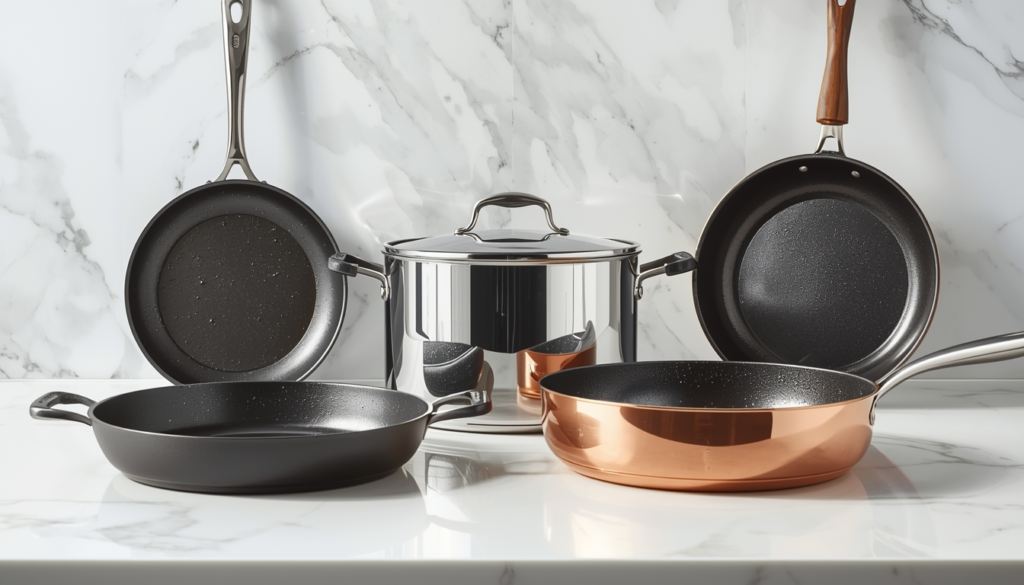
Keeping your kitchen tools pristine requires more than soap and water. For the best cleaning hacks for new cookware, you have found the right guide. Proper care prevents sticking, warping, and rusting, ensuring your pots and pans last for decades. Let me you how to clean your pans, to maintain a family-friendly kitchen.
I will show you through expert methods to maintain every type of pan in your kitchen. I look at seasoning cast iron to polishing copper. You will learn accurate cleaning tips to protect your culinary gear.
Key Takeaways
- Cookware materials require different cleaning methods
- Dishwashers can shorten cookware lifespan
- Abrasive tools cause long-term surface damage
- Proper cleaning improves cooking performance
- Maintenance habits matter more than harsh cleaners
Why Cookware Needs Different Cleaning Methods
Cookware is made from various metals and chemical coatings that react differently to water, heat, and detergents. Applying a “one-size-fits-all” cleaning method is the fastest way to ruin a premium pan. The physical properties of your popular cookware material. Learning this is the first step to longevity.
What happens if you clean cookware the wrong way?
If you scrub a nonstick pan with steel wool, you will strip the polytetrafluoroethylene (PTFE) coating immediately. Conversely, if you treat raw cast iron too gently, you might leave dangerous bacteria behind.
Do not use the wrong cleaning hacks for new cookware. This can lead to rusted iron, warped aluminum, or scratched stainless steel cookware.
How cookware materials react to heat, water and detergents
Metals expand when hot and contract when cold. This is known as thermal expansion. Plunging a hot pan into cold water causes thermal shock, which permanently warps the metal. Harsh cleaners with high pH levels can corrode aluminum cookware and strip the seasoning off carbon steel cookware.
Which cookware types are easiest vs. hardest to maintain?
Stainless steel cookware is generally the most durable and forgiving material. Nonstick cookware is easy to clean but fragile on scratches from used tools. Copper cookware and cast iron cookware need the most active maintenance. They demanding specific routines to prevent oxidation and rust.
How to Identify Your Cookware Material
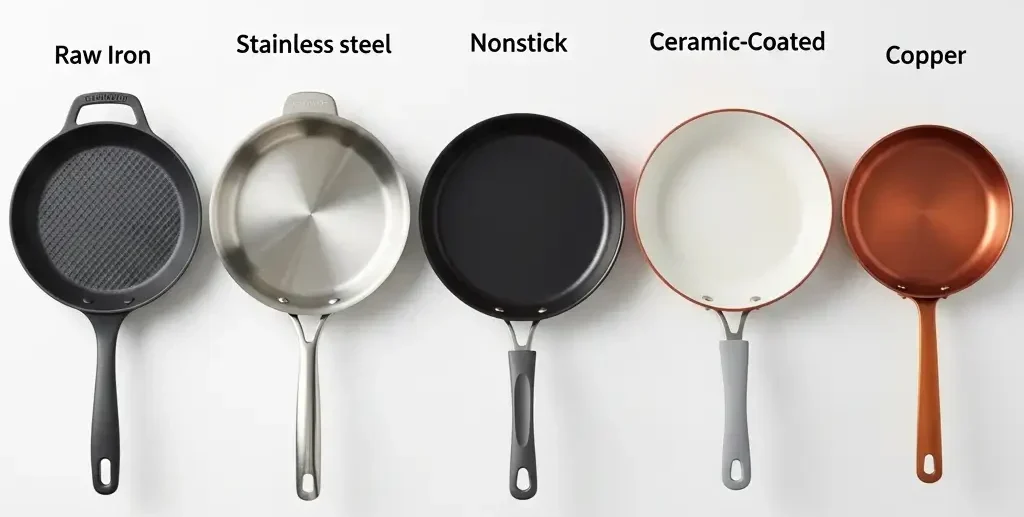
Before we apply any cleaning products, we must identify what we are holding. Many users ruin pans simply because they mistake aluminum for steel cookware. Knowing the specific properties of the material for cookware helps avoid chemical disasters.
How to tell stainless steel from aluminum
Perform a magnet test. Stainless steel often contains nickel and iron, making it magnetic if it is compatible with induction cooktops, and it feels heavy. Aluminum is non-magnetic, feels much lighter, and has a duller, softer gray finish compared to the shiny cookware made of steel.
How to recognize nonstick vs. ceramic coatings
Traditional nonstick (PTFE) usually has a dark, matte black or gray finish that feels slightly plastic-like. Ceramic cookware coatings (Sol-gel) are silica-based. They often come in bright colors or white, and feel harder and smoother, like glass.
How to identify enameled vs. bare cast iron
Bare cast iron is black, rough to the touch, and relies on oil seasoning for protection. Enameled cast iron (like a Le Creuset Dutch Oven) has a smooth, glossy glass coating fused to the metal. You never need to season enamel cookware.
Why some cookware combines many materials
Many high-end pans are clad or ply cookware. This means they have layers, such as a copper core sandwiched between stainless steel. You should always clean these pans based on the exterior surface material.
| Material | Magnetic? | Surface Feel | Cleaning Difficulty |
|---|---|---|---|
| Stainless Steel | Usually Yes | Smooth, Hard | Medium |
| Cast Iron | Yes | Rough/Textured | High |
| Aluminum | No | Lightweight/Soft | Low |
| Nonstick | No | Waxy/Smooth | Low |
Interactive Cookware Cleaning Guide
Choosing the Right Cleaning Method for Each Cookware Type
Knowing your material dictates your method. The goal is to remove food residue without altering the surface structure of the pan.
When Hand Washing Is Always The Better Option
Hand-washing is the gold standard for cleaning hacks for new cookware. It allows you to control the water temperature and scrubbing pressure. Dishwashers expose pans to high heat and abrasive chemicals that degrade surface coatings over time.
When soaking helps and when it causes damage
Soaking is great for dirty pots and enameled pots to loosen baked-on stains. But, never soak cast iron or carbon steel for long periods. Water causes oxidation (rust) on these reactive metals within minutes.
Why harsh detergents cause long-term wear
Many dishwasher detergents contain phosphates and bleach. These chemicals can pit aluminum and cause “etching” on glassware. Gentle dish soap is enough for 99% of kitchen cleanup.
How water temperature affects cookware surfaces
Always wash pans with hot soapy water. Hot water cuts through grease stains effectively. Using cold water on a greasy pan will cause the fats to solidify, making them smear rather than wash away.
How to Clean Cast Iron Cookware Without Ruining the Seasoning
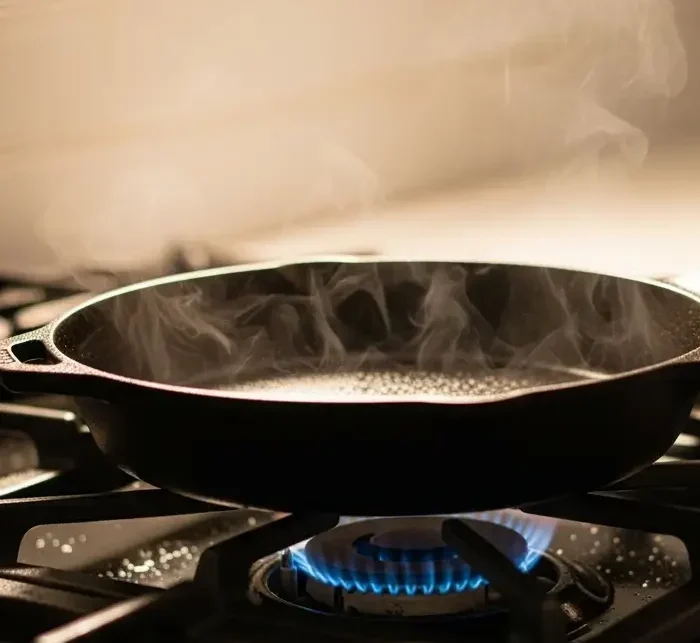
Cast iron is durable, but its nonstick surface, called seasoning (polymerized oil), is fragile. If you need a comprehensive routine, you should read our guide on how to clean and maintain cast iron cookware.
Can you use soap on cast iron?
Yes, you can. Modern soap does not contain lye, so it won’t strip polymerized oil. A small drop of soap to remove bacon grease is perfectly safe. Just don’t scrub it with a metal scouring pad.
What to do if food is stuck after cooking
Use coarse Kosher salt as a scrubber. Pour a tablespoon of salt into the warm pan and scrub with a paper towel. The salt acts as an abrasive to remove burnt food but dissolves before it can scratch the iron.
How to dry cast iron properly to prevent rust
Never let cast iron air dry. Towel dry it immediately, then place it on the stove on low heat. This evaporates residual moisture that towels miss, preventing iron oxide (rust) formation.
How often cast iron actually needs reseasoning
You don’t need to do a full oven reseasoning after every use. Apply a thin layer of neutral oil (like canola or grapeseed) after drying to maintain the hydrophobic layer.
Expert Tip: Avoid cooking highly acidic foods like tomatoes in raw cast iron for long periods. The acid can break down the seasoning and give your food a metallic taste. (Source: America’s Test Kitchen)
How to Clean Stainless Steel Cookware and Restore Its Shine
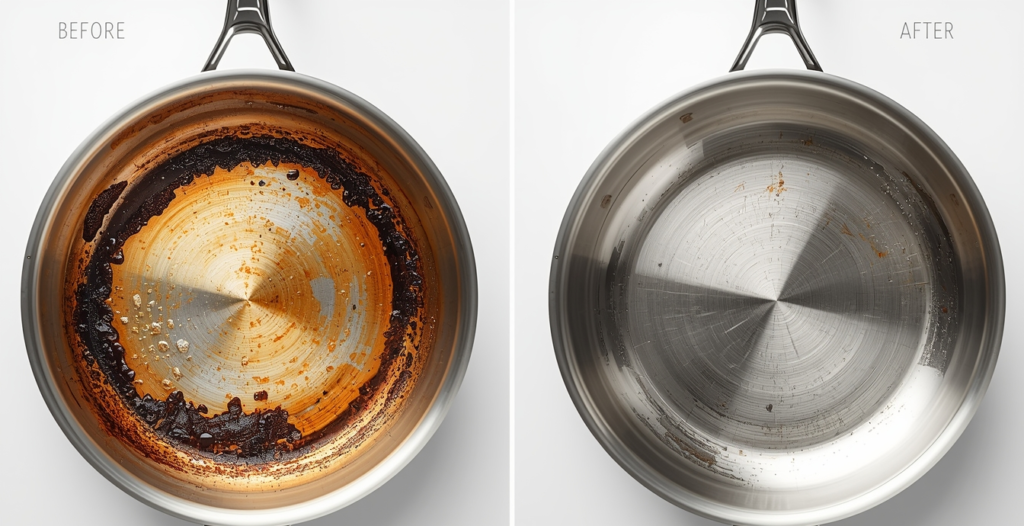
Stainless steel is the workhorse of the kitchen, but it is prone to heat tints and stuck-on food. For those looking to keep their pans looking brand new. Learn how to clean and polish stainless steel cookware is incredibly useful.
Why stainless steel pans stick in the first place
Stainless steel has microscopic pores. When heated on cooktops, these pores expand and grip onto food proteins. To prevent this, always preheat the pan before adding oil.
How to remove burnt-on food without scratching
Boil water in the pan with a little baking soda. This process, like deglazing, lifts burnt-on cooking residue. For tough spots, use a non-abrasive scrubbing pad.
What causes rainbow heat stains and how to remove them
That rainbow effect is a thin layer of oxidized chromium. It is harmless but unsightly. One of the best cleaning hacks for new cookware made of steel is washing it with diluted white vinegar. The acid neutralizes the oxidation instantly to reveal spotless cookware.
How to make stainless steel behave more like nonstick
Heat your pan properly. Use the “water droplet test.” If a drop of water glides across the surface like a mercury ball (the Leidenfrost effect), the pan is ready, and food won’t stick.
How to Clean Nonstick Cookware Without Wearing Out the Coating
Nonstick pans are chemically coated and have a limited lifespan. Proper care can double their life. If you are unsure about the specific nuances, check out our article on how to properly clean and maintain nonstick pans.
Why nonstick coatings fail prematurely
High heat is the enemy. Temperatures above 500°F (260°C) degrade PTFE bonds. Always use medium heat cooking with nonstick pans.
Are nonstick pans dishwasher safe?
Even if the box says “yes,” the answer is no. The dishwasher cycle uses high heat and abrasive detergent that will wear down the coating. This makes the pan sticky and useless within a year.
Which utensils and sponges damage nonstick coatings
Avoid metal utensils and green heavy-duty scouring pads. Use silicone tools and soft cellulose sponges or microfiber cloths.
How to tell when a nonstick pan should be replaced
If your surface is scratched, peeling, or food sticks despite using oil, the coating is compromised. For safety and performance, replace it.
How to Clean Ceramic Cookware and Prevent Staining
Ceramic pans use a sand-based silicone coating that is nonstick but brittle. Learning how to care for ceramic pans to prevent chipping is vital for these specific coatings.
Why ceramic cookware stains so easily
Ceramic coatings are slightly porous. Over time, micro-cracks form due to thermal expansion, trapping oils and food pigments.
How to remove discoloration without harsh chemicals
Sunlight and hydrogen peroxide are great cleaning hacks for new cookware with ceramic coatings. Soaking the pan in a 3% hydrogen peroxide solution can bleach out organic stains without damaging the silica surface.
What cleaners shorten ceramic coating life
Avoid bleach and citrus-based wash sprays. The acid in lemon can dull the glossy finish of ceramic glazes over time.
How to Clean Aluminum Cookware Safely
Aluminum is an excellent heat conductor but is highly reactive to its environment.
Difference between raw aluminum and anodized aluminum
Raw aluminum is silver and soft; it reacts with acids. Hard-anodized aluminum has been processed electrochemically. This was to create a hard, non-reactive dark gray surface that is much more durable.
Why aluminum darkens or turns chalky
This is due to oxidation. Washing aluminum in a dishwasher often results in a dark, smutty residue because of the alkaline cleaners.
How to clean aluminum without pitting the surface
Use a paste of Cream of Tartar and water. This scouring cleanser brightens the aluminum without eating into the metal like stronger acids would.
How to Clean Copper Cookware and Keep It Polished
Copper offers superior thermal conductivity but tarnishes rapidly due to atmospheric oxygen. If your pans are heavily oxidized, you might need to learn how to restore tarnished copper pans.
Why copper tarnishes so quickly
Copper reacts with moisture and oxygen in the air to form copper oxide (tarnish), turning it brown or green (patina).
Natural vs. commercial copper cleaners
You don’t need expensive polish. A classic kitchen chemistry hack uses a lemon half dipped in salt. The citric acid reacts with the tarnished area, and the salt acts as a mild abrasive to reveal shiny copper underneath.
Does tarnish affect cooking performance?
Heavy tarnish can insulate the pan slightly, reducing its responsiveness to heat changes. Keeping it polished ensures the most efficiency.
How to Clean Dutch Ovens and Enameled Cookware
Enameled cast iron is heavy and retains heat well, but the glass surface can chip.
How to remove stains from enameled interiors
Boil water with baking soda. For stubborn stains, leave a mixture of bleach and water (1:3 ratio) in the pot overnight (only for white interiors).
Why metal utensils damage enamel
Metal is harder than the enamel glass coating. Scraping with a metal spoon leaves gray “metal transfer” marks and can eventually chip the glass.
Can enameled cookware crack or chip during cleaning?
Yes. Dropping it or banging it against the sink can crack the enamel. Once cracked, moisture can reach the iron underneath, causing internal rust.
How to Clean Burnt Pan Bottoms and Exterior Stains
We often focus on the inside, but the bottom of the pan absorbs heat and needs to be clean.
Why pan bottoms burn even when food doesn’t
Oil drips down the side and carbonizes on the bottom directly against the flame. This polymerized grease is hard to remove.
Safe ways to remove carbon buildup
Make a paste of baking soda and hydrogen peroxide. Apply it to the bottom of the pan and let it sit for an hour. Scrub away with a stiff nylon brush.
Should you clean pan bottoms every time?
Yes. Built-up carbon acts as an insulator. This means your pan will take longer to heat up and may heat unevenly, especially on a glass-top stove.
Dishwasher Safety — What Cookware Can and Cannot Go In
The dishwasher is a convenient appliance, but it is a graveyard for high-quality cookware.
Cookware materials that should never go in the dishwasher
- Cast Iron: Rusts immediately.
- Copper: Tarnishes and pits.
- Nonstick: Coating degrades.
- Wood: Swells and cracks.
- Aluminum: Darkens and corrodes.
Cookware that is technically dishwasher safe (with trade-offs)
Stainless steel is technically safe, but dishwasher detergent can dull the shine and loosen the handles over time. Even high-end Whirlpool dishwashers can be too harsh for certain finishes.
Best Tools and Cleaners for Cookware Care
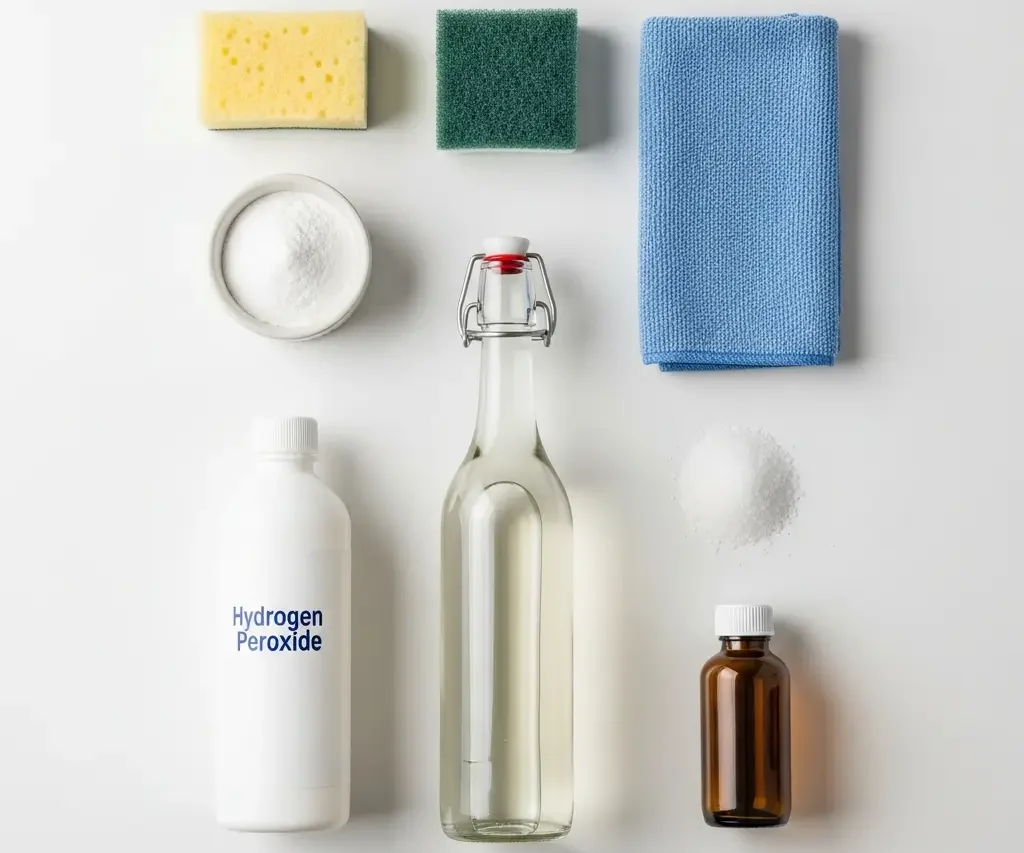
Using the right tool is half the battle when applying cleaning hacks for new cookware.
Which sponges are safe for each cookware type
- Cellulose Sponges: Safe for clean pots and pans.
- Melamine Foam (Eraser): Good for exterior stains, but too abrasive for nonstick interiors.
- Steel Wool: Only for uncoated stainless steel or restoring rusty cast iron.
Are natural cleaners like baking soda and vinegar safe?
Yes. Sodium bicarbonate (baking soda) is a gentle abrasive base and acetic acid (vinegar) dissolves mineral deposits. This vinegar combo is one of the safest cleaning products in your arsenal.
How Often Should You Clean and Deep Clean Cookware?
Daily cleaning vs. deep cleaning explained
- Daily: Wash with dish soap and warm water immediately after the pan cools.
- Deep Clean: Once a month, inspect for carbon buildup or discoloration. Use the specific methods mentioned above (like boiling baking soda) to restore the pan.
Signs cookware needs more than a quick wash
If your clean stainless steel has a yellow tint or your nonstick pan feels sticky, it is time for a deep cleaning. Proper cleaning prevents long-term damage.
Common Cookware Cleaning Mistakes That Ruin Pans
Avoiding mistakes is just as important as knowing the right methods. In fact, many people unknowingly shorten the life of their pans by falling for the top 10 cookware mistakes beginners make and how to avoid them.
Mixing cleaners that react with metals
Never use bleach on stainless steel. Chloride in bleach reacts with steel, causing pitting and corrosion.
Using high heat to “burn off” residue
This destroys the temper of the metal. You risk warping the pan or separating the cladding layers on your cooktops.
Storing cookware before it’s fully dry
Trapped moisture breeds bacteria and causes corrosion. Always ensure pans are bone-dry before stacking them. This is a vital part of kitchen organization tips.
How Proper Cleaning Extends Cookware Lifespan
Caring for your tools is part of the joy of cooking. By using these cleaning hacks for new cookware, you ensure that your pots and pans perform perfectly every time you turn on the stove.
How cleaning habits affect cooking performance
A clean pan conducts heat more efficiently. A smooth, residue-free surface prevents burnt-on food.
When it’s better to replace cookware than restore it
If a nonstick coating is flaking, an enamel pot is chipped inside, or a pan is severely warped, it is time to replace it. No amount of cleaning agent can fix structural damage.
Frequently Asked Questions
Can all cookware be cleaned the same way?
No. Each cookware material reacts differently to water, heat, detergents, and abrasives. Using the wrong method can cause warping, coating damage, or corrosion.
Is it safe to put cookware in the dishwasher?
Some cookware is dishwasher safe. But repeated cycles can dull finishes, weaken coatings, and shorten lifespan. Especially for nonstick, aluminum, and cast iron.
Why does stainless steel stick even when it’s clean?
Sticking is usually caused by incorrect heat control, not cleanliness. Preheating properly and using enough fat helps prevent food from bonding to the surface.
How often should cookware be deep cleaned?
Deep cleaning is only needed when buildup, staining, or performance issues appear. Daily gentle cleaning is usually enough.
When should cookware be replaced instead of cleaned?
If coatings are peeling, surfaces are deeply pitted, or heat distribution is compromised. Cleaning won’t restore performance and replacement is safer.
Conclusion
Cleaning cookware affects performance, safety, and longevity. Each material, from cast iron to nonstick, responds differently to heat, moisture, and cleaning products. Using the wrong method can quietly damage cookware long before problems are visible.
When you know what your cookware is made of. You can choose cleaning tools and techniques that match the material. This can prevent sticking, staining, rust, and coating failure. Gentle, consistent care almost always works better than aggressive scrubbing or harsh chemicals.
Knowing what not to do, example relying too heavily on dishwashers or abrasive cleaners. This can add years to your cookware’s life. With the right habits, your pots and pans won’t just stay clean; they’ll cook better, last longer, and save you money over time.
External Resaources
https://www.bosch-home.com/us/experience-bosch/tips-and-tricks/all-articles/how-to-clean-pots-pans
For more information on product safety and standards, you can visit the NSF International website.