
Key Takeaways:
- Nickel Content in Grades: Standard stainless steel (18/8 and 18/10) contains 8% to 10% nickel, which can leach into acidic food. Nickel-free options are labeled 18/0 or 21/0.
- Trade-Offs: Nickel-free pans are fully magnetic (ideal for induction), but they offer less rust and corrosion resistance.
- Buyer Checklist: Verify the specific product line (not just the brand) and check the interior food-contact surface, as many pans mix steel grades.
- Notable Brands: Top nickel-free options include Chantal Induction 21, Solidteknics nöni, and HomiChef.
Nickel-free stainless steel cookware is stainless made without nickel, and it’s usually sold as 18/0 or 21/0. Standard 18/8 and 18/10 stainless contains nickel, so a pan that says “stainless steel” doesn’t tell you enough. Nickel-free pans also give up some rust resistance. Below, you’ll see how the grades differ and what to check before you spend money. If you’re still comparing materials, start with our guide to the different types of cookware.
What Is Nickel-Free Stainless Steel Cookware?
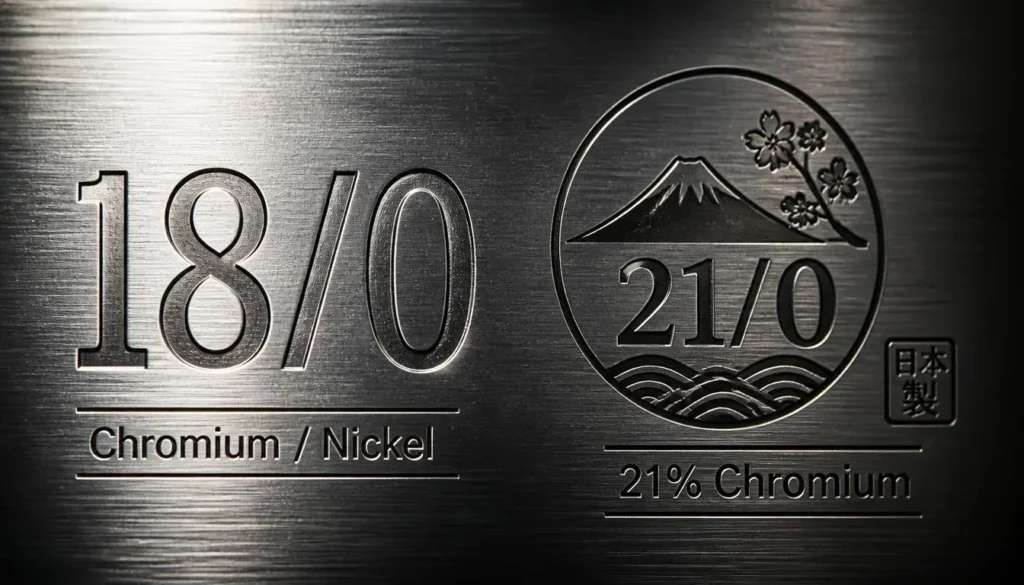
Nickel-free stainless steel cookware is made from stainless that has chromium but no nickel. The two types you’ll see are 18/0 (18% chromium, 0% nickel) and 21/0, a Japanese grade with 21% chromium and no nickel, according to The Rational Kitchen.
That means “100% stainless steel” does not mean “nickel free.” The common 18/8 and 18/10 grades hold about 8% and 10% nickel, as a metallurgist explains on finishing.com. Most clad stainless cookware sold today is one of those nickel-bearing grades.
This guide covers stainless only. For other materials, see the pros and cons in our stainless steel cookware guide.
What’s the Difference Between 18/0, 18/8 and 18/10 Stainless Steel?
The first number is the chromium percentage and the second is the nickel percentage. So 18/0 has no nickel, 18/8 has about 8%, and 18/10 has about 10%. More nickel means better rust resistance, but it also makes the steel non-magnetic.
| Grade | Chromium / nickel | Magnetic? | Rust resistance |
|---|---|---|---|
| 18/0 (400-series) | 18% / 0% | Yes | Lower, more prone to rusting |
| 21/0 (JYH21CT) | 21% / 0% | Yes | One tester put it near 304, or slightly worse |
| 18/8 (300-series) | 18% / about 8% | Usually no | Higher |
| 18/10 (300-series) | 18% / about 10% | Usually no | Highest of the four |
Is 18/10 better than 18/8? A bit. The finishing.com expert says 18/10 resists corrosion better and costs more, but a quality 18/8 pan is unlikely to disappoint you. The real gap is between the nickel-free grades and the nickel-bearing ones.
Does Stainless Steel Contain Nickel, and Is It Safe?
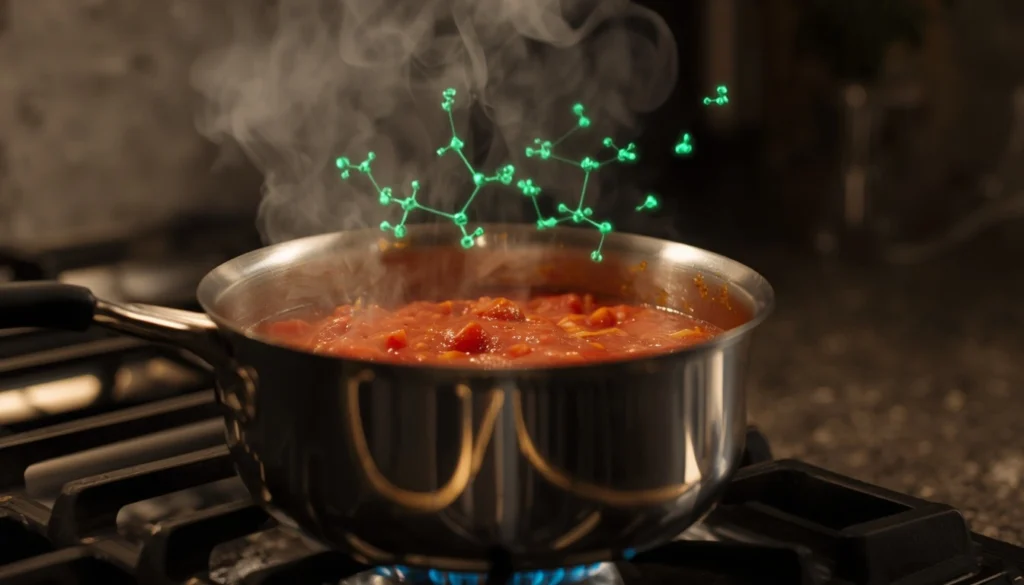
Most stainless steel cookware does contain nickel, and it releases small amounts into food. That matters most if you’re sensitive to nickel. Researchers at Oregon State University found that cooking tomato sauce in stainless steel raised its nickel level by up to 26 times after six hours, depending on the grade, in a 2013 study.
New pans leached the most. The amount dropped with repeated cooking and leveled off after about six cycles, though it never reached zero. By the tenth cycle, a serving of sauce averaged 88 micrograms of nickel. The authors link nickel to skin reactions like dermatitis in sensitive people.
Keep the limits in mind. This was a lab simulation with acidic sauce and cook times of 2 to 20 hours, so it shows the direction of the effect, not what a weeknight dinner does. It also tracked chromium, which every stainless steel contains. If you have a diagnosed nickel allergy, ask your doctor about cookware.
What Should You Check Before Buying Nickel-Free Cookware?
Check the grade, the exact product line, and the build before you look at price. A listing that says “nickel free” doesn’t tell you any of those.
- Get the grade in writing. Look for 18/0 or 21/0 on the maker’s page. The finishing.com expert makes a related point about 18/10: if the maker doesn’t claim it, don’t assume it. Watch for 200-series steel too. It’s nickel-free because it swaps in manganese, but it corrodes more easily, and makers often don’t say when they use it, per The Rational Kitchen.
- Check the line, not just the brand. Chantal’s Induction 21 and Stripes lines are nickel-free. Its 3.Clad line is 18/10, so it isn’t.
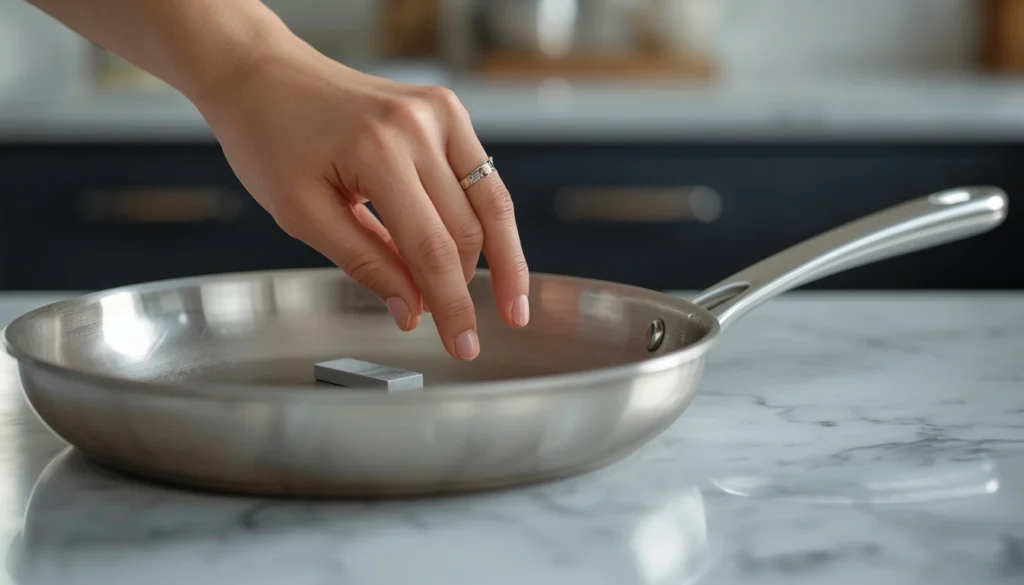
- Know what the magnet test proves. A magnet that sticks to the bottom of a pan means it works on induction, according to appliance experts. It doesn’t prove the pan is nickel-free. Many makers put magnetic steel on the outside and a nickel-bearing grade on the cooking surface. Ask which steel touches your food.
- Look at how it’s built. Some nickel-free pans are solid one-piece steel. Others use a disc or a multi-ply base with an aluminum core. The build affects how evenly the pan heats.
- Plan for care. Since 18/0 is more prone to rust, wash and dry it soon after cooking. Our cookware care guide covers the basics.
Does Nickel-Free Stainless Steel Work on Induction Cooktops?
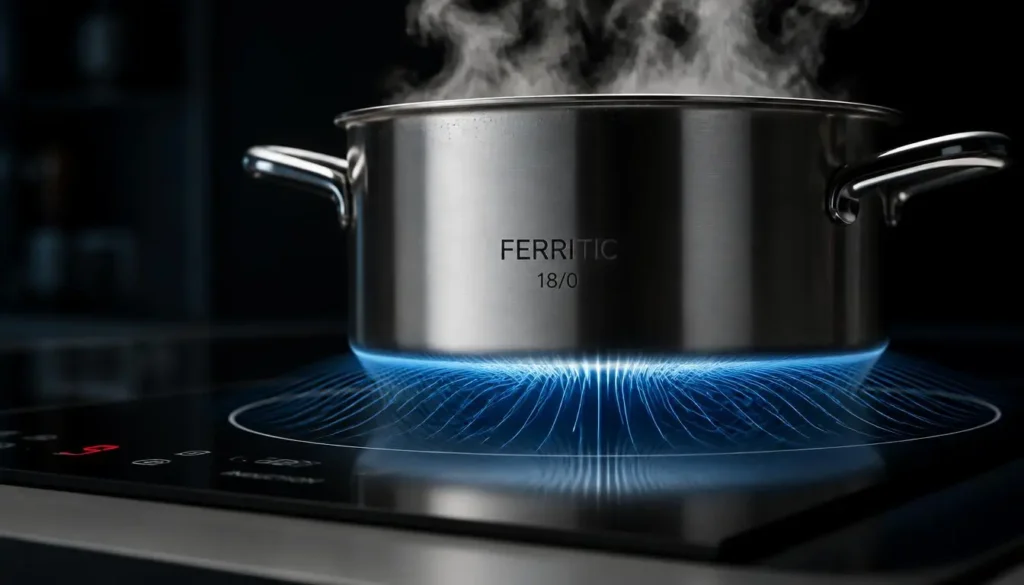
Yes. Nickel-free stainless is magnetic, and induction cooktops need magnetic cookware. Nickel pushes the other way. A consumer scientist at appliance maker BSH told Tom’s Guide that high nickel content blocks the magnetic field, and advised looking for ferritic stainless. Not sure about a pan you own? Try a magnet on the bottom. For troubleshooting, see our induction cooking guide and the common induction problems and fixes.
Is Nickel-Free Stainless Steel Less Resistant to Rust Than 18/10?
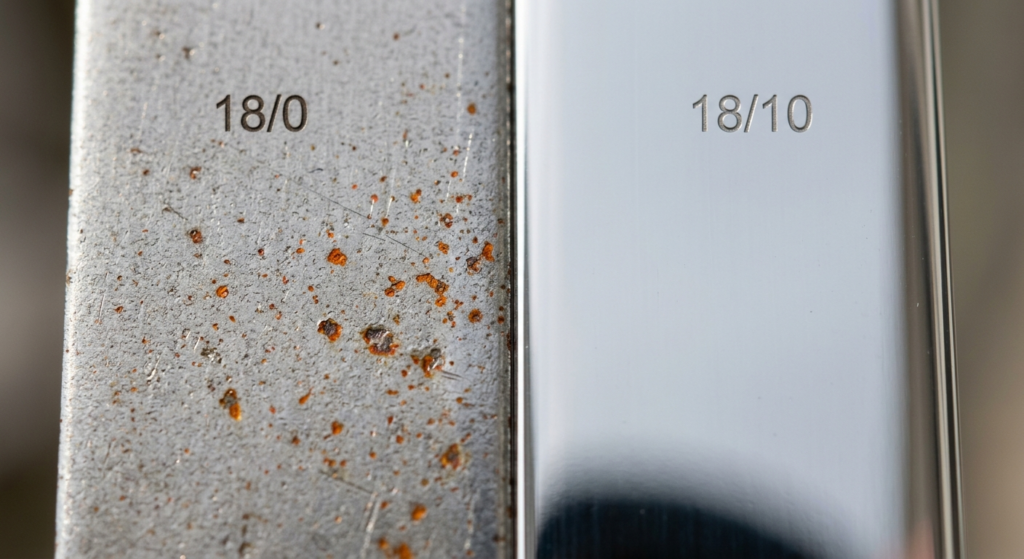
18/0 is more prone to rusting because it’s less corrosion resistant, but it isn’t necessarily unsatisfactory. The 21/0 grade is closer. It adds more chromium plus a little titanium and copper. But The Rational Kitchen’s reviewer found its corrosion resistance about the same as 304, or slightly worse.
In plain terms, you give up a little rust resistance to get nickel-free steel. If you want to compare against a different metal, see titanium vs. stainless steel for cookware.
Which Nickel-Free Cookware Brands Are Worth a Look?
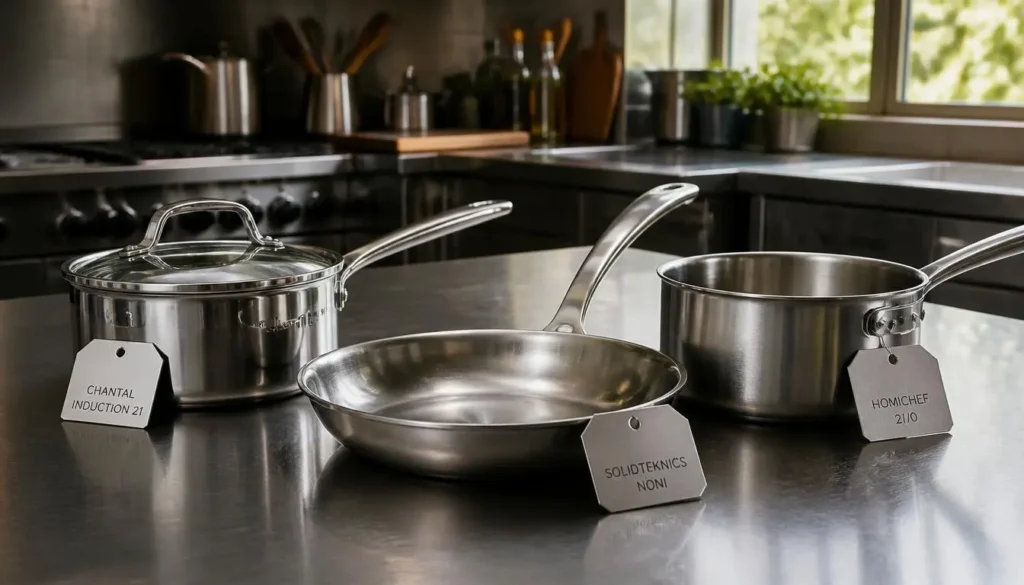
Three brands come up most often: Chantal, Solidteknics and HomiChef. We haven’t tested them, so here’s what each maker says and what independent testing found.
Chantal Induction 21. Chantal says the line is nickel-free Japanese steel with copper and titanium added. The Rational Kitchen tested it (review updated in 2023) and found it’s disc-clad, meaning an aluminum disc does most of the heat transfer. It’s made in China. The reviewer called it a good choice mainly for people with a nickel allergy.
Solidteknics nöni. The maker says nöni is solid one-piece ferritic steel with no nickel, no clad layers and no coatings. It says the pans are made in Sydney, Australia and work on induction.
HomiChef. A retailer listing that repeats HomiChef’s description says its 12-quart stockpot uses 21/0 steel for the body and inside. It also has 18/0 on the outer base and a 3-ply base with an aluminum core. We found no independent test of it either.
If you don’t need nickel-free, you may do better elsewhere. Rational Kitchen’s reviewer noted this. The cheaper disc-clad pans, and fully clad pans at a similar price, can heat better than Chantal’s Induction 21.
Is Nickel-Free Cookware Worth It for You?
It’s worth it if you’ve been told to avoid nickel, or if you simply want to cut it from your cooking. In that case, pick by exact line and build, using the checklist above. If you’re not sensitive to nickel, standard 18/10 gives you better rust resistance. Our stainless steel pros and cons guide shows what else to weigh.
Frequently Asked Questions
Is 100% stainless steel nickel free?
No. The common 18/8 and 18/10 grades contain about 8% and 10% nickel. Only nickel-free grades such as 18/0 and 21/0 leave it out.
Which stainless steel has no nickel?
The 400-series grades sold as 18/0, and a Japanese grade called 21/0 (JYH21CT). Check the maker’s page for the grade, because “nickel free” alone doesn’t say which one it is.
Does nickel-free stainless steel rust more easily?
It can. 18/0 is more prone to rusting than 18/8 or 18/10, and one tester rated 21/0 about the same as 304 or slightly worse. Washing and drying the pan soon after cooking helps.
Is 18/10 stainless steel safe?
Most clad stainless cookware is 300-series, such as 18/8 or 18/10, and it contains nickel. Research shows stainless steel can release nickel into food, especially acidic food cooked for a long time. If you’re sensitive to nickel, ask your doctor about cookware.
David Miller is a professional chef with 20+ years of experience cooking in hotels and restaurants. Read more of his cookware guides on MyKitchenHints.