
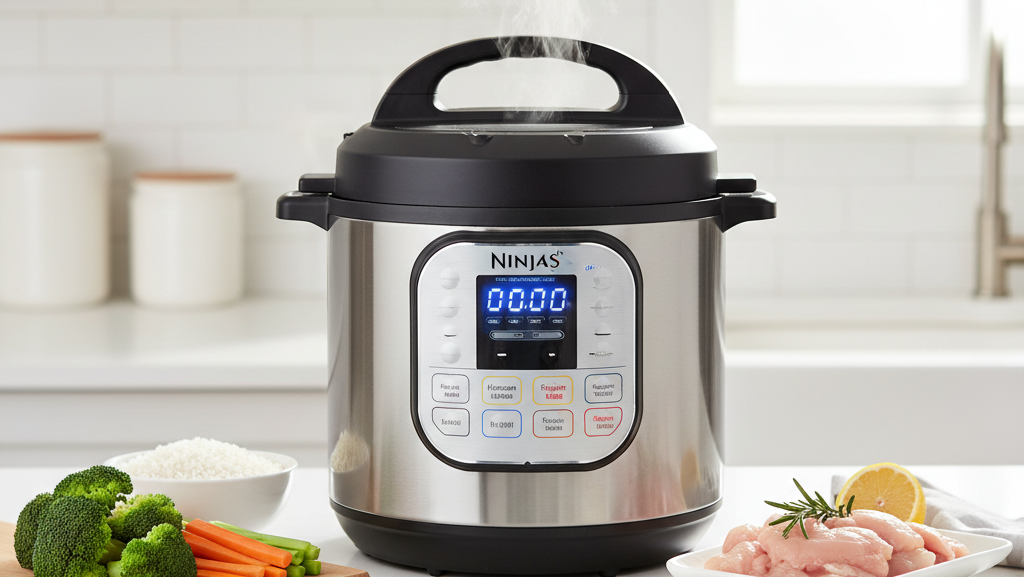
It seems like everyone is talking about these cookers. But, are multi-cookers worth it? It’s a fair question! These appliances promise to do a lot, from pressure cooking to slow cooking and even making yogurt.
I’ll help you understand everything about multi-cookers. Learn what they do, their good and bad points. You’ll also figure out if one is a good fit for you. This gujde will give you a clear idea if buying in a multi-cooker is the right choice for you.
Key Takeaways:
- Multi-cookers combine pressure cooking, slow cooking, steaming, and more in one appliance.
- They save time, space, and energy, ideal for busy families or small kitchens.
- Not all functions match dedicated appliances (e.g., air frying or searing).
- Learning curve exists, especially for pressure release and liquid amounts.
- Popular brands include Instant Pot, Ninja Foodi, and Crock-Pot.
What Is a Multi-Cooker?
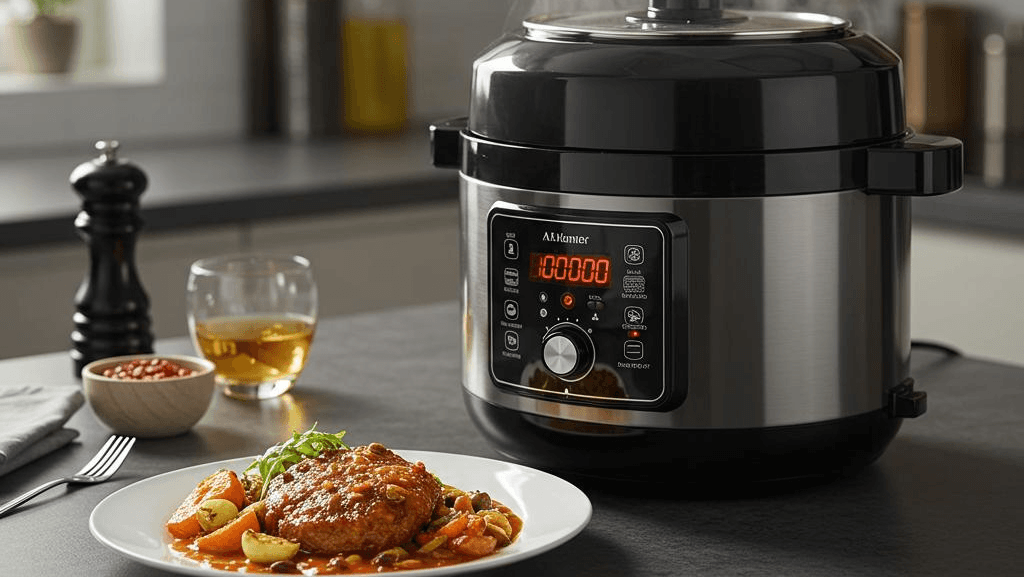
So, what is a multi-cooker exactly? A multi-cooker combines several different cooking appliances into one handy pot or cooking pot. Instead of having separate slow cookers, pressure cookers and rice cookers taking up space. A multi-cooker can do all those jobs and often more.
It’s designed to be a versatile tool that simplifies meal preparation, and many models function as an electric pressure cooker. Some advanced models might even challenge your trusty frying pans for certain tasks. This single cooker aims to be an all-in-one pressure cooker for many households.
For insights on different types of cookware, you might find resources like different types of cookware useful.
Most multi-cookers common functions:
- Pressure cooking: Cooks food super fast using steam pressure. Great for tough cuts of meat or cooking beans from scratch quickly.
- Slow cooking: Cooks food low and slow over several hours, perfect for stews and tender roasts, like dedicated slow-cookers.
- Sautéing: Allows you to brown meats or soften vegetables directly in the pot before pressure-cooking or slow cooking.
- Steaming: Gently cooks vegetables, fish, or dumplings using steam. A core feature of many multi-functional cooking appliances.
- Rice cooking: Makes perfect fluffy rice, often with settings for different types of rice, making it a great rice cooker multi-cooker.
- Yogurt making: Some models can incubate yogurt, giving you fresh, homemade yogurt.
- Air frying (on some models): Newer, more advanced multi-cookers might include an air frying lid or function to crisp up food. They can compete with dedicated air fryers.
Some of the most popular brands you’ll see are Instant Pot, Ninja Foodi, and Crock-Pot. These brands offer various models. For example a 12-in-1 multi cooker or even a 14-in-1 pressure multi-cooker, with different features and price points. You might even find a KitchenAid multi-cooker or similar quality brands.
Who are multi-cookers ideal for?
- Busy families: Getting dinner on the table quickly is a big plus.
- Meal preppers: Batch cooking ingredients like chicken, grains, or beans becomes much easier. Preparing vegetables for these meals can be made simpler with good tools, like those discussed in Nakiri knives for vegetables.
- Small-space cooks: If you have a tiny kitchen, an apartment, or even an RV, a multi-cooker saves a lot of counter and storage space.
- People new to cooking: Preset buttons for common dishes can make cooking less scary, helping them cook with confidence.
Is It Worth Buying a Multi-Cooker?
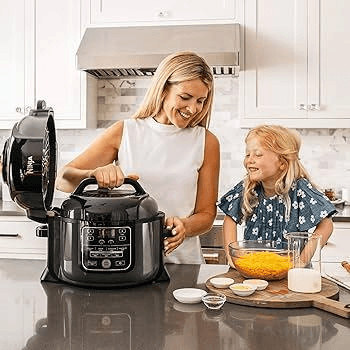
Now for the big question: Is it worth buying a multi-cooker? To answer this, let’s look at the benefits and drawbacks. It’s convenient and versatility, but it’s not worth it as the perfect solution for everyone.
Pros of Owning a Multi-Cooker
Saves counter space
This is a huge one. Instead of having a pressure cooker, slow cooker, rice cooker, and maybe even a yogurt maker, you have one device. This can free up a lot of valuable real estate in your kitchen, replacing many appliances or several appliances.
Time-saving with faster cooking
The pressure cooking function is a star here. A beef stew that might take hours on the stove or in a slow cooker (involving long cooking times) can be ready in under an hour. Dried beans can be cooked in 30-40 minutes without soaking overnight. This means a faster cooking time for many delicious dishes.
Fact: Pressure cooking can reduce cooking times by up to 70% compared to traditional methods.
Energy-efficient
Compared to using a large oven or many burners on a stove. A multi-cooker generally uses less energy, making it an energy-efficient multi-cooker. It’s a smaller, insulated pot, so it heats up faster and retains heat better. Many multi-cookers energy efficient designs are available.An average oven might use 2000-5000 watts, while a multi-cooker typically uses between 700-1200 watts.
Easy to use with preset programs
Many multi-cookers come with buttons for “soup,” “rice,” “poultry,” “beans/chili,” etc. This takes a lot of the guesswork out of everyday cooking, especially for beginners.
Great for meal prep and batch cooking
You can cook large quantities or large batches of staples. Staples include shredded chicken, quinoa, hard-boiled eggs, or lentils to use in meals throughout the week. This is ideal for batch-cooking.
Versatile for various recipes and cuisines
From Indian curries and Mexican carnitas to Italian risotto and simple steamed vegetables. A multi-cooker can handle a wide array of dishes and ingredients. You can find countless multi-cooker recipes online.
Cons of Owning a Multi-Cooker
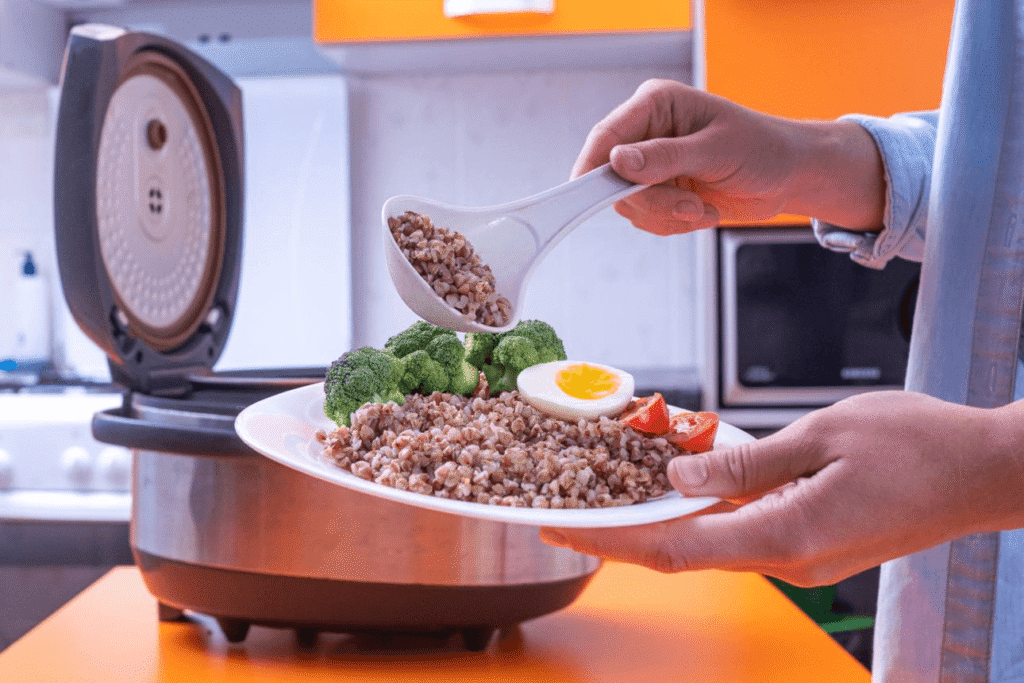
While multi-cookers are great, there are also some downsides to consider. What are the disadvantages of a multi-cooker?
Learning curve for new users
Even with preset buttons, understanding how pressure cooking works, how much liquid to use and how to safely release pressure. It can take some getting used to. Reading the manual and starting with simple recipes is key. Some users might initially overcook meat if they are not careful with timings.
Can be bulky and heavy
It does replace many appliances. But the multi-cooker itself can be quite large, especially 6-quart or 8-quart models like an eight-litre cooking pot. Finding storage space can still be a challenge for some, and they can be heavy to move around.
May not replace all kitchen appliances entirely
While it does a lot, it might not do everything perfectly. For example, it won’t bake a cake like an oven or sear a steak like a cast-iron frypan. Although some do a decent job of searing on their stovetop-like sauté function. Learning how to use a cheese knife is still relevant for your cheese board, for example.
Limited capacity for very large families (unless you buy a larger multi-cooker)
A standard 6-quart model is usually fine for a family of 4-5. But if you’re regularly cooking for more, or want lots of leftovers for potlucks, you might need an 8-quart or even 10-quart model, which are even bigger.
Some functions don’t perform as well as dedicated appliances:
Searing: Many multi-cookers have a sauté function. But the heating element might not get as intensely hot or have as even heat distribution as a good pan on the stovetop.
Air frying: If a multi-cooker has an air fry function, it might be good. But a dedicated air fryer often circulates air more effectively for crispier results, and might have a larger basket. This is a common point in air-fryer multi-cookers discussions.
Slow cooking: Some users report that the slow cook function or slow-cooker function on a multi-cooker doesn’t work exactly like their old-school Crock-Pot. It sometimes cooks hotter or faster. Checking slow cooker settings is important.
What Is the Point of a Multicooker?
So, with these pros and cons, you might ask, what is the point of a multicooker? The main point is convenience and efficiency through consolidation. This makes it a potential do-it-all multi-cooker.
Consolidation of multi cooking methods
The biggest draw is having one device that can pressure cook, slow cook, steam, sauté, and more. This simplifies your kitchen and your cooking process, expanding your cooking repertoire.
Convenience and efficiency in meal preparation
It makes getting a home-cooked meal on the table faster and with less active supervision. You can often set it and forget it (especially for slow cooking or pressure cooking once it’s sealed).
Encourages home cooking without needing a fully stocked kitchen
For someone starting out or who doesn’t want to invest in many different pots and pans or other kitchen appliances. A multi-cooker provides a lot of capability in one package. It makes it easier to try new recipes and cook from scratch. Even basic tools like a vegetable peeler have many uses and can complement your multi-cooker.
Perfect for apartment living or RVs: When space is at a premium, a multi-functional device is a lifesaver. It allows for varied cooking even in very small kitchens. This versatile kitchen hero can truly shine here.
Essentially, the point is to make your life in the kitchen easier, faster, and more versatile. Especially if you value saving space and time.
What Appliances Does a Multi-Cooker Replace?
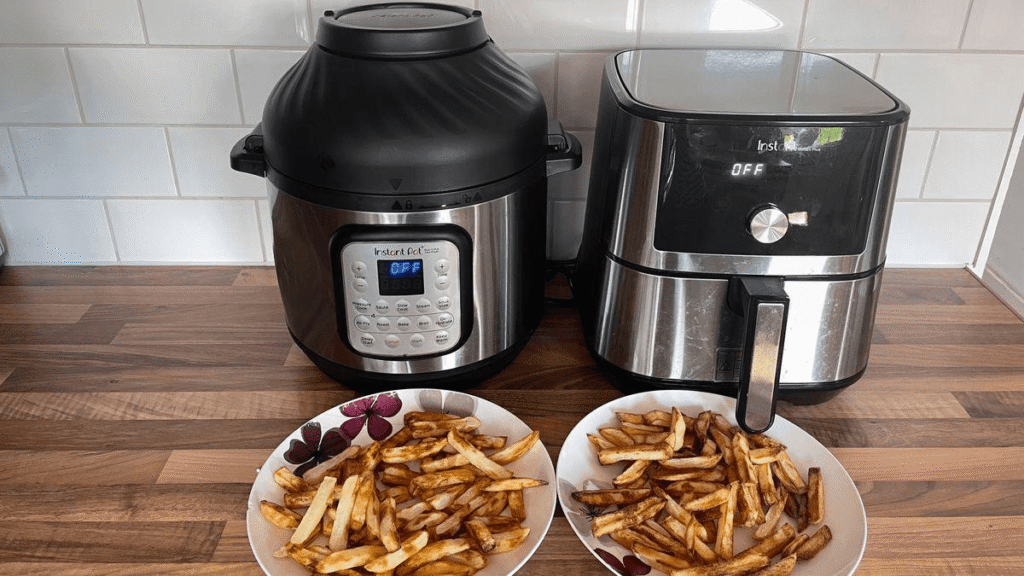
One of the biggest selling points is its ability to declutter your kitchen. So, what appliances does a multi-cooker replace? Here’s a list of common ones it might substitute, though performance can vary compared to specialized appliances:
Slow cooker:
Yes, most multi-cookers have a dedicated slow cook function. You might even find specific slow cooker recipes like slow cooker mince or slow cooker chicken are easily adaptable. Many slow cooker archives online offer inspiration.
Pressure cooker:
Absolutely, this is a core function of most multi-cookers. It differentiates them from traditional stove-top pressure cookers with added safety and presets. You can explore if pressure cookers are better than slow cookers for your needs.
Rice cooker:
Most models cook rice beautifully. Often with specific settings for white rice, brown rice, etc., rivaling a professional rice cooker.
Steamer:
With a steam rack accessory (usually included), it works well for steaming vegetables, fish, or dumplings. For steaming options, consider steamer pots: stainless steel vs. bamboo.
Yogurt maker:
Many models include a yogurt function for making homemade yogurt.
Sauté pan (to some extent):
The sauté function allows you to brown ingredients directly in the pot. Thereby reducing the need for a separate frypan or one of your saucepans for many one-pot meals. Comparing frying pans vs. saute pans can give context to this function.
Warmer:
Most multi-cookers have a “keep warm” function that automatically kicks in after cooking.
Air fryer (in select models like Ninja Foodi or Instant Pot models with an air fryer lid):
Some multi-cookers come with an extra lid and functionality to air fry, roast, bake, and broil. It offers a combination of features.
Other items it might reduce the need for include certain casserole dishes, electric frypans, or even bread makers if it has a bake function. You’ll still need your specialized tools like cake knives for baking though.
Important Note:
A multi-cooker can replace these appliances. But it’s important to manage expectations. It might not perform every single task as perfectly as a high-end dedicated appliance designed for that one specific job. It’s not a substitute for all frying pans, especially non-stick frying pans for delicate tasks.
For example, a top-tier rice cooker might offer more nuanced rice cooking options. Yet, for most everyday users, the performance is more than adequate. Plus the convenience of one device often outweighs these slight differences when compared to similar appliances. The question is whether it does the job well enough for your needs.
Can You Cook Anything in a Multi-Cooker?
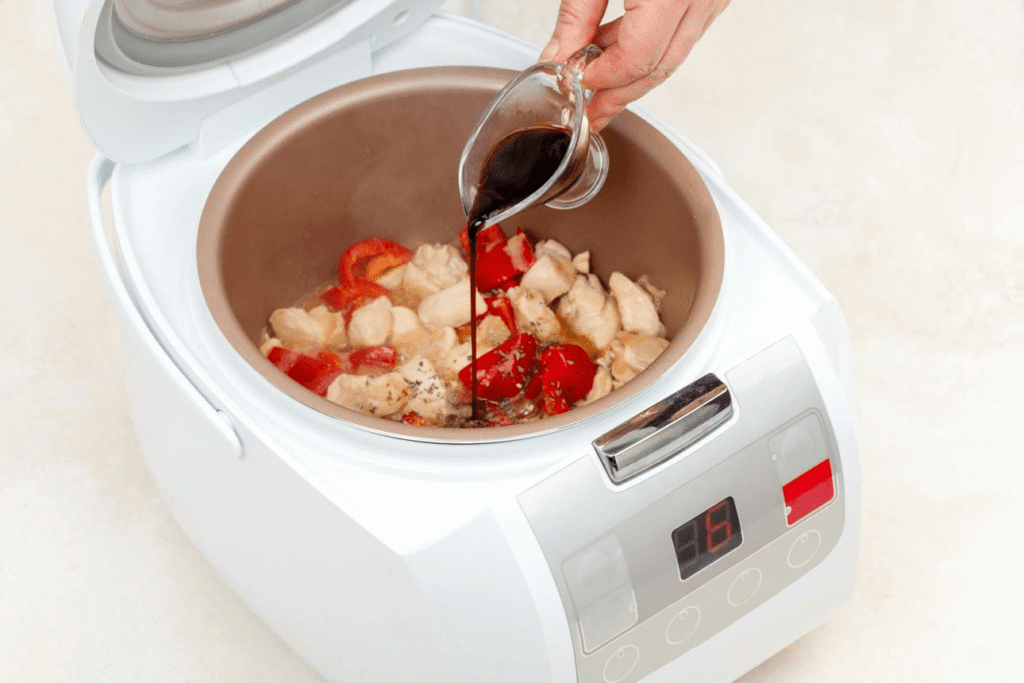
It’s a versatile machine, but can you cook anything in a multi-cooker? Not quite everything, but the list of what you can cook is impressively long.
What You Can Cook
- Multi-cookers excel at a wide variety of dishes and foods:
- Soups, stews, and chili: Perfect for these one-pot comfort foods. Pressure cooking deepens flavour quickly. Think of a hearty vegetable casserole recipe or a slow cooker curry.
- Rice, quinoa, oatmeal, and other grains: Many have preset buttons for perfect results.
Meats:
- Tough cuts: Beef chuck, pork shoulder, or lamb shanks become incredibly tender when pressure-cooked. The pressure cooker cuts cooking time dramatically. For preparing these cuts, a good carving knife is useful.
- Whole chicken: You can cook a whole chicken in about 30-40 minutes, perfect for slow cooker chicken style results but faster.
- Ribs: Fall-off-the-bone ribs are a popular multi-cooker recipe.
Vegetables:
Steamed, pressure-cooked, or included in stews. Root vegetables like potatoes and carrots cook very quickly under pressure. Try a pea pressure cooker recipe for speed.
Other Dishes:
- Desserts: Surprisingly, yes! Cheesecakes, puddings, custards, and even lava cakes can be made using the pressure cooking or steam function.
- Eggs: Hard-boiled or soft-boiled eggs are quick and easy to peel.
- Pasta: One-pot pasta dishes where the pasta cooks with the sauce are popular.
- Beans and Legumes from scratch: No need to soak beans overnight; they cook much faster under pressure.
- Cuisine specific dishes: Excellent for curries like a richly-infused chicken korma, or a slow cooker bolognese made faster. Many a delicious recipe awaits.
What’s Harder to Cook (or Best Avoided)
Some foods are trickier or not well-suited for a standard multi-cooker. Though some with convention-cooking technology or an more air-fryer function might handle them better:
- Delicate foods that need precise timing or gentle heat: Delicate fish might overcook easily under pressure. Some leafy greens can turn to mush if not added at the very end. A good fillet knife guide might be better for prepping delicate fish.
- Large roasts (unless you have a very large-capacity multi-cooker): A 5lb prime rib or a huge turkey won’t fit in a standard 6-quart multi-cooker.
- Truly crispy fried foods (unless it has a reliable air fry function): While you can sauté, you can’t do deep frying in a multi-cooker. Even with an air fry lid, the results for things like breaded chicken might be good, but perhaps not as “fried” tasting as deep-fried.
- Complex baking beyond pressure-safe desserts: It’s not an oven. You can’t bake cookies, traditional cakes, or bread that requires dry heat and browning in a standard multi-cooker. Uunless it’s a specific model with baking functions, often using an air fryer lid. This also applies to most cheese-topped dishes needing broiling.
- Creamy sauces with dairy added before pressure cooking: Milk or cream can curdle or scorch under high pressure. These are best stirred in after pressure cooking.
Air Fryer vs. Multi-Cooker: Which Is Better?
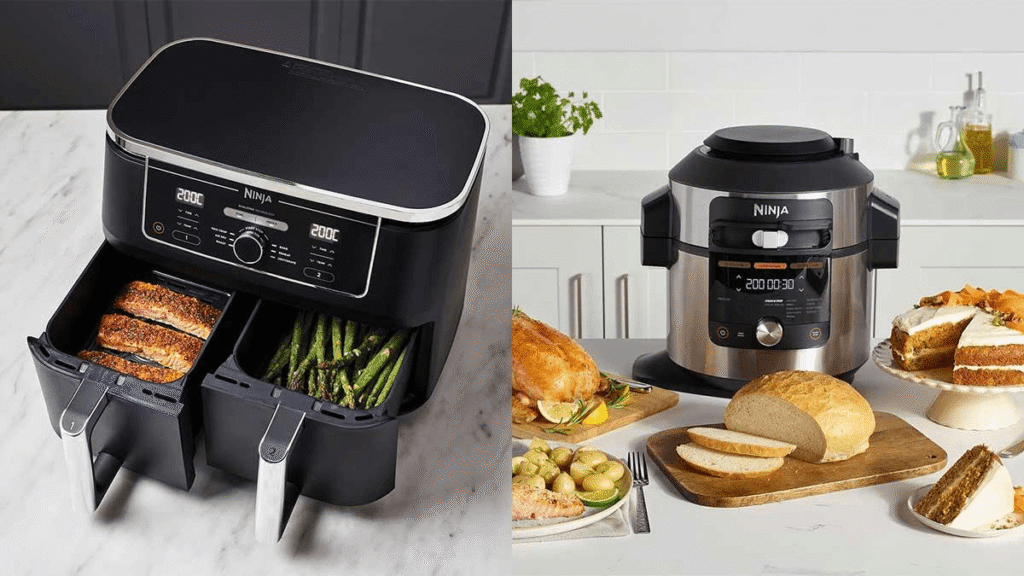
This is a common comparison, especially now that some multi-cookers include air frying. Which is better, an air fryer or a multi-cooker? The answer depends on what you cook most often and what you focus on.
When an Air Fryer Is Better
A dedicated air fryer (or one of the many standalone air-fryers on the market) typically shines for:
- Achieving truly crispy food results: This is what air fryers are famous for. Think French fries, chicken wings, mozzarella sticks, crispy chicken tenders, and roasted vegetables with a nice char. This is where dedicated fryers excel.
- Faster cooking than a conventional oven for smaller batches: Great for reheating pizza to crispy perfection or quickly cooking frozen snacks.
- Better browning and texture: There is powerful convection fan in a dedicated air fryer. It usually does a superior job at creating an all-over crispy, browned exterior using its air-fry capabilities.
- Simplicity for specific tasks: If all you want is to make things crispy, an air-fryer is straightforward.
When a Multi-Cooker Is Better
A multi-cooker (even without air frying) excels at:
- Cooking complete meals in one pot: Soups, stews, chili, pot roasts with vegetables – dishes that involve liquids and many ingredients.
- Tenderizing tough cuts of meat quickly: The pressure cooker function is unmatched for this, making pressure cooker cuts of meat delicious.
- Making rice, beans, yogurt, and other staples: These are core strengths.
- Simmering sauces or soups over time: The slow cook function is great for developing flavors in a sauce.
- Combining functions: If you have a multi-cooker with an air frying lid (like a Ninja Foodi or an Instant Pot Duo Crisp), you get the best of both worlds. You can pressure cook chicken to make it tender and juicy, then use the air fryer lid to crisp the skin.
Which Do You Really Need?
For crispy foods, reheating, and a healthier alternative to deep frying for snacks and sides. A dedicated air fryer might be your best bet. If your priority is cooking full meals, tenderizing meats, making soups, stews, rice, and beans, and saving time on these types of dishes. A multi-cooker is likely more useful for your cuisine.
If you want the versatility of both, consider a multi-cooker with an air frying function or air-fry options. This can be a great space-saving combination, though a dedicated air fryer might still have an edge in pure crisping power or capacity. Many households find value in having both. The choice is a standard multi-cooker and a separate air fryer if space and budget allow. They each excel in its primary functions.
How to Decide If a Multi-Cooker Is Right for You
Feeling a bit closer to a decision about whether a multi-cooker is worth it? To really know if a multi-cooker is worth it for you, consider your own cooking habits and kitchen setup. Ask These Questions.
Do you often cook meals that benefit from pressure cooking or slow cooking? (e.g., stews, roasts, beans, grains, one-pot meals).
If yes, a multi-cooker could be a game-changer for your everyday meals.
Do I have limited kitchen counter or storage space?
If yes, the multi-functionality can be a huge space-saver on your counter.
Am I looking to save time during meal prep and cooking?
The speed of pressure cooking can significantly cut down cooking time.
Do I want to reduce the number of appliances I own?
If decluttering is a goal, a multi-cooker is a great candidate. Check out kitchen appliances deals to see if a multi-cooker is a good buy for consolidation.
Do I enjoy experimenting with different cooking styles and recipes?
A multi-cooker opens up a world of new recipes and techniques.
What is my budget?
Multi-cookers range in price, so consider how much you’re willing to spend.
How many people do I usually cook for?
This will help determine the size (e.g., 3-quart, 6-quart, 8-quart litre pot) you might need. A 6-quart is often the most popular for families of 2-4. Answer these questions honestly. They will give you a clearer picture of whether a multi-cooker would be a valuable addition to your kitchen or just another gadget that collects dust.
Tips for Getting the Most Out of Your Multi-Cooker
If you decide to get a multi-cooker, or already have one, here are some tips to make the most of it and its various cook modes:
- Read the manual thoroughly: Yes, it’s boring, but each multi-cooker model can have slightly different features, buttons and safety instructions. Understand your specific model, including any digital cooking probe or unique ‘rapid-cook’ features.
- Start with simple, tested multi-cooker recipes: Don’t try to convert a complex oven recipe on your first go. Look for recipes specifically designed for multi-cookers. Websites like Allrecipes or dedicated Instant Pot blogs are great resources for good food ideas.
- Understand liquid requirements for pressure cooking: Too little liquid can prevent the pot from coming to pressure or scorch food. Too much can make dishes watery. Most recipes call for at least 1 cup of liquid. Getting liquid quantities right is key.
Use the right accessories:
- Trivet/Steam Rack: Essential for steaming or keeping food out of liquid (like for cheesecake). Many racks are included.
- Steamer Baskets: Great for veggies; some steam-meal options rely on these.
- Silicone Lid: Useful for storing the inner pot in the fridge.
- Extra Sealing Rings: Silicone rings can absorb odors. It’s handy to have one for savory dishes and one for sweet dishes to maintain flavour integrity.
Grill racks might be included with models that have air-fry/hob setting capabilities.
- Clean regularly and thoroughly: Food debris can build up, especially around the sealing ring and lid. Clean the inner pot (many have dishwasher-safe inner bowls), lid, and sealing ring after every use.
- Don’t overfill the pot: Pay attention to the max fill lines for pressure cooking. They’re usually 1/2 full for foods that expand like beans/grains, and 2/3 full for other foods. Overfilling can be dangerous and affect cooking progress meant to be smooth. Knowing your fill lines is important for cooking batches or large batches.
Learn the difference between Natural Pressure Release (NPR) and Quick Release (QR):
NPR: Letting the pressure drop on its own. Good for meats and foamy foods to prevent splattering.
QR: Manually releasing the pressure via the valve. Good for foods you don’t want to overcook, like vegetables or pasta. Your kitchen timer can be handy here.
Track cooking progress if your model has an indicator.
Top 5 Multi-Cooker Models Worth Considering
If you’re ready to shop, the choices can be overwhelming. Here are a few highly-regarded multi-cookers from well-known brands that are often recommended. Features and availability can vary, sometimes specific 9-in-1 multi-cooker offer deals or a multi-cooker update can change options. Many of these are products favored by consumers.
Instant Pot Duo Nova (or similar Instant Pot Duo models):
Features: One of the most popular and user-friendly models. Often a 7-in-1 functions multi-cookers boast (pressure cooker, slow cooker, rice cooker, steamer, sauté, yogurt maker, warmer). Easy-to-use lid with smart steam release. This is often a favourite multi-cooker for many.
Best for: Beginners, general everyday use, great value. A full Instant Pot experience.
Ninja Foodi 9-in-1 (or similar models like the 11-in-1, or even the Foodi PossibleCooker for specific needs):
Features: Known for its “TenderCrisp” technology, combining pressure cooking with an air frying/crisping lid. Functions often include pressure cook, steam, slow cook, sear/sauté, air crisp, bake/roast, broil, dehydrate, and yogurt. A true example of air-fryer multi-cookers.
Best for: Those who want an all-in-one that includes reliable air frying functions.
Crock-Pot Express Crock Multi-Cooker:
Features: A strong competitor to Instant Pot, often at a slightly lower price point. Offers similar functions: pressure cook, slow cook, brown/sauté, steam. Known for ease of use. The Crock-Pot brand is a staple.
Best for: Budget-conscious buyers looking for core multi-cooker functions.
Breville Fast Slow Pro:
Features: A higher-end model with more precise temperature and pressure controls. Automatically adjusts time, temperature, and pressure between fast and slow cooking. Interactive LCD screen.
Best for: Serious cooks who want more control and customization.
Mealthy MultiPot 2.0 (or similar like a Cosori pressure cooker or an Aldi pressure cooker if available):
Often seen as a direct Instant Pot alternative. It comes with extra accessories like a steamer basket, silicone mitts, and an extra gasket. Bright LCD screen with cooking progress indicator. Check for any specific multi-cooker deals on these. The Tefal Turbo Cuisine (like the Turbo Cuisine Multi) is another example of a stylish multi-cooker with rapid cooker features. Some models might offer a unique ‘rapid-cook’ experience. You might find a cuisine multi-cooker review helpful.
Quick Model Comparison Snapshot (Note: Always check the exact multi-cooker specs before buying, including if it’s a 9-in-1 multi-cooker opuk (UK/regional) model or offers combi steam air-fry or other convection cooking modes).
| Feature | Instant Pot Duo Nova | Ninja Foodi 9-in-1+ | Crock-Pot Express | Breville Fast Slow Pro | Mealthy MultiPot 2.0 (or similar like rapid cooker review items) |
|---|---|---|---|---|---|
| Air Frying | No (unless Crisp model) | Yes | No | No | No |
| Primary Focus | All-around value | Pressure + Crisp | Budget-friendly | Precision cooking | Value + Accessories |
| Ease of Use | Very High | High | Very High | Moderate (more advanced) | High |
| Price Range | Mid | Mid-High | Low-Mid | High | Mid |
Note: Specific models and features change, so always check current offerings before purchasing. A choice kitchen expert or detailed reviews can guide you to certain multi-cookers that fit your needs.
Budget vs. High-End Multi-Cookers: What’s the Difference?
Multi-cookers can range in price from under $100 to over $300. What do you get for more money when looking at multi-cooker deals?
Entry-Level (Budget-Friendly) Budget vs. High-End Multi-Cookers
- Functions: Usually cover the basic 6-in-1 or 7-in-1 functions (pressure cook, slow cook, rice, steam, sauté, warm).
- Presets: Fewer preset cooking programs.
- Controls: Simpler button controls, basic display.
- Build Quality/Durability: May use thinner materials for the pot or less robust components. Shorter warranty periods.
- Good for: Those on a tight budget or who want to try out multi-cooking without a big investment. These can still offer good value.
Mid-Range Multi-Cookers
- Functions: Often 7-in-1 to 9-in-1, may include yogurt or sterilize functions. Better quality inner pots (e.g., stainless steel). Many cookware options are made from stainless steel, see pros and cons.
- Presets: More many and refined preset programs.
- Controls: Clearer displays, more intuitive controls, sometimes an LCD screen.
- Build Quality/Durability: Generally good build quality, reliable performance. Standard warranties.
- Good for: This is the sweet spot for most users, offering the best balance of features, performance, and price. Brands like Instant Pot and Crock-Pot Express are strong here.
High-End Multi-Cookers
- Functions: Can be 9-in-1, 11-in-1, or more, often including specialized functions like sous vide cooking, air frying, dehydrating, or even smart connectivity (Wi-Fi).
- Presets & Customization: Extensive presets and more options for manual control over temperature, pressure levels, and time.
- Controls: Advanced LCD screens, guided cooking instructions, sometimes app integration.
- Build Quality/Durability: Premium materials, more robust construction, often longer warranties. May have more sophisticated pressure release mechanisms. Not necessarily expensive appliances without reason. For insights on high-end cookware, check luxury high-end cookware.
- Good for: Cooking enthusiasts who want the latest technology, greatest versatility, precise control, or specific advanced features like air frying integrated. Brands like Ninja Foodi (with air frying) and Breville fit here.
Ultimately, the “best” one depends on your needs and budget. You don’t always need the most expensive model to get great results for your meals.
Real-Life User Experiences: Reviews and Testimonials
Hearing from actual users and consumers can be very insightful. Here’s a summary of common themes from online reviews, forums, and blogs:
What people like about Multi-Cookers:
- Time-Saving: This is almost universally praised. Users love how quickly they can cook meals that would normally take hours, especially meats, beans, and stews.
- Quote example (general sentiment): “I can make fall-apart pulled pork in an hour instead of 8 hours in the slow cooker! It’s a weeknight dinner game-changer for cooking juicy meat.”
- Convenience: “Set it and forget it” (once at pressure) is a big plus. One-pot cooking means fewer dishes to wash. Making Speedi Meals becomes possible.
- Versatility: People enjoy being able to sauté, pressure cook, and sometimes slow cook all in the same pot.
- Perfect Rice and Grains: Many users say they’ll never cook rice on the stove again thanks to the rice cooking function.
- Tender Meats: The ability to make tough, cheap cuts of meat incredibly tender is a frequent highlight, creating amazing tender meat dishes. They love making slow-cooked braises faster.
Common Complaints or Challenges:
- Learning Curve: As mentioned, new users sometimes feel intimidated by the different functions, buttons, and the pressure release process. It takes a few tries to get comfortable.
- Quote example (general sentiment): “It took me a while to understand all the settings and not be scared of the steam release, but now I love it. Simple thanks to online guides!”
- Size/Bulkiness: Storing a 6-quart or 8-quart appliance (a family-sized cooking pot) can be an issue in smaller kitchens.
- Sauté Function Limitations: Some find the sauté function isn’t as powerful or even as a stovetop pan, leading to less browning.
- Sealing Ring Odors: The silicone sealing ring can absorb strong smells (like curries or chili). They can transfer to other foods if not cleaned well or if a separate ring isn’t used for different types of dishes.
- “Burn” Message: Occasionally, users get a “burn” or “food burn” error, often due to insufficient liquid, food scorching at the bottom, or starchy sauces thickening too much. This usually has a learning curve to avoid.
Most users who take the time to learn their multi-cooker find it to be an invaluable kitchen tool. The positive experiences tend to far outweigh the negatives for those whose cooking styles align with what a multi-cooker does best.
Maintenance and Cleaning Tips
Keeping your multi-cooker clean is important for its performance and longevity. Many inner bowls are dishwasher-safe. For general cookware care and maintenance tips, this link might be useful.
Inner Pot, Lid, and Sealing Ring: These are the main parts to clean after every use.
The stainless steel inner pot is usually dishwasher safe.
The lid should be hand-washed. Pay attention to the sealing ring. It’s the anti-block shield (under the pressure release valve), and the pressure release valve itself. Many parts are removable for easier cleaning.
The silicone sealing ring is also often dishwasher-safe (top rack), or can be soaked in vinegar water or baked at a low temperature to help remove odors.
Wipe Down Exterior:
Wipe the outside of the cooker and the inner housing (where the pot sits) with a damp cloth. Make sure the heating element at the bottom is free of debris.
Deep Clean Monthly: Perform a more thorough clean occasionally:
- Soaking the sealing ring.
- Cleaning the condensation collector.
- Checking and cleaning the pressure release valve and float valve pathways to ensure they are clear.
- Some people do a “steam clean” by pressure cooking water with some vinegar or lemon peels.
Check Seals and Vents Regularly:
Inspect the sealing ring for any cracks, tears, or if it becomes too loose. Replace it every 12-18 months or as needed. Ensure vents are not clogged.
Storage:
Store with the lid upside down on top of the pot, or slightly ajar, to allow air circulation and prevent odors from being trapped.
Consider recyclable packaging when purchasing, and dispose of old parts or the unit itself responsibly. Note if any parts are made from non-recyclable packaging materials. If you’re interested in eco-friendly options, you might like to read about eco-friendly non-toxic cookware.
Proper maintenance will ensure your multi-cooker works safely and effectively for years to come.
FAQ Section
Here are some frequently asked questions about multi-cookers:
Are multi-cookers safe to use?
Yes, modern multi-cookers are designed with many safety features. Often more than traditional stove-top pressure cookers. These often include locking lids that prevent opening under pressure, pressure regulation systems, backup pressure release mechanisms and temperature controls. It’s important to read the manual and follow all safety instructions for your specific model.
How long do multi-cookers last?
On average, a good quality multi-cooker can last anywhere from 3 to 5 years, with some lasting even longer (5-10 years) with proper care and maintenance. The lifespan can depend on the brand, build quality, and how frequently it’s used. Parts like the sealing ring may need replacement sooner.
Can I use my own recipes in a multi-cooker?
Yes, you can adapt many of your favorite recipes for a multi-cooker. However, you’ll likely need to make adjustments, especially for pressure cooking. This usually involves:
Reducing liquid, as there’s less evaporation. Adjusting cooking time (often significantly shorter for pressure cooking). * Considering the order of ingredients. It’s best to start by looking up similar multi-cooker recipes to get a feel for conversions.
Do multi-cookers use a lot of electricity?
No, generally multi-cookers are quite energy-efficient. Especially when compared to using a conventional oven or stovetop for long cooking tasks. They heat a smaller, enclosed space and pressure cooking reduces cooking time. This leads to lower energy consumption for many meals.
Are there any foods you shouldn’t cook in a multi-cooker?
While versatile, some foods are best avoided or need special care:
- Deep-fried foods: Multi-cookers are not deep fryers (unless they are a specific air fryer combo unit and you’re using that function).
- Breaded items (without air fry lid): They won’t get crispy and can become soggy under pressure or when slow cooking.
- Dairy-rich creamy sauces (added before pressure): Milk, cream, and some cheeses can curdle or scorch under high pressure. It’s better to add them after pressure cooking.
- Delicate fish or quick-cooking vegetables: These can easily overcook under pressure. It’s often better to steam them for a very short time or add them after the main pressure cooking cycle. *
Pasta (sometimes): While one-pot pasta is possible, some types of pasta can become mushy or stick if not done correctly. It requires careful timing and liquid ratios.
Conclusion: So, Are Multi-Cookers Worth It?
After exploring all the angles, we come back to our main question: So, are multi-cookers worth it? Is this machine worth the cost and counter space?
For a large number of people, the answer is a resounding yes.
- They save time, making weeknight dinners and meal prep much more manageable.
- They save space by combining multiple appliances into one countertop appliance.
- They are versatile, allowing you to cook a huge variety of dishes.
- They can be energy-efficient compared to other cooking methods.
However, they aren’t a magic bullet for every kitchen or every cook.
- There’s a learning curve.
- They can be bulky.
- They might not perfectly replicate the results of every dedicated appliance.
The worth of a multi-cooker depends on your individual lifestyle, cooking habits, available kitchen space and budget.
Before you buy, carefully check your current kitchen setup and think about what you really need.
- If you’re short on time in your busy kitchen, cook a lot of meals that lend themselves to high pressure-cook methods or slow cooking function, or are looking to simplify your kitchen, a multi-cooker could be an excellent investment.
- If you rarely cook such meals, have a large, well-equipped kitchen already, or primarily bake or fry, it might not be as beneficial for you.
Final thought: For many busy individuals and families looking for convenience, speed, and versatility in the kitchen, multi-cookers are absolutely worth it and can truly transform the way they approach home cooking.