
TL;DR
- For most home cooks, the best Dutch ovens are round, enameled cast iron pots that hold 5 to 7 quarts.
- A simple size rule works: plan on about one quart per person, rounded up for leftovers.
- A famous name isn’t needed. Testers found that cheaper pots can match or nearly match the premium ones.
- Spend more only if you can afford it, or if a specific feature changes how you cook.
- For slow-cooked meat, a Dutch oven in the oven needs far less watching than a stovetop pan.
For most home cooks, the best Dutch ovens are round, enameled cast iron pots that hold 5 to 7 quarts. That’s the short answer. The longer one depends on how many people you feed, what you cook, and how much weight you’re willing to lift out of a hot oven.
After more than 20 years in commercial kitchens. I keep landing on the same rule: match the tool to the cook and the task, not the marketing. Dutch ovens are a good example. Lab testing found that lower-priced pots can be as good as the famous names. That is good news if you’re buying your first one.
What Are the Best Dutch Ovens for Most Home Cooks?
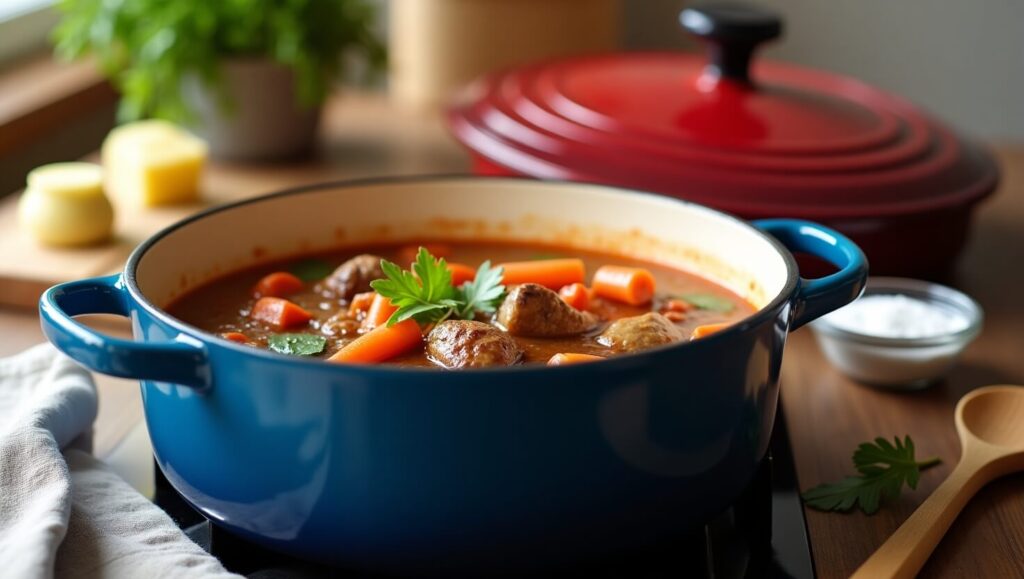
For most home cooks, the best Dutch oven is a round, enameled cast iron pot in the 5 to 7 quart range. America’s Test Kitchen calls 7 quarts the best size for most people because it fits anything from a whole chicken to a batch of baked ziti. Chef and cooking instructor Danielle Turner lands on 5 to 7 quarts too.
Brand picks vary a little by tester, but the same names keep showing up. Here’s where the common ones fit.
| Pick | Type | Where It Fits |
|---|---|---|
| Lodge 6-quart | Enameled cast iron | Named best overall by CNN Underscored and the best value pick at Reviewed |
| Le Creuset (5.5 or 7.25 quart) | Enameled cast iron | The premium pick at America’s Test Kitchen and Reviewed’s best upgrade |
| Cuisinart 7-quart | Enameled cast iron | America’s Test Kitchen’s Best Buy at about a quarter of the cost of its top pick |
| Made In | Cast iron | Reviewed’s top pick overall |
| HexClad 5-quart | Not cast iron | Reviewed’s lightweight option |
| Camp Chef 6-quart | Cast iron | CNN’s camping pick, with a lid that doubles as a griddle |
If you’re still building your kitchen, our guide to basic cookware shows where a Dutch oven sits next to the other core pieces.
Which Dutch Oven Material Is Best?
For most home cooks, enameled cast iron is the best material. It’s the material most of the picks above are built around, and it goes from stovetop to oven to the table. Each material has trade-offs, though.
Enameled Cast Iron
The two drawbacks are weight and chipping. In Consumer Reports’ tests, the lightest pot was a little over 7 pounds and the heaviest was 15. Some buyers report enamel chips on the Lodge, though the company offers a lifetime warranty.
Bare Cast Iron and Camp Ovens
Bare cast iron suits outdoor cooking. You can use it over a fire or hot coals. It asks for a bit more upkeep than enameled cast iron, so follow the maker’s care instructions closely.
Lightweight and Ceramic Options
If weight is your main worry, Reviewed’s pick for the best non-cast-iron option is the HexClad. If you are leaning towards lightweight Dutch ovens, remember, if you buy ceramic, avoid moving it straight from intense heat to a cool surface.
Does a Heavy Pot Cook More Evenly?
Not always. Many people assume heavy cookware always distributes heat evenly. But poor thermal conductivity causes severe hotspots regardless of cookware weight or mass. Our guide to heat conductivity explains why. The practical takeaway is to check how a pot actually heats on your burner rather than trusting the weight on the box.
If you cook on induction, check the base before you buy. Our guide to cookware that’s induction compatible covers the quick magnet test.
What Size Dutch Oven Should You Buy?
For most households, a 5 to 7 quart Dutch oven is the right size. A good rule of thumb is one quart per person, rounded up if you like leftovers.
| Household | Suggested Size |
|---|---|
| One or two people | 3 to 4 quarts |
| Most households | 5 to 7 quarts |
| Large groups | 7.5 to 13 quarts, only if you truly need the capacity |
The largest sizes can feed seven to a dozen people, but they’re heavy and expensive. Weight is worth thinking about before you buy. The heaviest pot Consumer Reports tested, a 6-quart model at 15 pounds, also had a small cooking surface of only 7 inches across.
Shape matters too. Round Dutch ovens are great for bread and everyday cooking, while ovals suit roasts. If you don’t own one yet, start with a standard-depth round pot and add a braiser later. For more on matching pot dimensions to your household, see our guide to cookware sizes.
Are the Best Dutch Ovens Always the Expensive Ones?
No. The best Dutch oven for you isn’t always the expensive one. Consumer Reports found that Lodge and other lower-cost pots were as good or better than the Le Creuset in its tests. America’s Test Kitchen says its Cuisinart Best Buy performs almost as well as its expensive winner at about a quarter of the cost.
When a Premium Brand Makes Sense
My rule is simple: only look at an expensive name brand if you can afford it or there’s a specific feature you can’t do without. I found the Le Creuset to be the lightest and easiest enameled pot to use in its size range, which counts when you’re moving a full pot of stew. Reviewed also says the Le Creuset is worth the cost if it fits your budget.
When a Budget Pick Is Enough
Lodge is recommended for cooks on a budget or those not focused on handing cookware down to their kids. Another tester found that these pots are made of similar materials and will all cook well, even with performance differences. That said, expect some trade-offs, such as a possible chip or two.
Why I Reach for a Dutch Oven for Slow-Cooked Lamb
One of the reasons I came to like Dutch ovens is how they cook lamb. You get a rich gravy and tender meat full of flavor from slow cooking. Before I used one, the only way I got close was on the stovetop in thick steel pans.
The problem with that method was constant supervision. As the liquid evaporates, the meat can burn if you look away. In my experience, putting the pot in the oven for a set amount of time is far less stressful. Once your oven timing is right, a Dutch oven is much more forgiving than a stovetop pan.
Use a food thermometer either way. USDA’s safe smallest temperature for lamb roasts is 145°F with at least a 3-minute rest, and you can cook it higher if you prefer. This is the equipment-matching idea in practice: the right pot for the task takes work off your plate.
Are Enameled Dutch Ovens Safe?
For most home cooks, yes, as long as you buy from established makers. Enameled cookware made in the US is generally considered safe and is monitored by the FDA, which sets greatest levels for leachable lead. No guidance covers every pot ever sold, so a little checking helps.
- Imported enameled cookware is worth checking against the FDA’s import alert list.
- Be cautious with antique or handmade ceramics, since the FDA has flagged them for lead.
How to Care for Your Dutch Oven
Care is simple, and it starts with how you handle heat. Here’s what to check:
- Heat it gradually. Sudden temperature swings are the main risk, especially with ceramic.
- Let it cool before it meets water or a cold counter.
- Check the maker’s stated oven-safe temperature before roasting or baking.
- Follow the maker’s washing instructions. They differ between enameled and bare cast iron.
Our full cookware care guide covers cleaning and storage by material.
How to Pick the Best Dutch Oven for the Way You Cook
So here’s how to think through it. Match the pot to your habits, not the price tag.
- If you cook for one or two, then a 3 to 4 quart pot is enough.
- If you feed a family, then a 5 to 7 quart round pot is the safe choice.
- If you roast larger cuts, then consider an oval.
- If you’re on a budget, then a Lodge or Cuisinart gives you most of the performance for much less.
- If weight bothers you, then look at lighter pots, but check how they heat first.
- If you cook outdoors, then a cast iron camp oven makes sense.
- If you braise meat often, then a heavy, lidded pot in the oven saves you from standing at the stove.
Dutch Oven FAQs
What Size Dutch Oven Do You Need for Two People?
A 3 to 4 quart Dutch oven works well for one or two people. A good rule of thumb is one quart per person, rounded up for leftovers. If you often cook big batches to freeze or reheat, a 5 quart pot gives you that room without the weight of the largest sizes.
Can a Dutch Oven Go From the Stovetop to the Oven?
Yes. That’s a big part of why people use them. A Dutch oven can brown, boil, braise, and bake in the same pot, then go from the stovetop to the oven to the table. Oven-safe temperatures vary by maker, so check the stated limit before you roast or bake.
Can You Bake Bread in a Dutch Oven?
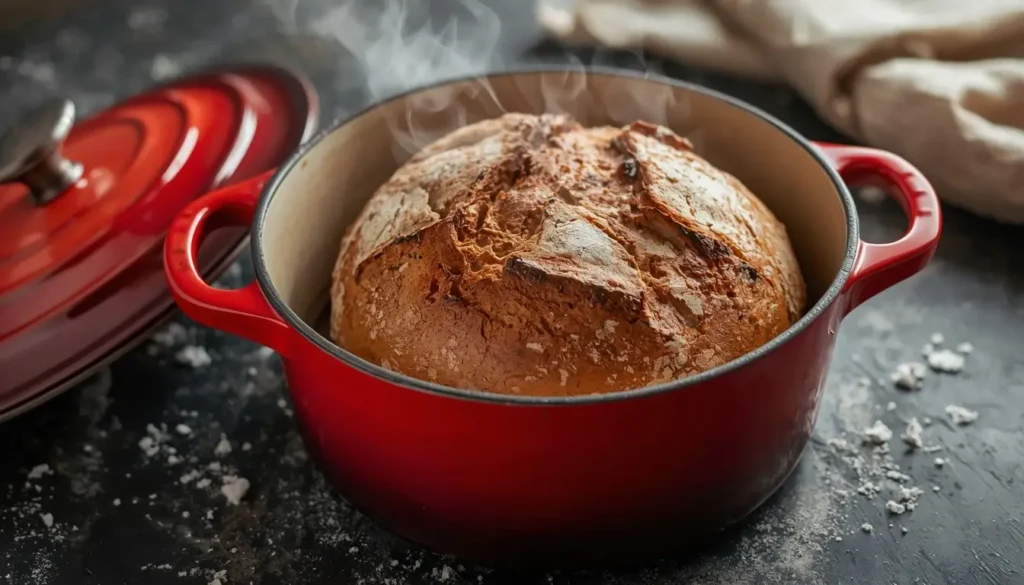
Yes. Round Dutch ovens are a good fit for bread and everyday cooking. In Consumer Reports’ testing, the Lodge 6-quart turned out nicely browned, crispy loaves and earned a Very Good rating in its bread baking test.
Is a Lodge Dutch Oven as Good as a Le Creuset?
For most home cooks, it’s close enough that price should drive the decision. Consumer Reports found Lodge and other lower-cost pots were as good or better than the Le Creuset in its tests, and CNN named the Lodge its best pick.
The Le Creuset earns its place if weight and handling matter to you. America’s Test Kitchen found it the lightest and easiest to use in its size range. Keep in mind that some Lodge buyers report enamel chips, though the company offers a lifetime warranty.
Will a Ceramic Dutch Oven Crack?
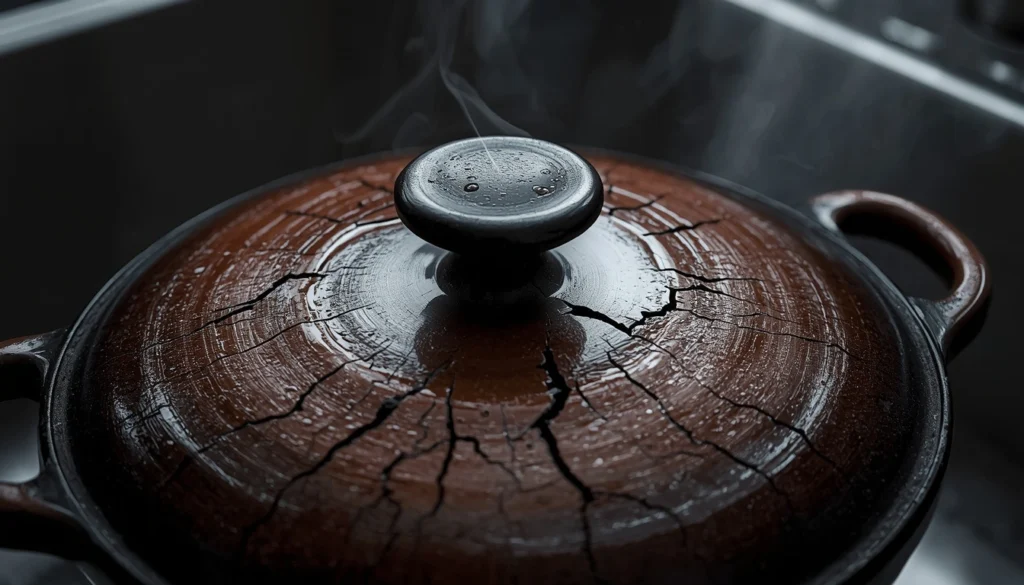
It can if you shock it. Avoid moving a ceramic Dutch oven straight from intense heat to a cool surface. Heat it gradually and let it cool before it touches water or a cold counter.
Conclusion
The real takeaway is to buy for how you cook. Get the right size and material first, and only pay for a name if you can afford it or need a feature you’ll use.