
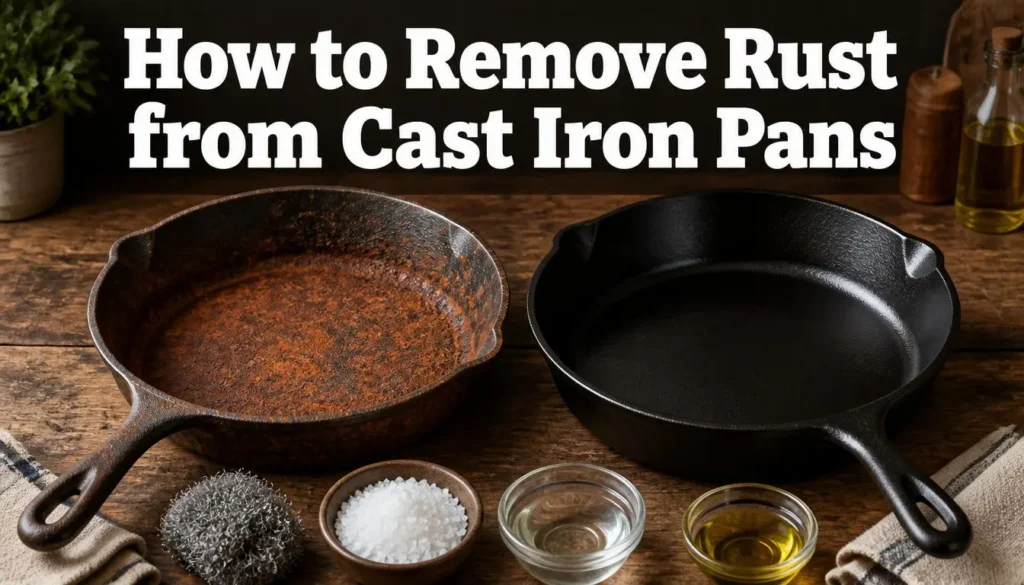
Your favorite cast iron skillet is covered in ugly, orange rust. It’s a common panic, and your first thought might be that your beloved pan is ruined. I’m here to tell you it’s ok. I can tell you how to remove rust from cast iron pans. A little rust is almost always fixable, and it doesn’t mean you need to throw your cast iron cookware away. There are countless benefits of cooking with cast iron, and it’s worth a little effort to save it.
Your cast iron pan is a solid piece of metal, a cast block of iron. This iron’s natural tendency is to oxidize, or rust, when it meets moisture and air. The protective “seasoning” usually prevents this rusting, but sometimes that barrier gets compromised. The good news is that with a little effort, you can learn how to remove rust from cast iron pans and restore your pieces. This guide will walk you through everything you need to know to bring your cookware back to life.
Key Takeaways
- Rust on cast iron is reversible and doesn’t mean your pan is ruined
- Simple household items like vinegar, salt, and dish soap effectively remove rust
- The restoration process involves scrubbing, drying, and re-seasoning
- Prevention through proper drying and seasoning keeps pans rust-free
- Even heavily rusted cast iron can be fully restored to cooking condition
- Regular maintenance is easier than dealing with extensive rust damage
Understanding Rust on Cast Iron Cookware
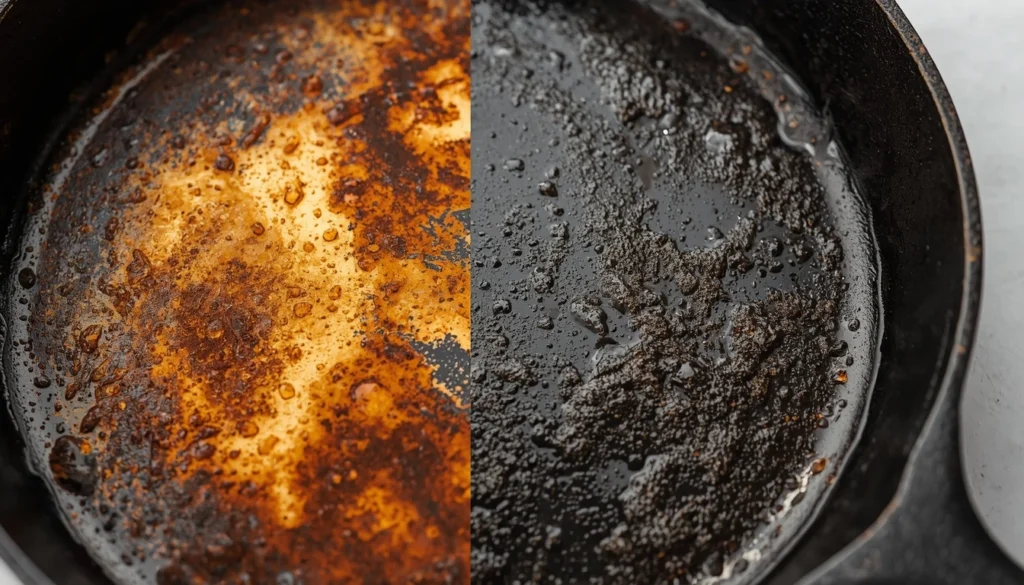
Before we start scrubbing, it’s important to understand the enemy. You should know why rust occurs on cast iron cookware and how to identify its severity. This will help you choose the right method and prevent it from happening again.
Why Do Cast Iron Pans Rust?
The science is simple: rust is iron oxide. It forms when the iron in your pan is exposed to oxygen and moisture. This raw iron, is often made from pig iron in foundries. It is a unique material for cookware and is more susceptible to rusting than the pans in a set of stainless steel cookware or other pots and pans. Your cast iron pan’s seasoning is a layer of baked-on oil. It is the only thing standing between the metal and the elements.
Common Causes of Rust:
- Moisture: Leaving the pan to air-dry or storing it in a humid area is the top cause.
- Improper Storage: Stacking pans without a protective layer can trap moisture and damage the cast iron finish.
- Damaged Seasoning: Cooking acidic foods can eat away at the seasoning, exposing the bare iron underneath.
Is a Rusted Cast Iron Pan Safe to Use?
This is a common question, and the answer is generally yes, but with caution. Ingesting a small amount of rust is not harmful. But, cooking with rusty pots can impart a metallic, unpleasant taste to your food. This answers the question of do cookware materials affect food taste.
The real concern is the pan’s condition.
- Superficial Rust: A light, dusty layer is harmless and easy to remove from your iron skillet. The pan is perfectly safe to restore.
- Structural Damage: If you find a cracked pan, it is often best to retire it. Major cast-iron defects like these can render the pan useless for cooking on a stove. Always check for a crack-free cast-iron pan before beginning.
Types of Rust: Surface vs. Deep Corrosion
| Rust Type | Description | Appearance | Best Removal Method |
|---|---|---|---|
| Light Surface Rust | Fresh rust that hasn’t penetrated the iron. | A fine, orange, dusty powder. | Salt Scrub (Method 1) |
| Moderate Rust | Rust that’s started bonding with the metal. | Darker orange or brown patches on the pan. | Vinegar Soak (Method 2) |
| Severe Rust | Deep corrosion that may have caused pitting. | Thick, flaky, dark brown, or blackish rust. | Abrasive Scrubbing or an Advanced Method |
What You’ll Need to Remove Rust from Cast Iron
Before you begin your restoration, gather your supplies. Having everything ready in your workspace will make the process much smoother.
Essential Supplies and Tools
You likely have most of these items in your kitchen.
- Coarse Salt: Kosher or coarse sea salt works best as a gentle abrasive.
- White Vinegar: An acid that will dissolve tougher rust.
- Mild Dish Soap: Just a small amount for the final clean.
- Scrubbing Tools: Steel wool, a stiff brush, or a chainmail scrubber.
- Paper Towels or Cloths: For drying and applying oil.
- Seasoning Oil: A high-smoke-point oil like vegetable or canola.
- Optional: Baking soda, a potato, aluminum foil, or commercial products like a Lodge rust eraser.
Safety Equipment
Safety should be a priority, especially when dealing with a very rusty pan.
- Rubber Gloves: To protect your hands from grime and vinegar.
- Well-Ventilated Workspace: Important when using vinegar or oven cleaner.
- Protective Eyewear: A good idea if you’re scrubbing flaky rust.
Method 1: How to Remove Light Rust from Cast Iron Pans (Salt Scrub Method)
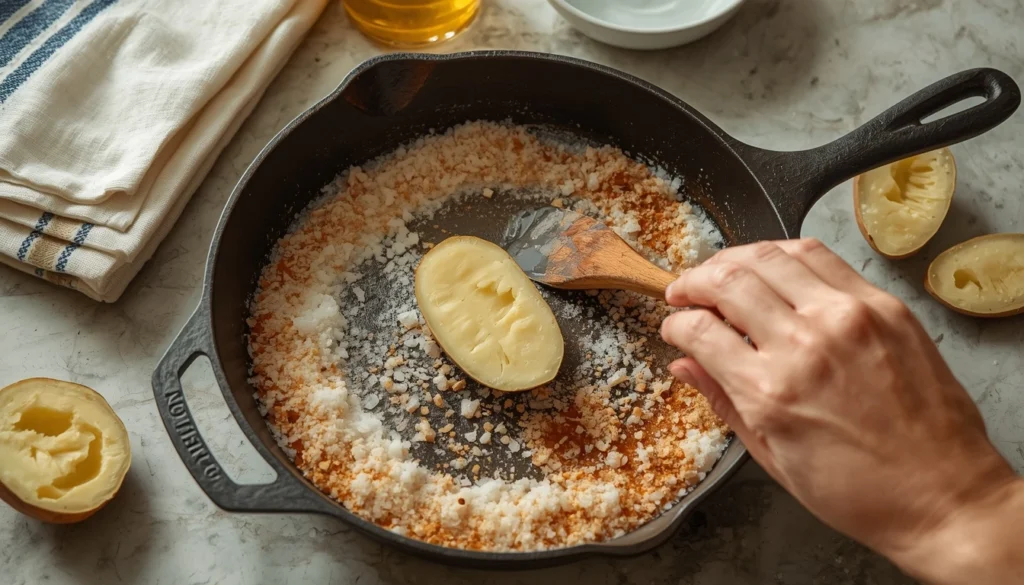
For a little rust that appeared after one mistaken air-dry, this is your go-to method. It’s gentle, quick, and highly effective for minor issues on cast iron pans.
Step-by-Step Salt Scrub Process
- Rinse the pan: Briefly rinse your cast iron skillet with warm water.
- Apply Salt: Pour a generous amount of coarse salt into the pan, covering the rusty sections.
- Scrub: Cut a potato in half and use the cut side to scrub the salt in circular motions. The starch from the potato helps clean this unique metal.
- Rinse and Assess: Rinse the pan thoroughly with hot water. If any rust remains, repeat the process.
This method works because the salt acts as an abrasive, lifting light rust particles without harming the underlying iron. The whole process takes only a few minutes.
When to Use the Salt Scrub Method
This is the perfect first line of defense for your cast iron.
- Best for fresh, light surface rust.
- Ideal for quick maintenance if you notice a tiny spot forming.
- Not suitable for a heavy buildup or an old, black cruddy pan.
Method 2: Vinegar Soak Method for Moderate to Heavy Rust
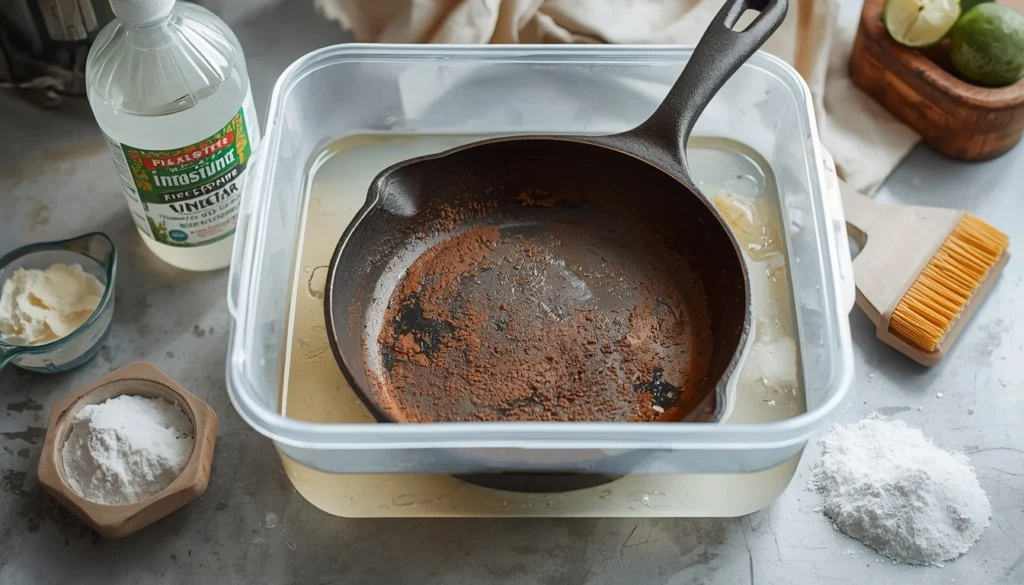
When the rust is more than a light dusting, you need something stronger. A soak in a bucket of diluted vinegar uses acid to chemically break down the rust.
How to Remove Rust from Cast Iron Using Vinegar
- Create Solution: In a bucket or your sink, create a 50/50 solution of white vinegar and water.
- Submerge and Wait: Place the pan in the solution. Let it soak, checking it frequently. This can range from 30 minutes to 8 hours, depending on the rust.
- Check Progress: Every hour, pull the pan out. The rust should scrape off easily with a brush.
- Neutralize: Once the rust is gone, neutralize the acid. Scrub the pan with a paste of baking soda and water, then rinse thoroughly.
Scrubbing After Vinegar Treatment
After the soak, some stubborn spots may remain. Now is the time for steel wool. The vinegar will have loosened the rust significantly, so it should come off with moderate effort. For stubborn areas, a cast iron brush and scraper can give you more control than scrubbing with a cloth alone.
Critical Warning: Don’t Over-Soak Your Pan
Vinegar is an acid that attacks rust, but it will also attack the pure metal of your pan if left too long. This can cause pitting, which is permanent damage. Never soak your pan for more than 8 hours, and check it frequently.
Method 3: Abrasive Scrubbing for Stubborn Rust Spots
Sometimes, you just need pure elbow grease. This method is for those tough patches that other methods couldn’t conquer.
Using Steel Wool and Dish Soap
This is an aggressive method, as it will remove any remaining seasoning along with the rust.
- Add a few drops of mild dish soap and warm water to the pan.
- Using a piece of steel wool, scrub the rusted areas with firm pressure.
- Rinse thoroughly and inspect. Repeat until you see the dull gray of the bare iron.
Alternative Abrasive Methods
- Chainmail Scrubbers: Designed for cast iron cooking, these are effective without being as harsh as steel wool. [Buy chainmail scrubber]
- Sandpaper: As a last resort, you can use wet/dry sandpaper to smooth the surface.
- Power Tools: For serious restorers, a wire wheel on a drill can strip a pan in minutes, but this is an advanced technique.
Method 4: Commercial Rust Removers for Cast Iron
If you have a severely rusted piece of vintage cookware or just want to save time, commercial products are an option.
When to Use Commercial Products
These products are best for heavily rusted pans where manual scrubbing would be exhausting. Look for products that are specifically listed as food-safe, like Bar Keepers Friend, or a simple Lodge rust eraser.
How to Use Rust Removers Safely
Always follow the manufacturer’s instructions.
- Work in a well-ventilated area.
- Wear gloves and protective eyewear.
- Wash the pan thoroughly with soap and water afterward to remove all chemical residue before you begin re-seasoning.
Electrolysis Method for Heavily Rusted Cast Iron (Advanced)
For the serious cast iron collector or someone with an antique piece, electrolysis is the gold standard of rust removal. It uses a low-voltage electrical current to lift rust off the iron without any scrubbing.
This method preserves fine details on vintage cast iron from its heyday. It requires a dedicated setup and a solid understanding of the process. You can learn about this from enthusiast communities like Cast Iron Collector.
Critical Step: Drying Your Cast Iron Completely
You’ve successfully removed the rust. But if you don’t complete this next step perfectly, your pan will rust again in minutes.
Why Thorough Drying Matters
Once you scrub your pan down to the bare metal, it is completely vulnerable. Any moisture will cause “flash rust”—a thin layer of orange rust that can form in minutes.
Best Drying Techniques
- Towel Dry: First, dry the pan as much as you can with a towel.
- Stovetop Heat: Place the pan on a burner over medium-low heat for 5-10 minutes. This will evaporate every last bit of moisture from the cast metal.
- Oven Dry: Alternatively, you can place the pan in a 200°F oven for 10-15 minutes.
Once it’s bone-dry, you are ready for re-seasoning.
Re-Seasoning Your Cast Iron Pan After Rust Removal
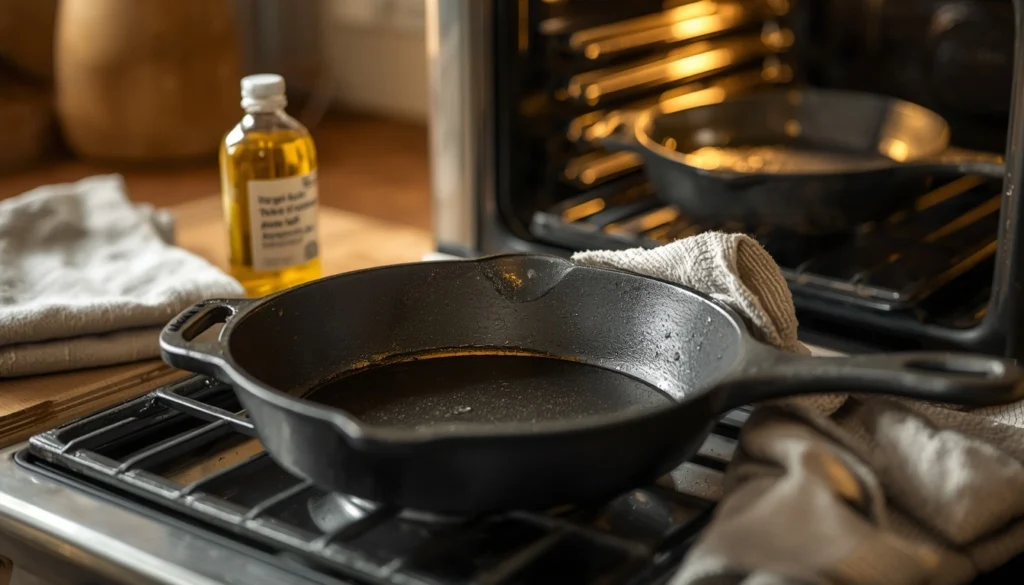
Removing the rust also removes the seasoning. Re-seasoning is non-negotiable; it’s what builds the protective layer that will prevent future rust on your cast iron. Learning how to season a cast iron pan properly is the most important skill for any cast iron owner.
Once the rust is removed, you need to rebuild the pan’s protective seasoning layer. A dedicated cast iron seasoning oil or conditioner can make this step easier.
Why Re-Seasoning is Essential
Seasoning is what makes cast iron non-stick and protects the iron from moisture. When you’ve stripped a pan, you must rebuild this protective coat so you can get back to using it as the best kind of pan for searing meat.
Complete Re-Seasoning Process
- Choose Your Oil: Use a high-smoke-point oil like canola or vegetable oil. A dedicated [cast iron seasoning oil] is another option.
- Apply a Thin Coat: While the pan is still warm, apply a very thin layer of oil to the entire pan—inside, outside, handle, and all.
- Wipe It Off: Take a clean cloth and wipe off as much oil as you can. You want it to look dry.
- Bake It: Place the pan upside down in an oven preheated to 450-500°F. Place a sheet of aluminum foil on the rack below to catch any drips.
- Let It Cook: Bake the pan for one hour. Then, turn the oven off but leave the pan inside to cool.
- Repeat: For a newly restored pan, you should repeat this process at least 3-5 times to build a durable base layer.
Stovetop Seasoning Alternative
For a quick fix, you can season on the stovetop. After drying the pan on the stove, apply a thin layer of oil and heat the pan until it starts to smoke. This is a good temporary measure, but it doesn’t offer the full protection of oven seasoning.
Special Considerations for Different Rust Situations
Not all rust situations are the same. Here’s how to handle some specific cast iron pieces.
Removing Rust from Vintage or Antique Cast Iron
If you have a valuable antique piece, be extra careful. The goal is to remove the rust while preserving important details. The gentlest methods are best. Avoid aggressive power tools that could grind away the pan’s history and value. A lot of vintage stuff can be saved with care.
Dealing with Rust Inside vs. Outside the Pan
Rust inside the pan is the priority, as this is the cooking surface. For exterior rust, which is more of an aesthetic issue, you can be more aggressive with your scrubbing.
Rust in Cast Iron Skillets vs. Dutch Ovens vs. Griddles
The principles are the same, but the shape can present challenges. For Dutch ovens, treat the lid and the pot separately, as detailed in guides for cast iron Dutch ovens. For large griddles or steel plates used on stoves, you may need a large basin for soaking.
How to Prevent Rust on Cast Iron Pans
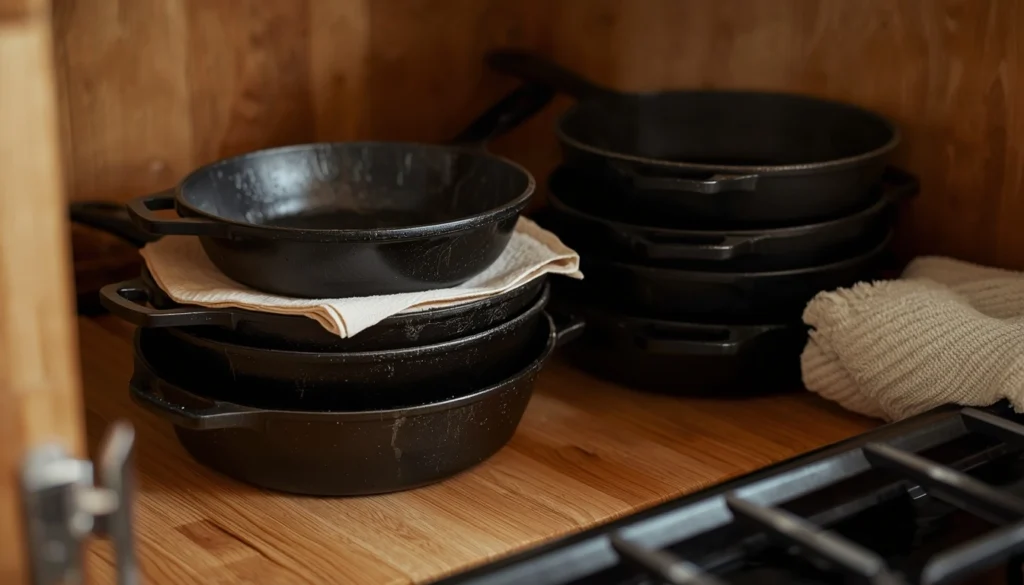
The best way to deal with rust is to never let it form. Proper care is key, and it’s much simpler than a full restoration. Good cookware care & maintenance habits are essential.
Proper Cleaning Techniques to Avoid Rust
- Wash the pan with hot water right after cooking.
- Avoid letting it soak.
- Never put cast iron in the dishwasher.
Seasoning Maintenance Schedule
- After Each Use: After washing and drying on the stovetop, wipe a very thin layer of cooking oil inside the pan.
- Monthly: If your cast iron starts to look dull or food sticks, it might be time for another oven re-seasoning cycle.
Storage Best Practices
| Do | Don’t |
|---|---|
| Store in a dry place like a cabinet or your oven. | Don’t store in a damp basement. |
| Place a paper towel between stacked pans. | Don’t use airtight containers, which trap moisture. |
| Ensure the pan is 100% dry before storing. | Don’t store the lid directly on the pot. |
What to Avoid to Prevent Rust Formation
- Never air-dry cast iron. Always heat-dry it on a stove.
- Don’t leave food in the pan overnight.
- Avoid boiling water in your pan until the seasoning is very well-established.
Troubleshooting Common Cast Iron Rust Issues
Even with the best care, you might run into some problems with your cast iron pans.
Why Does My Pan Keep Rusting After Removal?
This usually comes down to one of three things:
- Inadequate Drying: Be extra thorough with your heat-drying step on the stove.
- Humid Environment: If you live in a very humid climate, you must be extra vigilant.
- Not Enough Seasoning: A single layer is not enough. You need several layers to create a water-resistant barrier.
Orange Residue After Cleaning: Is It Rust?
If you see a reddish-brown residue, it’s likely a small amount of flash rust. This is a sign the pan wasn’t dried quickly enough. Simply wipe it out, apply a thin layer of oil, and heat it on the stovetop for a few minutes.
Rust Spots That Won’t Come Off
If you’ve scrubbed and soaked and still have dark spots, it could be deep pitting. A pitted pan is usually still usable. Just season it well, and the pits will fill in over time.
Black Residue vs. Rust: What’s the Difference?
If you see black flakes, don’t panic. This is not rust. It’s usually burnt-on food or carbonized seasoning flaking off. It’s a sign you need to scrub your pan well and re-season.
FAQs About Removing Rust from Cast Iron Pans
Can I use Coca-Cola to remove rust from cast iron?
Yes, the acid in soda can dissolve rust. But a simple 50/50 vinegar and water solution is cheaper and works much better.
How long does it take to remove rust from a cast iron pan?
With light rust, 10-15 minutes. For moderate rust, expect 1-4 hours. If it’s an old, neglected pan, it could be an all-day project.
Will removing rust damage my cast iron pan?
Using the methods described here will not damage your pan. Cast iron is incredibly resilient. The cast iron vs. stainless steel debate often highlights cast iron’s durability; it can last for generations with proper care.
Can I still cook on a slightly rusted cast iron pan?
It’s not recommended. The rust can affect the taste of your food. It’s always best to restore it first.
Do I need to remove ALL the old seasoning when removing rust?
If you’re only treating a small spot, you can focus on that area. But if the pan has widespread rust, it’s best to start fresh with a new, even layer of seasoning.
What’s the best oil to use when re-seasoning after rust removal?
Any neutral oil with a high smoke point will work well. Grapeseed oil, canola, and vegetable oil are great, affordable options for your pans.
Can cast iron rust in the oven during seasoning?
Yes, this is flash rust. It means there was still moisture on the pan when you applied the oil. Scrub the rust off again, dry it very thoroughly on the stovetop, and then apply your oil.
Is it worth restoring a heavily rusted cast iron pan?
Absolutely! Unless the pan is cracked, it can almost always be saved. The satisfaction of bringing an old piece of cast iron back to life is well worth the effort. There are many different types of cookware, but none have the legacy of a well-loved cast iron skillet.
Conclusion
Finding rust on your cast iron cookware is not a catastrophe; it’s a call to action. It’s an opportunity to give your pan the care it deserves. From a simple salt scrub to a more involved vinegar soak, you have all the tools you need. The process of stripping away the old surface to reveal the clean, pure metal underneath is incredibly satisfying. It results in one of the best cast iron skillets for searing meat.
Remember, this guide on how to remove rust from cast iron pans. It shows that these kitchen workhorses, whether used on modern stoves or old wood-burning stoves, are built to last. It’s even possible to start cooking with cast iron on an induction stove once it’s restored. Prevention is always easier, so adopting a proper routine for how to clean and maintain cast iron cookware is the best long-term iron program. Now, go grab that rusty skillet from one of the best cast iron brands and get to work. A beautifully restored, ready-to-cook pan is just a little effort away.