
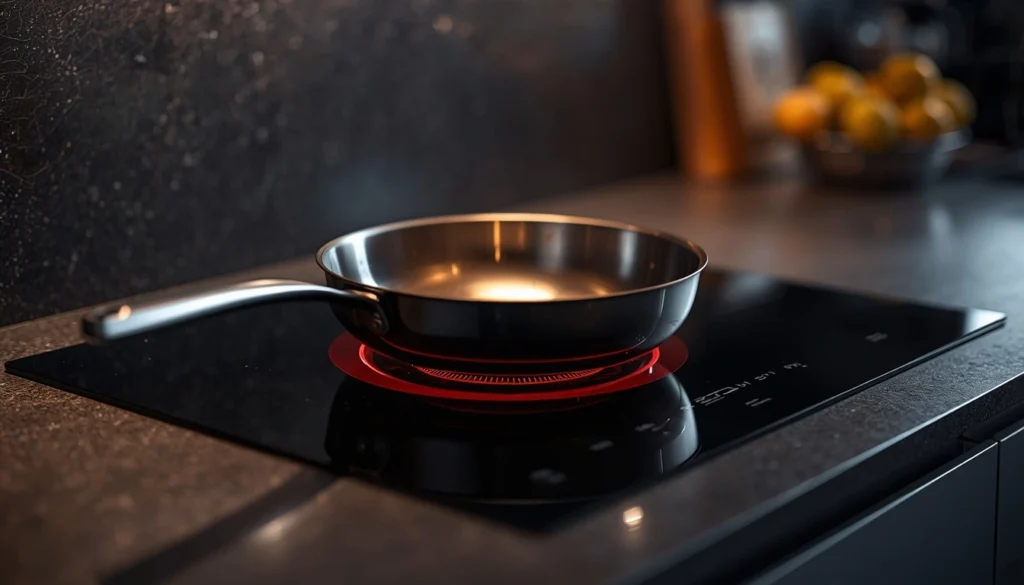
Key Takeaways
- Yes, induction cookware can scratch a glass cooktop. The cause is usually sliding, grit, weight, and rough pan bases, not induction itself.
- Lift pans and set them down instead of pushing, pulling, or turning them on the glass.
- Rough, unfinished, or warped bases carry more risk. Smooth stainless steel carries less, but nothing is scratch-proof.
- Light scratches are mostly cosmetic. A crack or chip means you should stop using the cooktop.
- Some “scratches” are residue or metal marks that wipe off with a proper cooktop cleaner.
Can induction cookware scratch a glass cooktop? Yes, it can, and it happens more easily than most people expect. The induction heating isn’t the problem. Contact is: a pan base moving across glass, often with weight and a little grit in the mix.
I learned this the hard way within a week of using mine. Here’s what happened, what causes it, and what to check so you don’t repeat my mistake.
Can Induction Cookware Scratch a Glass Cooktop?
Yes, induction cookware can scratch a glass cooktop. The surface is tough, but tough isn’t the same as scratch-proof.
Induction heats the pan, not the glass, so the heating method isn’t what leaves marks. Physical contact does. For most home cooks, the risk comes from how you handle the pan more than from which pan you own.
That’s worth knowing before you blame the cookware. Appliance makers describe these surfaces as scratch-resistant, not scratch-proof, and that’s a fair way to think about it.
How I Scratched My Own Induction Cooktop
It never occurred to me that my induction pan could scratch a glass cooktop. I assumed induction pans were made for smooth surfaces like glass and never gave it a second thought.
About one week after I started using it, I noticed light scratches while cleaning the cooktop. I tried to think back to what might have caused them. Then it clicked: I had made them myself by constantly pushing, pulling, and turning the pan while I cooked.
The food in the pan added weight, which made it worse. What I should have done was lift the pan off the glass and set it down where I wanted it. It’s a small habit, and it would have saved the surface.
What Causes Induction Cookware to Scratch a Glass Cooktop?
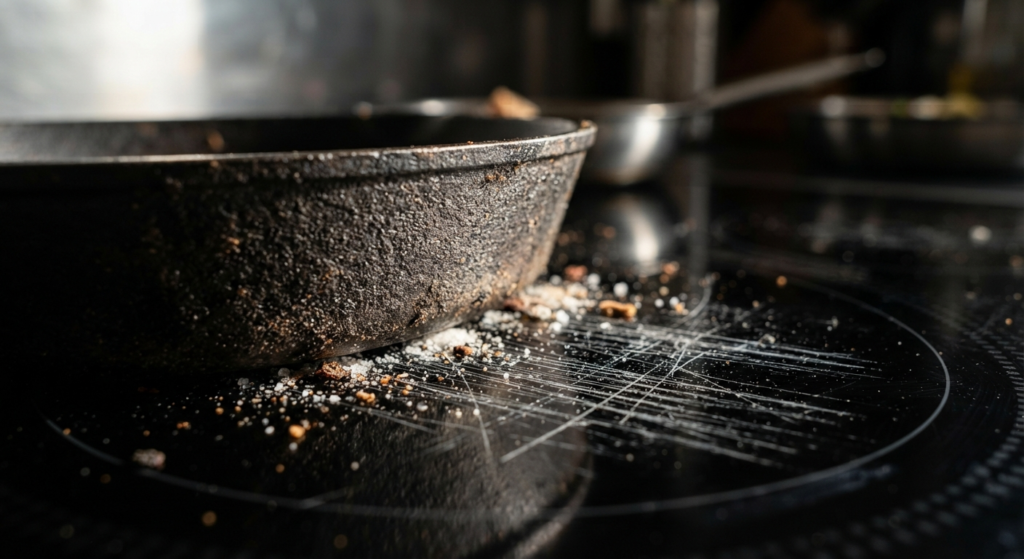
Most scratches come from pans being slid, pushed, or turned on the glass, often with extra weight or grit involved. The key is that the damage happens during movement, not during heating.
Here are the usual causes:
- Sliding or turning the pan. Any dragging motion across the glass puts the base in contact under pressure.
- Weight. A full pot or a heavy pan presses harder, so the same slide does more damage.
- Grit and residue. Salt, crumbs, or burnt-on food caught between the base and the glass can act like fine sandpaper.
- Rough pan bases. An unfinished or damaged base can scratch even with careful handling.
- Abrasive cleaning pads. Scouring pads can leave tiny marks of their own, so scratches don’t always come from cookware.
Even the glass maker’s own care tips say to lift cookware when moving it around the cooktop.
Which Induction Cookware Is Most Likely to Scratch a Glass Cooktop?
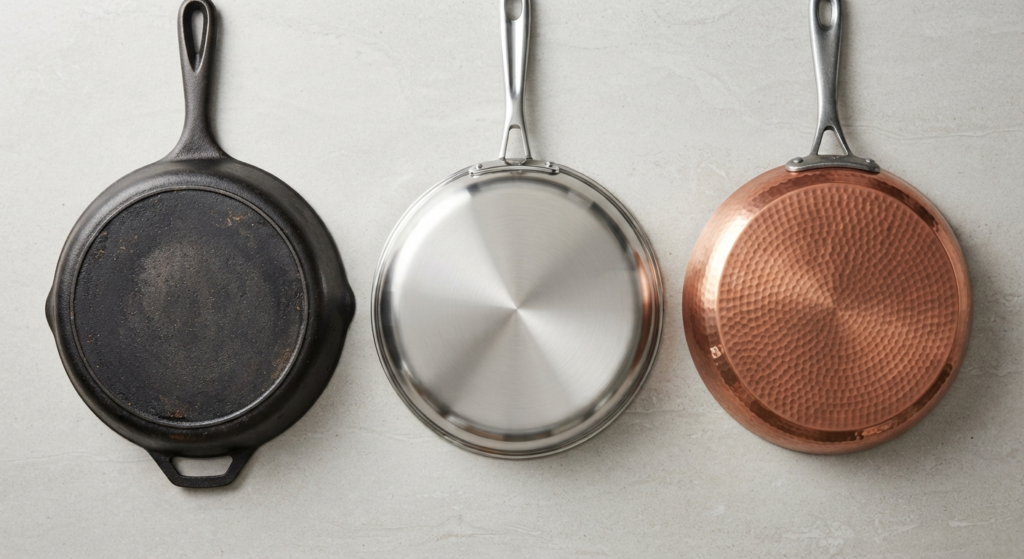
Rough, unfinished, or warped pan bases are the most likely to scratch, and smooth stainless steel is generally the lower-risk choice. That said, any pan can scratch glass if you drag it.
| Base Type | Scratch Risk | What to Know |
|---|---|---|
| Rough or unfinished cast iron | Higher | Heavy, and the base can be rough. Lift it, never slide it. |
| Copper | Metal marks possible | May leave metal marks on the glass that look like scratches. |
| Warped or damaged bases | Higher | Uneven contact puts pressure on small points of the glass. |
| Glass or ceramic cookware | Higher | Often not recommended for glass cooktops because it may scratch. |
| Smooth stainless steel | Lower | Smooth base, but still not scratch-proof if dragged. |
Manufacturers don’t agree on cast iron. Some say to avoid rough-bottomed pieces, while others say you can use it with care. For most home cooks, the safe middle ground is to lift it, set it down, and never slide it. If you cook on cast iron with induction, that one habit matters more than anything else on this list.
A warped base is worth a second look too. It makes poor contact with the glass, and you can learn how to avoid warping your pans in the first place. Samsung’s guidance is blunt on the sliding part: never slide a pot across an induction cooktop, and always pick it up and place it.
Is It a Scratch or Just a Mark?
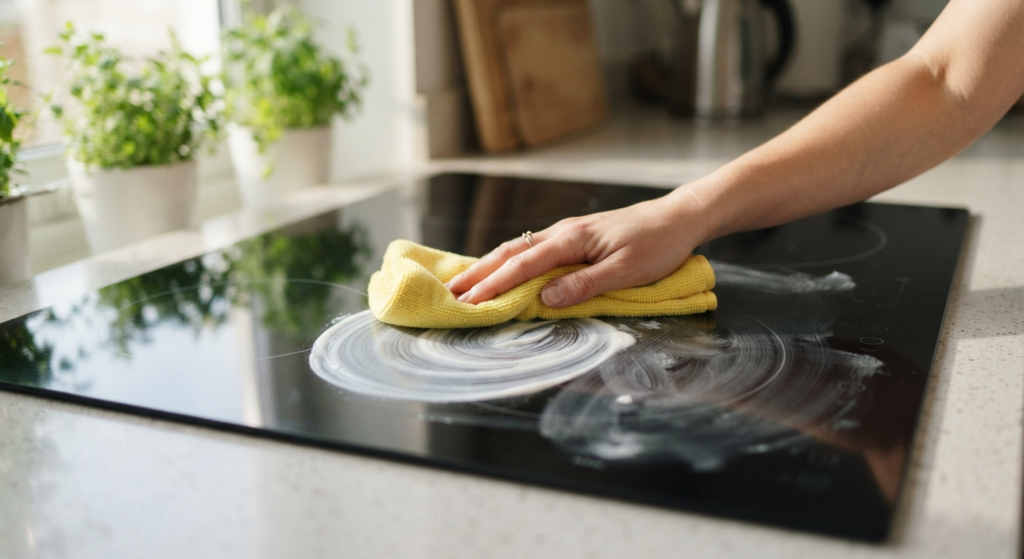
Not every mark on glass is a scratch, because residue and metal transfer can look just as bad but wipe off. It’s worth checking before you assume the damage is permanent.
Let the cooktop cool, then clean it with a cooktop cleaner made for glass-ceramic. Metal from pan bottoms can also transfer onto the glass at high heat, leaving a cloudy or streaky look that isn’t a true scratch. Once the surface is properly clean, look again.
What’s left is likely a real scratch. Small scratches often become less noticeable after cleaning, but deeper ones generally can’t be removed, so it helps to set that expectation early.
Can Scratches on a Glass Cooktop Affect Performance or Safety?
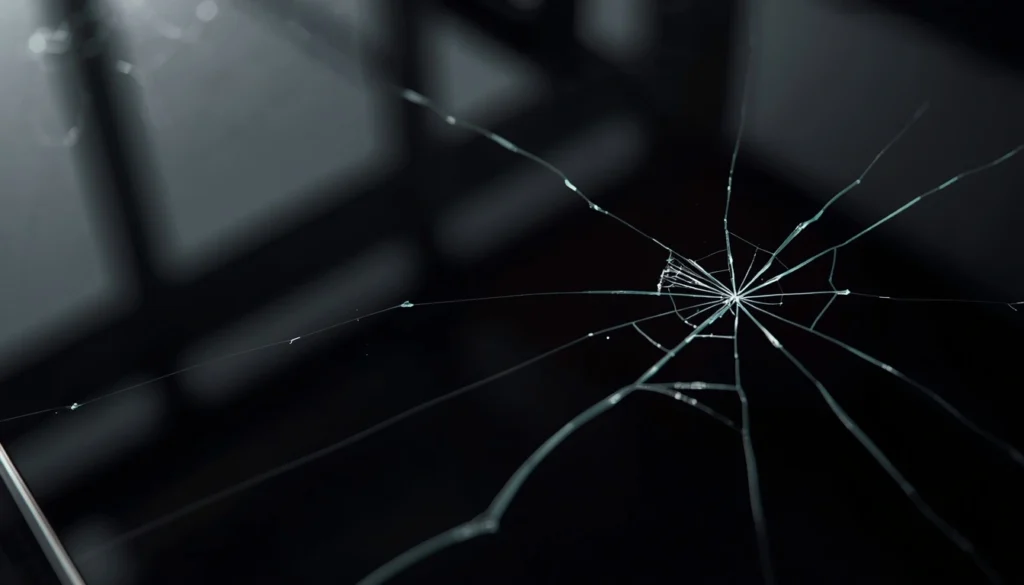
Light scratches are cosmetic and, according to one manufacturer, superficial scratches don’t stop the hob from working. That matches what most people see in daily use.
The picture from experts is similar. Light scratches are mostly cosmetic, though dirt can collect in them and make the glass harder to clean. Some deeper damage may also affect heating, so it’s best not to ignore it.
A crack or chip is a different story. If the glass is cracked or broken, stop using the cooktop. Surface scratches typically aren’t covered by warranty either, so check your manufacturer’s terms.
How to Check Your Pan Before You Cook
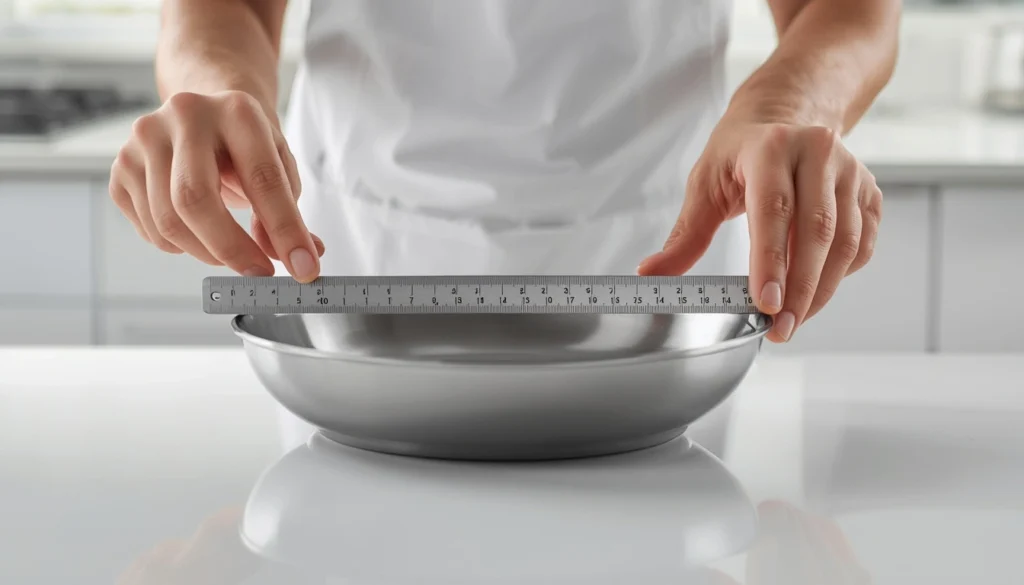
A quick check takes under a minute, and it covers the habits that cause most scratches. Here’s the routine I’d follow now.
- Test the base for flatness. Lay a straight edge or ruler across the bottom of the pan and rotate it. You shouldn’t see a gap or light between the ruler and the base.
- Wipe the pan base and the glass. Remove grit, salt, crumbs, and dried food before the pan goes down.
- Lift, then place. Set the pan down where you want it. Don’t push it into position.
- Adjust by lifting. If the pan needs to move while cooking, lift it, even when it’s full.
- Stir with care. Keep the pan steady while you stir so it doesn’t turn on the glass.
A simple flatness test like that one is also useful when you buy new cookware. Before you do, make sure your pans work with your cooktop by checking induction compatibility. For the full list of fixes, see my guide on how to prevent scratches on induction glass tops.
The Practical Takeaway
The short answer is yes, but you control most of the risk. Lift your pans, keep the glass and the pan bases clean, and don’t drag a full pot into position.
If you’re still choosing cookware, my induction cookware guide covers what works and what to look for. A smooth, flat base and a lift-and-place habit will do more for your cooktop than any single material choice.
FAQs On Induction Cookware Scratching Glass Cooktop
Do Induction Cooktops Scratch Easily?
Not easily, but they can scratch. Glass-ceramic is tough, yet it isn’t scratch-proof, and careless handling is what usually marks it. Sliding pans, trapped grit, and heavy cookware cause most of the damage.
Can You Remove Scratches From an Induction Cooktop?
Small scratches often look less noticeable after a proper clean, but deeper ones generally can’t be removed. Some marks only look like scratches and wipe off completely. So clean the glass with a cooktop cleaner made for glass-ceramic before you judge the damage. Follow your manufacturer’s care instructions for anything beyond that.
Is Cast Iron Safe on an Induction Glass Cooktop?
Cast iron can be used on induction, but it needs extra care. Manufacturers don’t all agree, and some advise against rough-bottomed pieces. For most home cooks, the safe approach is to lift it, set it down, and never slide it across the glass.
Is Stainless Steel Better Than Cast Iron for Avoiding Scratches?
Smooth stainless steel is generally the lower-risk choice because the base is smooth. It still isn’t scratch-proof, so a dragged stainless pan can mark the glass too. The way you move the pan matters as much as the material.
Can a Full Pot Scratch the Glass More Easily Than an Empty One?
Yes, extra weight puts more pressure on the glass when the pan moves. That’s what happened to me: the food in the pan added weight to every push and turn. A full pot should always be lifted, never dragged into position.
Should I Slide My Pan to Center It on the Burner?
No, lift the pan and set it down where you want it. Sliding is one of the most common causes of scratches, and it’s the habit I wish I’d avoided from day one. If the pan is off-center, lift it and place it again.
Do Scratches Affect How an Induction Cooktop Heats?
Light scratches are mostly cosmetic and don’t normally stop the cooktop from working. Dirt can collect in them, which makes the glass harder to clean, and some deeper damage may affect heating. If the glass is cracked or chipped, stop using the cooktop.
Does a Warranty Cover Scratches on a Glass Cooktop?
Surface scratches typically aren’t covered by warranty. Manufacturers often treat marks that can’t be cleaned off as cosmetic damage. Check your own warranty terms before you assume either way.