
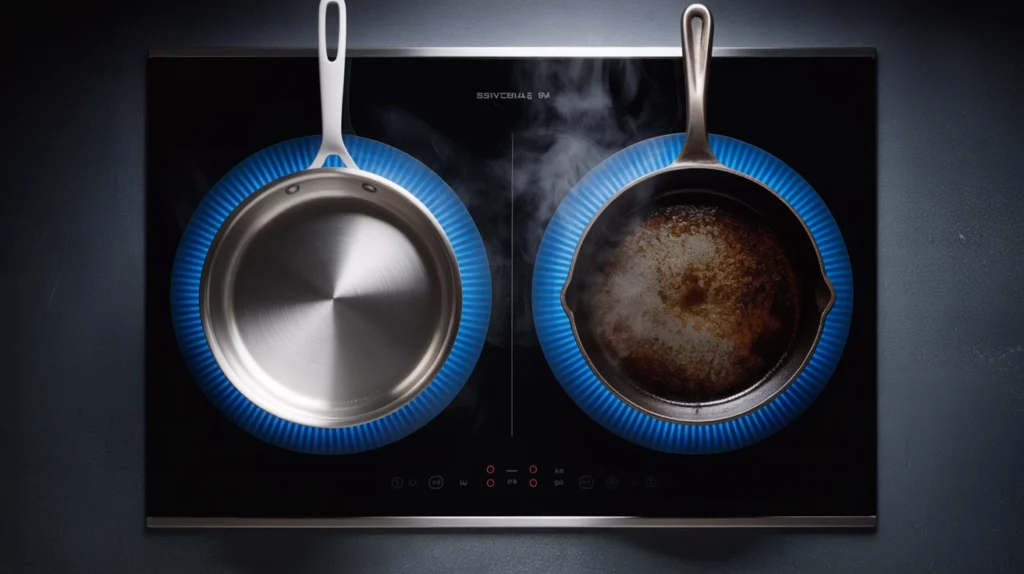
You are asking yourself, is stainless steel or cast iron better for induction. The short answer is that both are amazing, but they serve different purposes. Stainless steel is the winner for fast heating, precise temperature control, and everyday tasks like boiling or sautéing. Cast iron is at the top for holding heat, making it the perfect choice for searing meats and deep-frying.
I always tell my readers that the best cookware material for induction cooktops actually depends on what you plan to cook. I will break down exactly how these two materials compare. Then you can figure out if is stainless steel or cast iron better for induction in your own kitchen.
Key Takeaways
- Cast iron is naturally compatible: Its high iron content means every cast iron pan works instantly on induction.
- Not all stainless steel works: Only pans with a magnetic stainless steel base will heat up; always test with a magnet.
- Stainless steel wins for speed: It heats incredibly fast and responds instantly to temperature changes.
- Cast iron wins for heat retention: It stays hot when adding cold food, making it perfect for heavy searing.
How Induction Cooktops Work with Cookware
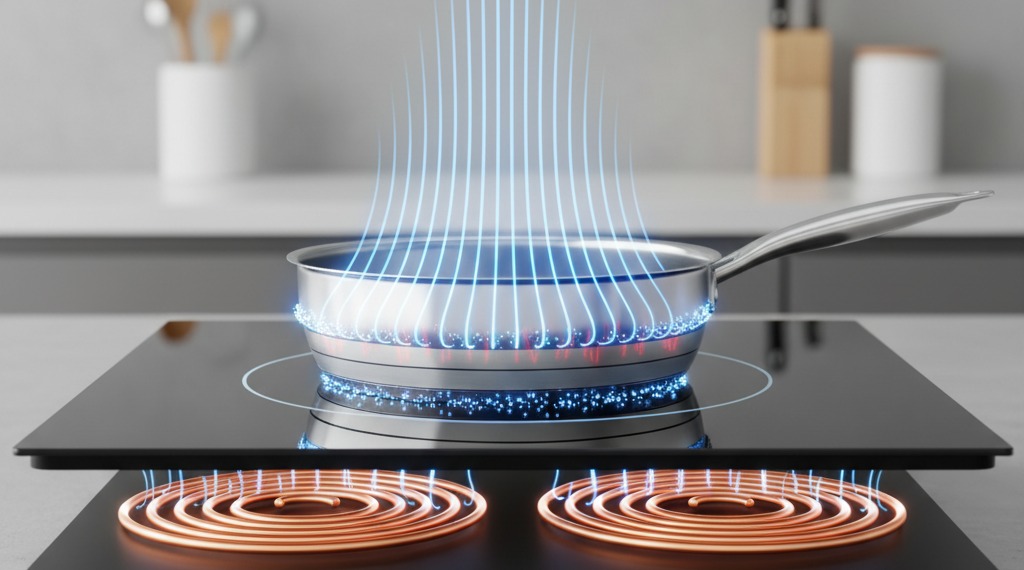
Before you can choose the right pan, you need to deeply understand how induction cooking works. Using an induction stove is completely different from cooking on gas or traditional electric stoves. It relies on advanced induction technology to heat your food safely and quickly. Knowing this process, shows why picking the right cookware is so important for your daily meals.
The Basics of Induction Cooking Technology
Inside an induction cooktop, there is a copper coil hidden right beneath the glass surface. When you turn the stove on, electricity flows through this coil and creates a powerful electromagnetic field. This field does not generate heat on its own, which is why the induction cooktop surface stays cool to the touch. Instead, the magnetic energy travels into your induction cookware, creating heat inside the actual metals.
Why Magnetic Materials Are Required for Induction
Because the stove uses magnetic energy, your pots and pans must be made of magnetic cookware materials. This simply means the metal must contain enough iron to react to the magnets. The magnetic field creates tiny electrical currents inside the base of the pan. These currents meet resistance in the metal. That resistance creates the intense heat used for induction cooktop cooking.
What Makes Cookware “Induction Compatible”
For a pan to offer true induction compatibility, the bottom surface that touches the stove must contain magnetic metals. The pan also needs a completely flat bottom to maintain strong contact with the induction plate. If a pan is warped or has a curved base, the magnetic connection breaks and the induction appliance will simply turn off. This is why checking your cookware before buying a new stove is a smart move.
How to Test If Your Cookware Works on an Induction Stove
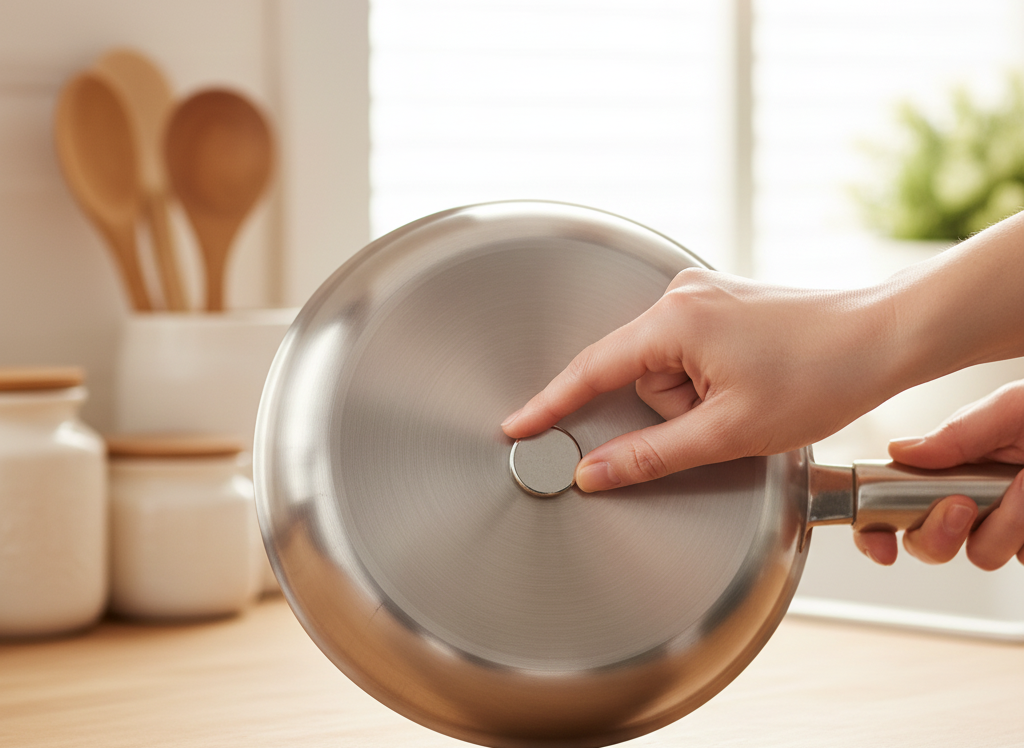
I love sharing this simple trick with people. Especially those who just bought new induction appliances and want to know how to tell if your cookware is induction compatible. Just take a standard refrigerator magnet and hold it against the bottom of your pan. If the magnet sticks strongly to the metal, you have induction-compatible cookware that will work great. If the magnet slides off or loosely grabs the metal, the pan will not heat up properly on your burner.
Common Materials That Work (and Don’t Work) on Induction
Not all metals are created equal in the kitchen. A heavy carbon steel pan or a traditional cast iron pan works perfectly because both are full of iron. You generally want to avoid aluminum and pure copper pans. They will not work at all unless the manufacturer adds a special magnetic plate to the bottom. Stainless steel is a bit tricky, which we will explore next.
Are Stainless Steel and Cast Iron Compatible with Induction?
When debating if is stainless steel or cast iron better for induction, you first need to know if they actually turn the stove on. The good news is that both materials are widely used on modern induction stovetops. But, one is naturally ready to go, while the other requires careful shopping. Let us look at why this happens.
Why Cast Iron Works Naturally on Induction
Regular cast iron is essentially an alloy made almost entirely of iron and a little bit of carbon. Because iron is a naturally magnetic metal, every single piece of cast-iron is instantly ready for an induction stove. Whether you buy a raw cast skillet or an enameled cast iron Dutch oven, it will connect perfectly. This makes cast an incredibly reliable choice for induction cooking.
Why Some Stainless Steel Works on Induction and Some Doesn’t
When people ask, can you use stainless steel cookware on induction stoves, they learn that not all stainless steels are magnetic. Stainless is an alloy made of steel, chromium, and nickel. If a steel pan has high amounts of nickel, it actually loses its magnetic properties completely. Thus, solid 18/10 stainless steel pans will not work on your induction cooktop at all without an added base layer.
The Role of Magnetic Stainless Steel Alloys
To fix this problem, manufacturers use a different grade of metal for the bottom of induction pans. They typically use a magnetic-grade stainless steel, which contains zero nickel and is highly magnetic. By stamping this magnetic stainless steel onto the bottom, the pan gets a magnetic stainless exterior. Always look for a dedicated stainless steel base designed for induction when shopping.
Multi-Clad Stainless Steel and Induction Performance
The best multi-layer stainless steel pans use a special clad construction. This means the pan has an aluminum core sandwiched securely between layers of steel. The outside layer captures the induction heat, while the inner aluminum cores spread that heat perfectly up the sides. Brands like All-Clad use this method to make their famous d3 stainless steel and d5 stainless lines.
Quick Compatibility Comparison
Here is a quick look at how common cookware materials compare on induction ranges.
| Cookware Material | Naturally Induction Compatible? | Needs a Special Base? | Heat Up Speed |
|---|---|---|---|
| Cast Iron | Yes, 100% | No | Slow |
| Carbon Steel | Yes, 100% | No | Fast |
| Stainless Steel | Sometimes | Yes (Magnetic layer) | Very Fast |
| Aluminum | No | Yes (Steel plate) | Varies |
| 100% Copper | No | Yes (Steel plate) | Varies |
Stainless Steel vs Cast Iron: Key Differences for Induction Cooking
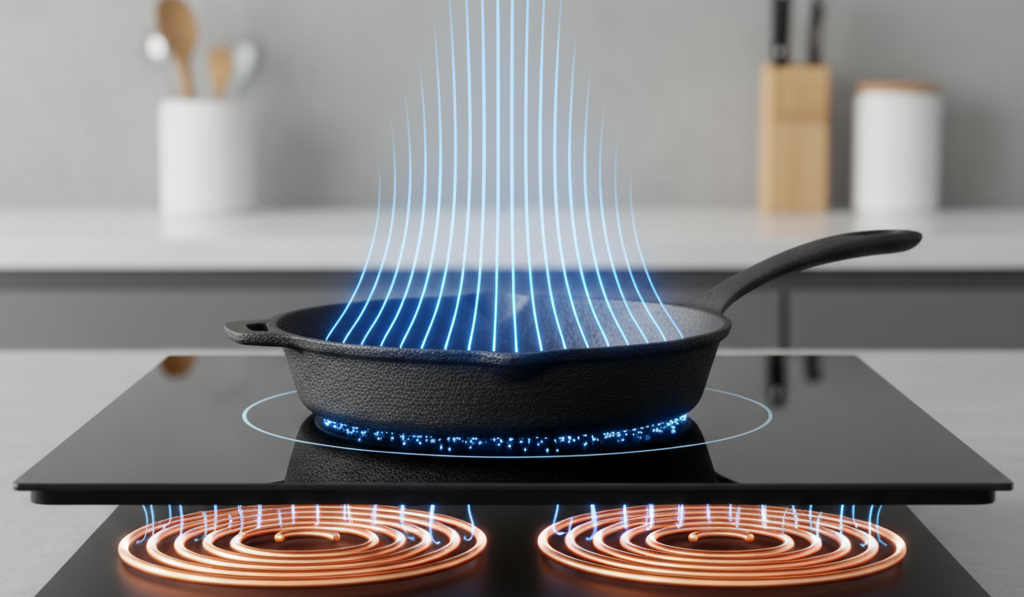
When asking, is stainless steel or cast iron better for induction, we have to look at how the steels and iron behave. Induction pushes heat directly into the metal instantly, which brings out the distinct cast iron vs stainless steel pros cons. How the metal reacts to that sudden heat changes everything about your daily cooking experience. Let us directly compare the specific steel cookware features against traditional iron to see which wins.
Heat Conductivity and Heating Speed
Thermal conductivity measures how fast a material moves heat from the stove to your food. You will find that stainless steel conducts heat incredibly well when paired with an aluminum layer. It heats up in seconds on a top-rated induction cooktop and spreads the heat evenly. Cast iron has poor thermal conductivity, meaning it takes a long time to heat up and can develop hot spots.
Heat Retention and Temperature Stability
Heat retention is where a thick cast iron pan completely crushes the competition. Once regular cast iron gets hot, it stays hot, even when you drop a massive, cold steak into it. Everyday stainless steel loses its heat very quickly when cold food hits the pan. For tasks that need steady, high heat, iron is simply unmatched.
Cooking Precision and Control
Induction stoves are famous for their precise temperature control. If a recipe is boiling over, you can turn the stove dial down, and the heat stops instantly. We know that stainless steel works perfectly with this precision, instantly cooling down when you lower the power. Cast iron holds onto its heat for so long that turning down stoves will not stop your food from cooking right away.
Responsiveness to Temperature Changes
Because of this difference, I rely heavily on stainless steel cookware for delicate cooking. If I am making a hollandaise sauce or melting butter, I need highly responsive steel pans. A good steel pan reacts immediately to the stove’s magnetic field changes. Cast iron acts like a heavy freight train; it takes a long time to get going, and a long time to stop.
Weight and Ease of Handling
Cast-iron frying pans are incredibly heavy, with a standard 12-inch skillet weighing over 8 pounds. Lifting, tossing, and pouring from a heavy pan requires a lot of wrist strength. Steel frying pans of the exact same size weigh about half as much. This makes steel much easier to handle for daily meal prep.
Durability and Longevity
Both materials feature durable construction and can last for generations if cared for properly. A cast iron pan is practically indestructible and can survive being dropped or scratched. The solid stainless steel construction of modern pans is also tough, but extreme heat changes can cause cheaper versions to warp. A warped pan is useless on a flat glass stove.
Maintenance and Cleaning Requirements
Food-grade stainless steel is generally considered low-maintenance. It’s because you can scrub it with soap or throw it in the dishwasher. It is also non-reactive, meaning you can cook acidic foods without worry. Cast iron requires a process called seasoning to prevent rust and create a non-stick surface. You also cannot put iron in the dishwasher or let it soak in the sink.
Advantages of Stainless Steel for Induction Cooking
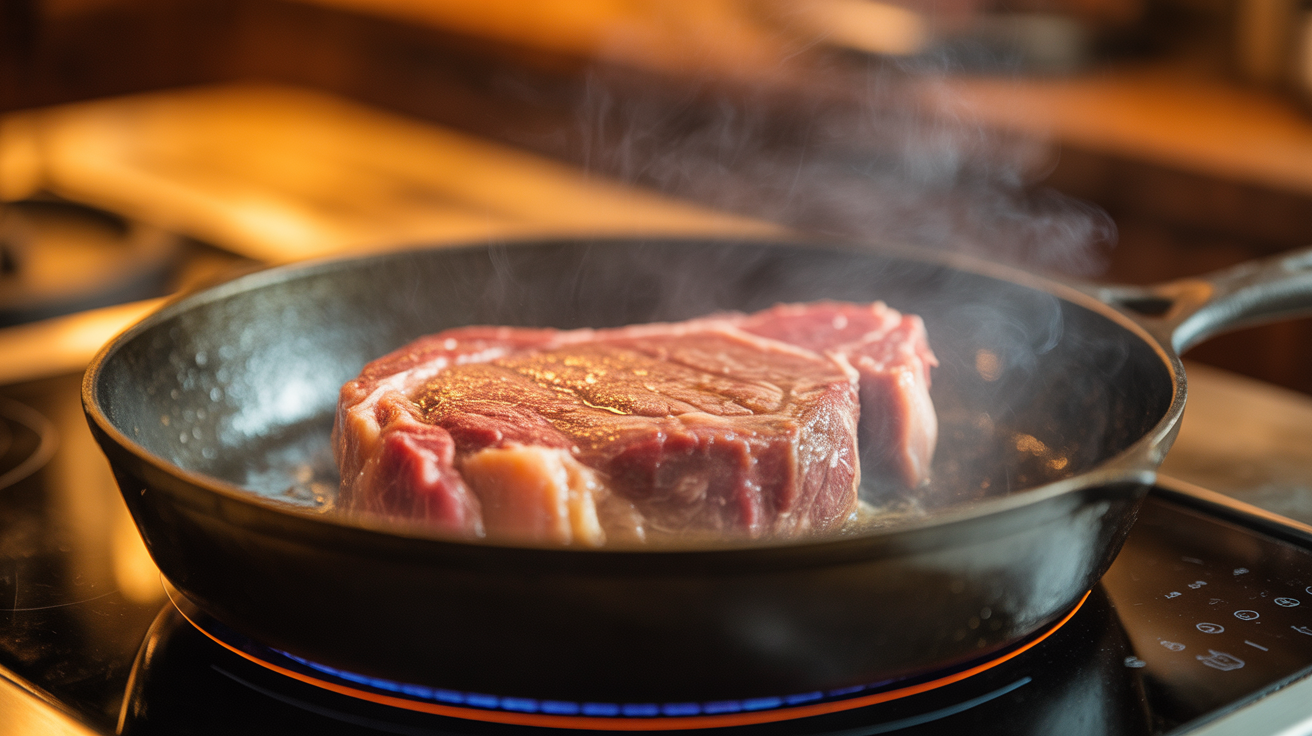
There are many reasons professional chefs love using stainless steel cookware sets on modern cooktops. If you want a fast, clean, and highly responsive cooking experience, this material is brilliant. It makes everyday cooking much more manageable.
Faster Heat Response and Control
With induction cooking, speed is the greatest feature. A good set of steel collections can boil water in just two to three minutes. Because the metal is highly responsive, you have ultimate control over the cooking temperature. This removes a lot of the guesswork from tricky recipes.
Ideal for Sauces, Sautéing, and Delicate Cooking
When I sauté vegetables or build delicate pan sauces, a stainless pan is my go-to choice. The bright, shiny surface allows me to see the color of my food easily. I can watch butter brown or check the fond without burning it. You simply cannot see these subtle color changes against dark iron.
Non-Reactive Surface for Acidic Foods
Food-grade stainless steel is completely non-reactive. This means it will not change the flavor or color of highly acidic foods like wine, lemons, or tomatoes. If you simmer a heavy tomato sauce in raw cast iron, the acid will strip away the pan’s seasoning. It will also give your pasta sauce a metallic, irony taste.
Dishwasher Compatibility and Easy Cleaning
After a long day, being able to toss your pan in the dishwasher is a massive relief. While I prefer to hand wash my high-end pans, most stainless sets handle dishwashers perfectly well. If you get stubborn burnt food on it, a little scrubbing powder makes it look brand new in seconds. You can even find hybrid options like greenpan stainless that offer easy-clean features.
Lightweight Compared to Cast Iron
If you have wrist issues or just hate wrestling with heavy pots, you will love lightweight steel pans. Tossing stir-fry, flipping pancakes, and pouring soups is completely effortless. The lighter weight also means you are less likely to accidentally drop it and crack your beautiful glass cooktop.
Modern Multi-Layer Construction Benefits
The invention of clad cookware changed the culinary world forever. By bonding magnetic steel, aluminum and cooking steel together, brands created the ultimate induction tool. You get the magnetic connection needed for the stove, combined with the superior heat spreading of aluminum. This is why clad steel works so beautifully.
Advantages of Cast Iron for Induction Cooking
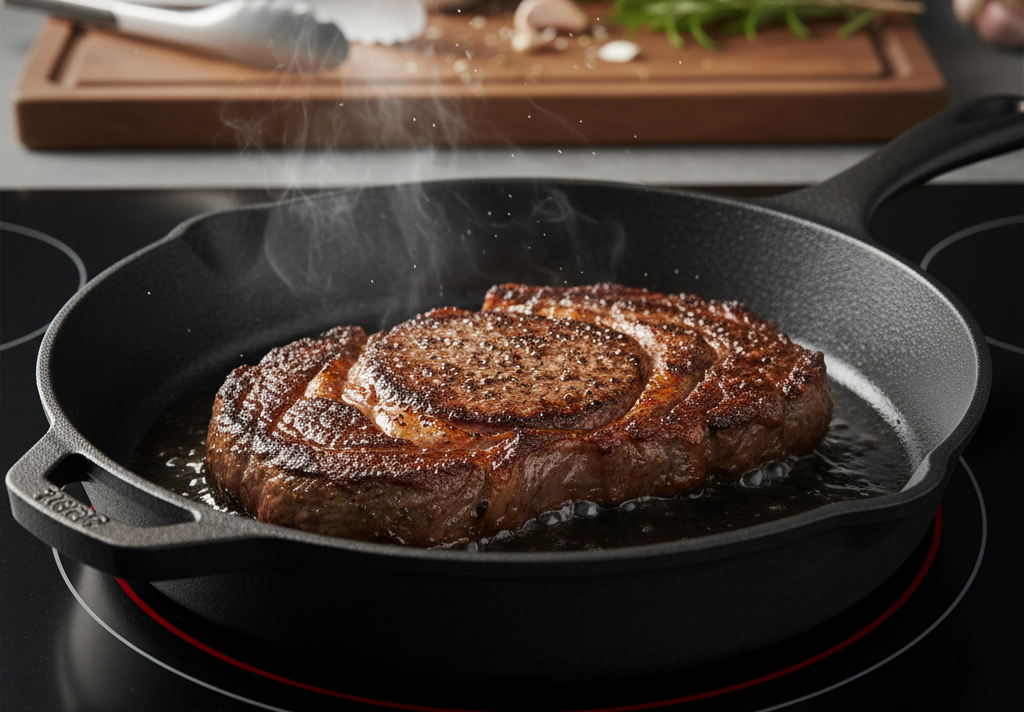
While steel is intensely practical, cooking with cast iron on an induction stove has a loyal fanbase for a very good reason. Many traditional home cooks firmly believe that cast iron is the absolute ultimate choice for induction. Let us take a closer look at why it remains so incredibly popular among culinary enthusiasts.
Exceptional Heat Retention
Nothing holds thermal energy quite like a thick slab of iron. When you heat cast iron on an induction stove, it acts like a battery storing heat. This is perfect for recipes that require a consistent, unyielding cooking temperature. It will not cool down easily once fully heated.
Perfect for High-Heat Cooking and Searing
If you want a steakhouse-quality crust on your ribeye, you need cast-iron frying pans. When you put cold meat into a hot stainless pan, the pan’s temperature drops rapidly, which can cause the meat to steam. Cast iron powers right through that temperature drop. It sears meat aggressively, locking in flavor and creating a beautiful crust.
Naturally Non-Stick When Properly Seasoned
Through the process of polymerization, baking thin layers of oil onto cast iron creates a natural non-stick coating. A well-seasoned cast iron pan can fry an egg just as well as a Teflon pan. Traditional non-stick pans wear out quickly. It’s why cast iron is a much safer and permanent non-stick solution for induction cooking.
Long Lifespan and Durability
Cast iron pans are true heirloom items. You can buy a standard skillet for cheap today and hand it down to your grandchildren in fifty years. They do not have delicate clad layers that can separate over time. As long as you keep it dry and oiled, it will last forever.
Versatility (Oven, Grill, Campfire)
Cast iron is incredibly versatile. You can start a thick pork chop on your induction cooktop and move the entire pan into a 500-degree oven to finish. You can also take that exact same pan outside and use it on a charcoal grill or an open campfire. A steel pan can go in the oven, but it will be ruined by a campfire.
Potential Downsides of Each Material on Induction
No single material is perfect. Know this before you invest in an expensive cookware set. You must understand the weaknesses of both materials when paired with an electromagnetic stove. Knowing the downsides helps you avoid buyer’s regret.
Stainless Steel Drawbacks on Induction
- Hot spots in cheaper pans: Thin, cheap steel will only heat up exactly where the induction coil sits, causing food to burn in the middle.
- Food sticking issues: Stainless is not non-stick, meaning proteins like eggs and fish will stick like glue if you do not use enough oil.
- Higher cost for quality clad cookware: To get an even cook on induction, you need expensive, multi-layer stainless steel pans.
Cast Iron Drawbacks on Induction
- Extremely heavy cookware: The heavy weight can be difficult for older cooks or anyone with limited hand strength to lift and maneuver safely.
- Slower heating response: If your food is burning, turning down the induction dial will not save it, forcing you to move the heavy pan.
- Risk of scratching glass cooktops: The rough, unpolished bottom of raw cast iron can easily scratch your shiny induction cooktop surface.
- Requires seasoning and maintenance: You cannot let it soak, you cannot put it in the dishwasher, and you must apply oil after washing.
Which Material Performs Better for Different Cooking Tasks?
To finally answer is stainless steel or cast iron better for induction, we have to look at your daily menu. Match your cookware material to the type of food you cook most frequently. This is the easiest way to make a decision.
Best for Searing Meat
Winner: Cast Iron. The massive heat retention of cast iron guarantees a dark, crispy crust on steaks, burgers, and pork chops.
Best for Frying and Deep Frying
Winner: Cast Iron. When deep-frying chicken or french fries, you need the frying oil to stay at a steady temperature. Cast iron prevents the oil temperature from crashing when you add cold food to the pot.
Best for Cooking Sauces
Winner: Stainless Steel. The bright surface lets you track color changes easily. The fast heat response also prevents delicate dairy or wine sauces from breaking or boiling over.
Best for Boiling and Simmering
Winner: Stainless Steel. Stainless steel transfers heat from the induction coil so rapidly. It is the best tool for boiling water for pasta or simmering soups.
Best for Everyday Cooking
Winner: Stainless Steel. For daily tasks like sautéing onions, making stir-fry, or cooking a quick weeknight dinner, the lightweight nature of steel wins out.
Best for Professional-Style Cooking
Winner: Both. Professional kitchens use the strengths of both materials. They use stainless steel for fast, precise line-cooking and cast iron for heavy searing and oven-roasting.
Can Cast Iron Damage an Induction Cooktop?
One of the biggest fears new induction owners have is ruining their expensive glass-ceramic cooktops. Whether you own a whirlpool induction cooktop or another brand, glass requires care. Because iron is heavy and rough, it poses a real threat if used carelessly.
Risk of Scratching Glass Induction Surfaces
Traditional raw cast iron has a textured, bumpy surface left over from the sand molds used to make them. If you drag or slide a heavy cast iron pan across your induction stove, it acts like sandpaper. This can leave permanent, ugly scratches on your whirlpool induction cooktops or other premium stoves.
Safe Ways to Use Heavy Cookware on Induction
The golden rule for using cast iron on glass stoves is to always pick it up. Never slide the pan to move it to another burner. You should also set the heavy pan down gently to avoid cracking the glass under sudden impact.
Cookware Bottom Design and Smoothness
If you love the heavy heat of iron, consider buying enameled cast iron instead. These pans have a smooth glass coating baked onto the bottom, making them much gentler on your stove. You can also look for premium raw cast iron brands that machine-sand their bottoms completely flat and smooth.
Tips to Prevent Cooktop Damage
Because induction cooktops only heat the metal, the glass itself does not get screaming hot. Because of this, you can actually place a thin silicone baking mat or a sheet of parchment paper directly between the glass and your pan! The magnetic field passes right through the silicone, cooking your food while protecting the glass.
How to Choose Between Stainless Steel and Cast Iron for Induction
If you are still stuck trying to decide, you need a personal decision framework. I recommend answering the following questions to narrow down your choice. This will help you find the absolute best fit for your home.
Consider Your Cooking Style
Do you cook massive steaks, fry lots of bacon, and bake cornbread? Cast iron is going to be your best friend. Do you prefer making pastas, stir-fries, delicate sauces, and fast weeknight meals? Everyday stainless steel will suit your daily habits much better.
Consider Weight and Ease of Use
Go to a kitchen store and pick up a 12-inch cast iron skillet with one hand. Now imagine it is full of hot food and liquids. If that feels too heavy or painful for your wrists, you should absolutely stick to lighter steel collections.
Consider Maintenance Preferences
Be honest with yourself about doing dishes after a long day. If you hate hand washing and want to let pots soak in the sink overnight, cast iron will rust and cause you headaches. Choose steel for low-stress cleanup and dishwasher safety.
Consider Budget and Long-Term Value
A fantastic cast iron skillet costs very little and will last a lifetime, making it an incredible budget buy. A high-quality clad steel pan costs significantly more upfront. While stainless is pricier, it is a worthy investment for its speed and daily convenience.
Consider Kitchen Versatility Needs
If you want a pan that can go from an induction stovetop, into the oven, and out to the backyard grill, cast iron is the ultimate multi-tool. If you only ever cook inside on your induction ranges, a steel pan provides all the versatility you actually need.
Best Types of Stainless Steel and Cast Iron Cookware for Induction
Knowing what specific styles to look for will save you from making a bad purchase. Here are the specific types of cookware that excel on electromagnetic stoves. Buying the right type makes a huge difference.
Tri-Ply and Multi-Clad Stainless Steel Pans
Never buy cheap, thin, single-layer stainless steel. Always look for tri-ply or multi-layer construction. The thick layers of aluminum inside the steel are absolutely required to spread the intense induction heat evenly across the pan.
Enameled Cast Iron vs Traditional Cast Iron
Enameled cast iron is coated in smooth porcelain glass, making it non-reactive, easier to clean, and safe for glass cooktops. Traditional raw iron requires seasoning and maintenance. But it handles much higher temperatures for extreme searing. Both are perfect for induction, but enameled is generally more user-friendly.
Skillets, Dutch Ovens, and Saucepan Options
I recommend buying your saucepans and stockpots in stainless steel, as you want fast boiling times for liquids. For skillets, having one of each material is ideal. Finally, a heavy cast iron Dutch oven is an absolute must-have for baking bread and slow-roasting meats.
What to Look for in Induction-Ready Cookware Bases
Always look at the bottom of the pan before buying anything. It needs to be perfectly flat with no deep ridges or severe curves. The more surface area that touches the glass, the stronger the magnetic connection will be, resulting in faster and more even cooking.
Frequently Asked Questions About Induction Cookware
Does stainless steel heat evenly on induction?
High-quality clad stainless steel heats very evenly on induction. This is because it has a highly conductive aluminum core. Cheap, single-layer steel does not spread heat well and will create severe hot spots right above the induction coil.
Why does induction sometimes struggle with thin stainless steel?
Thin pans lack the mass required to distribute magnetic heat effectively. The induction coil blasts heat into the thin metal so fast that the pan can warp under thermal shock. Once warped, it loses flat contact with the glass and the stove will struggle to recognize it.
Is enameled carbon steel a good alternative?
Yes, enameled carbon steel and regular carbon steel pans offer a great middle ground. A carbon steel pan is lighter than cast iron but still holds heat very well. They are highly magnetic and perform beautifully on all induction stovetops.
Can you use both materials interchangeably on induction?
Yes! As long as the pans are magnetic, you can use both materials on the exact same stove. In fact, most chefs use many materials during a single meal to take advantage of their different heating properties.
What cookware material works best on induction cooktops?
There is no single best material, but clad steel and cast iron are tied for the top spot. Carbon steel pans are also highly regarded as they act like lighter-weight cast iron skillets.
Final Verdict: Is Stainless Steel or Cast Iron Better for Induction?
So, is stainless steel or cast iron better for induction? The truth is that comparing them is like comparing a sports car to a heavy-duty pickup truck. They are both excellent at what they were designed to do.
When Stainless Steel Is the Better Choice
You should buy stainless steel if you value speed, precise temperature control, and easy cleanup. It is the absolute best choice for boiling, sautéing vegetables, making sauces, and busy weeknight cooking. If you want a lightweight, low-maintenance kitchen workhorse, clad steel is the clear winner.
When Cast Iron Is the Better Choice
You should buy cast iron if you care deeply about high-heat searing, deep-frying, and baking. Its unmatched heat retention makes it the king of creating crusts on meat and holding steady frying temperatures. If you don’t mind the weight and the minor maintenance of seasoning, iron is incredibly rewarding.
Why Many Kitchens Benefit from Having Both
In my experience, the smartest approach is to build a hybrid cookware set for your home. I use my stainless saucepans and skillets for most of my daily cooking. But, I always keep my heavy cast iron skillet nearby for steak nights and making crispy smash burgers. By owning both, you unlock the absolute full potential of your induction cooktop.
External Sources:
https://www.smeguk.com/inspirations/what-pans-for-induction-hob-use.html