
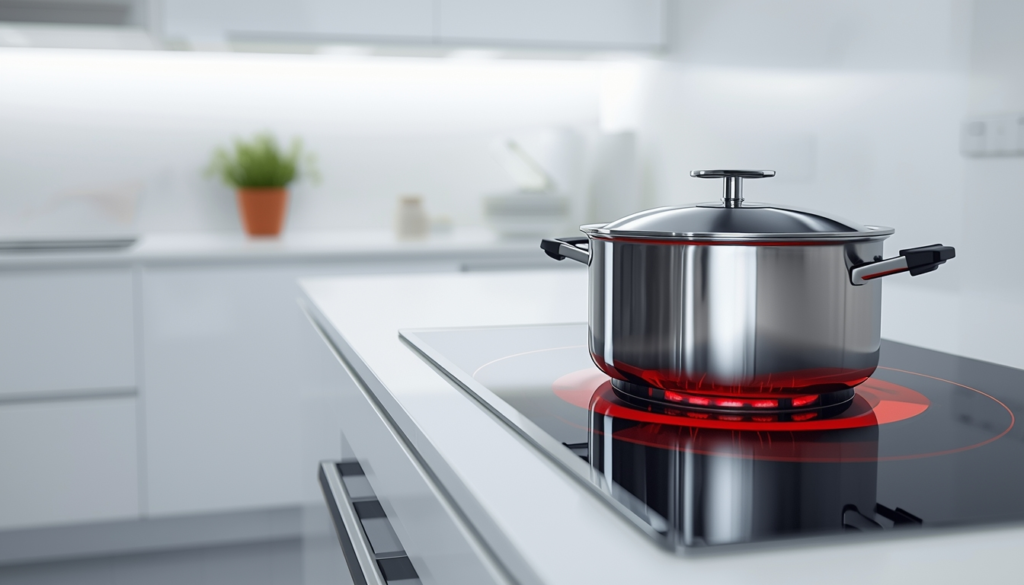
Induction cookware can work on an electric coil stove. I know this might seem confusing at first, since induction cookware sounds like it only belongs on an induction cooktop. But the truth is, most induction-compatible pots and pans work fine on a regular coil burner.
This guide, walks you through exactly why that is. You wiil also learn what to watch out for, and how to get the best results from your cookware no matter which stove you’re using.
Key Takeaways
- Yes, induction cookware works on electric coil stoves without any issues.
- Coil stoves heat cookware through direct contact, so magnetic properties don’t matter.
- Performance may be slower and less precise compared to induction cooktops.
- Flat-bottom, heavy cookware (like stainless steel or cast iron) performs best.
- Uneven heating can occur if the pan is warped or mismatched to the burner size.
Does Induction Cookware Work on Electric Coil Burners?
Yes, induction cookware works on electric coil stoves. Here’s the simple reason: electric coil stoves heat cookware through direct contact and heat conduction. They don’t care whether a pan is magnetic or not. So the magnetic properties that make a pan “induction-ready” are extra features that don’t get in the way on a coil burner.
The only real question is whether the pan has a flat, stable base that sits well on the coils. Most quality induction pots and pans do.
Does induction cookware work on coil burners?
Yes. Any pan labeled as induction-compatible will also work on electric coil stoves. The induction-ready label just means the pan has a ferromagnetic base. That same base conducts heat just fine from coil burners too.
Is it safe to use induction pots on electric coils?
Completely safe. There are no special risks when using induction pans on coil stoves. Just make sure the pan sits flat and stable on the burner. Heavy cookware like a cast iron pan should be placed and lifted carefully to protect both the pan and the stovetop.
Will performance differ compared to induction cooktops?
Yes, and this is important to understand. On a true induction cooktop, electromagnetic energy heats the pan directly and very fast. On an electric coil stove, the coil heats up first, then transfers that heat to the pan. This means heating is slower and temperature control is less precise on a coil burner.
When does it not work?
The only time induction cookware doesn’t perform well on coil stoves is when the pan base is warped or the pan is much smaller than the burner. A well-heating pan needs good contact with the coil surface to transfer heat properly.
What Is Induction Cookware and How Does It Work?
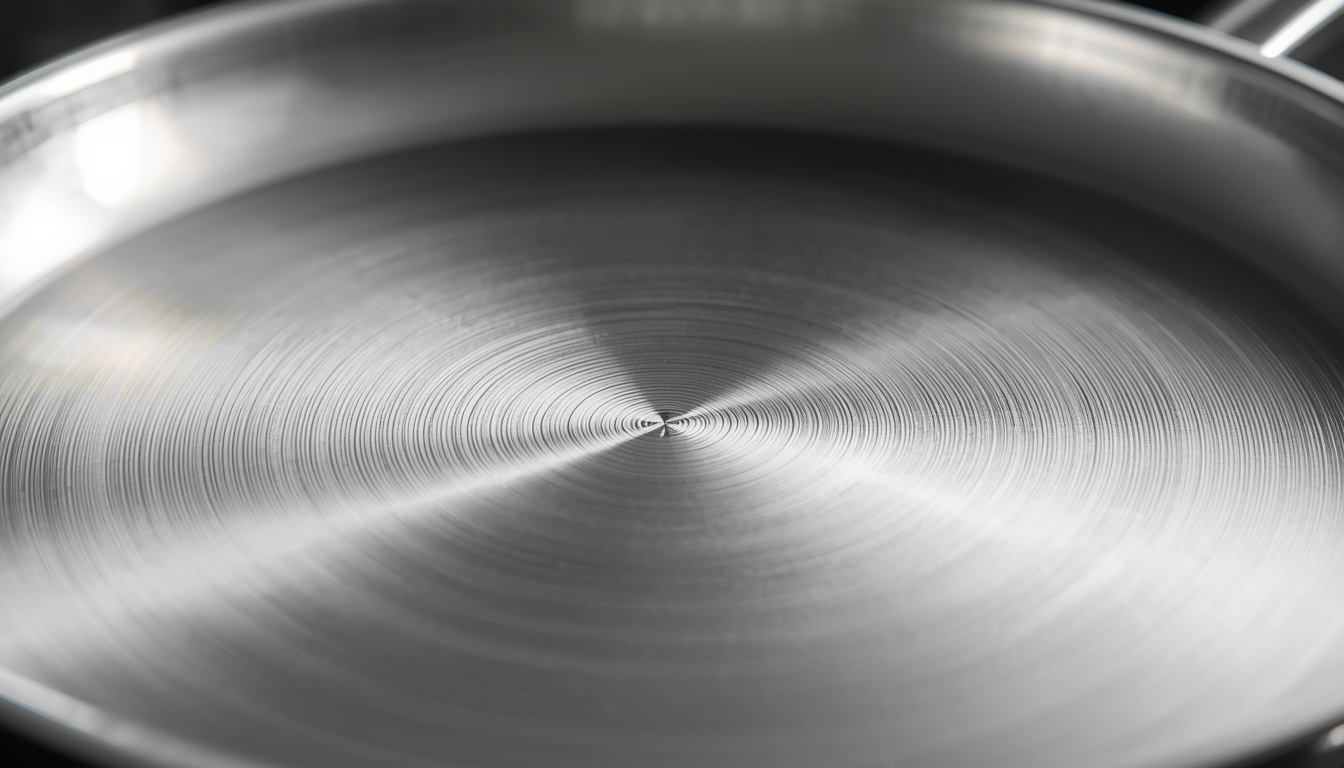
Induction cookware is any pot or pan designed to work with induction technology. The key feature is a magnetic base, usually made from ferromagnetic materials like cast iron or magnetic stainless steel. These materials respond to the electromagnetic field produced by an induction cooktop.
What defines induction cookware?
A pan is considered induction-ready when a magnet sticks firmly to its base. That magnetic base allows the cooktop to generate heat inside the pan using electromagnetic energy. The pan itself becomes the heat source, not the burner underneath it.
The role of magnetic materials in induction cooking
Induction cooking works by passing an alternating electric current through a copper coil beneath the cooktop surface. This creates a magnetic field. When a ferromagnetic pan sits on that field, the energy creates resistance inside the metal, which generates heat. Non-ferromagnetic cookware, like pure aluminum pans or non-magnetic stainless steel, doesn’t respond to this process.
Common materials used (cast iron, stainless steel)
The most popular induction-compatible materials are:
| Material | Induction Compatible? | Notes |
|---|---|---|
| Cast iron | ✅ Yes | Excellent heat retention, heavy |
| Magnetic stainless steel | ✅ Yes | Most common induction-ready choice |
| Non-magnetic stainless steel | ❌ No | Common in cheaper pots |
| Aluminum pans | ❌ No (unless bonded) | Need an added magnetic base |
| Copper cookware | ❌ No (unless bonded) | Beautiful but non-magnetic |
| Enameled cast iron | ✅ Yes | Cast iron core still works |
How induction differs from traditional heating methods
On a gas stove or electric stove, the heat source warms the outside of the pan first. The pan then conducts heat inward to the food. On an induction cooktop, the heat is generated inside the pan’s base itself. This makes induction heating faster, more energy-efficient, and more responsive than any traditional stove method.
For a deeper dive into how this process works, check out this guide on how induction cooking works for a full breakdown of the science.
How Electric Coil Stoves Heat Cookware
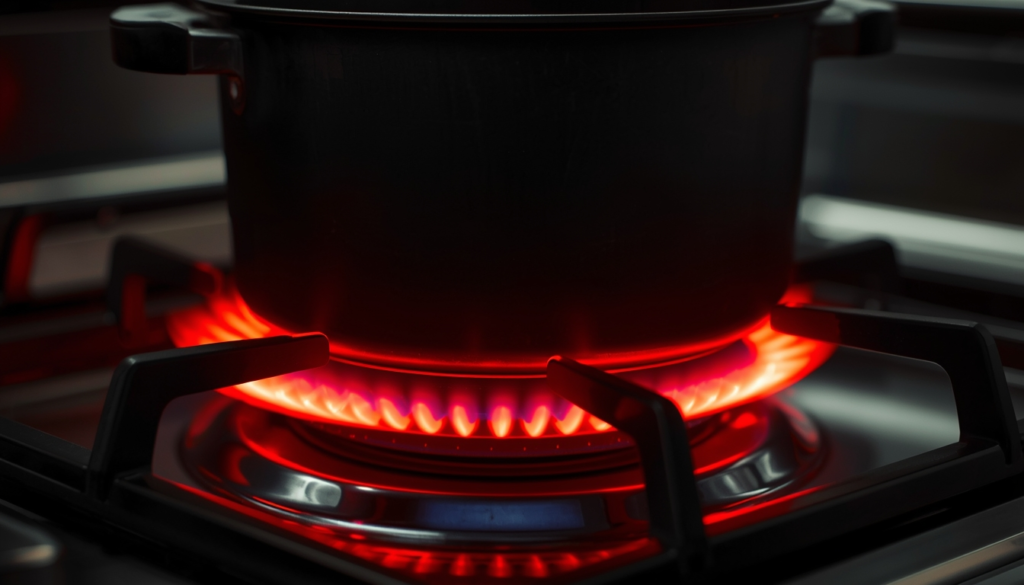
Electric coil burners are one of the most common stovetop appliances in American kitchens. They’re simple, durable, and work with almost any cookware. Understanding how they work helps explain why induction cookware is so compatible with them.
How electric coil burners generate heat
When you turn on a coil burner, electricity flows through a coiled metal element. That element resists the electric current, which creates heat, the same basic idea as a toaster wire. The coil glows red-hot and radiates heat upward toward the pan sitting on top of it.
Heat transfer through conduction
Once the coil is hot, it transfers heat to the pan by direct contact. This is called heat conduction, the movement of thermal energy from one solid object to another when they touch. The pan base then conducts that heat up to the food inside. A flat-bottomed pan with good contact across the coil gets the most even heat transfer.
Differences between coil, radiant, and induction heat
| Stovetop Type | Heat Method | Speed | Precision |
|---|---|---|---|
| Electric coil | Conduction (direct contact) | Slow to medium | Low |
| Radiant/glass top | Radiant heat from below | Medium | Medium |
| Induction cooktop | Electromagnetic energy in pan | Very fast | Very high |
| Gas stove | Flame convection + conduction | Fast | Medium-high |
Why cookware compatibility is less restrictive on coil stoves
Electric coil stoves don’t care what the pan is made of, as long as it sits on the coil and conducts heat. This is why a traditional stove can use aluminum pans, copper cookware, and glass. It includes even non-compatible cookware that would never work on an induction range. Coil stoves are the most forgiving of all stovetop types when it comes to cookware.
Why Induction Cookware Works on Electric Coil Stoves
The reason induction-ready cookware works so well on coil stoves comes down to materials. Induction-compatible build often uses high-quality stainless clad construction or thick cast iron. Both of these materials conduct heat very well from any heat source, including electric coils.
Induction cookware vs standard cookware: what’s the difference?
The main difference is the base. Induction cookware has a ferromagnetic base that responds to magnetic fields. Standard cookware may or may not have this. But when it comes to coil stove use, both types work, the magnetic base doesn’t interfere with coil heating at all.
Why magnetic properties don’t limit coil stove use
The magnetic base in induction pans is just extra metal, usually a layer of iron or magnetic steel bonded to the bottom of the pan. On a coil stove, this layer simply acts like any other metal base. The coil heats it by conduction just like it would heat a regular pan.
Flat base and heat conduction advantages
Many induction pans are made with very flat, thick bases. This is actually a big advantage on coil burners too. A flat base means better contact with the coil, which means more even heat transfer and less uneven heating. Some standard pots actually perform worse because of thinner, less flat bases.
Are there any restrictions?
The only real restriction is this. If the induction pan has a pasted-on induction bottom, a cheap disc glued to an otherwise non-magnetic pan. Be careful not to overheat it on coil burners. High direct heat can sometimes loosen these discs over time. Solid magnetic stainless steel or cast iron cookware has no such concern.
Pros and Cons of Using Induction Cookware on Electric Coil Stoves
Like any cooking setup, there are real advantages and a few trade-offs worth knowing before you get started.
Pros
Versatility across many stove types. This is the biggest win. If you buy induction-compatible cookware today, you’re future-proofing yourself. Whether you upgrade to induction cooktops later or stick with coil stoves, your pans work everywhere.
Durable construction. Induction cookware, especially stainless clad and cast iron options, tends to be built tough. Many cooks find that induction-ready pans outlast cheaper standard cookware by years.
Even heat distribution in quality pans. Multi-clad stainless and enameled cast iron distribute heat very evenly across the base. This helps reduce hot spots on coil burners, which can sometimes heat unevenly due to their coiled shape.
Works on all stove types. Induction pans work on gas stoves, coil stoves, radiant electric cooktops, and induction cooktops. That kind of flexibility is rare with specialized cookware.
Cons
Slower heating compared to induction cooktops. On a coil stove, you lose the lightning-fast response of induction cooking. Boiling water takes longer. Precise temperature control is harder. Many cooks find this frustrating if they’re used to induction speed.
Potential for uneven heating on warped pans. If the pan base isn’t perfectly flat, it won’t sit evenly on the coils. This leads to uneven heating and frustrating cooking results. Always check that your pans are warp-free.
Weight considerations with cast iron. A cast iron pan on a coil stove can be very heavy. Dragging it across coils can scratch the burner plates and misalign the coils over time. Always lift, never drag, heavy cookware.
Energy efficiency differences. Coil stoves waste more energy than induction cooktops. Much of the heat from the coil radiates into the air instead of going directly into the pan. This means higher energy use for the same cooking tasks.
Performance Differences: Induction Cooktop vs Electric Coil Stove
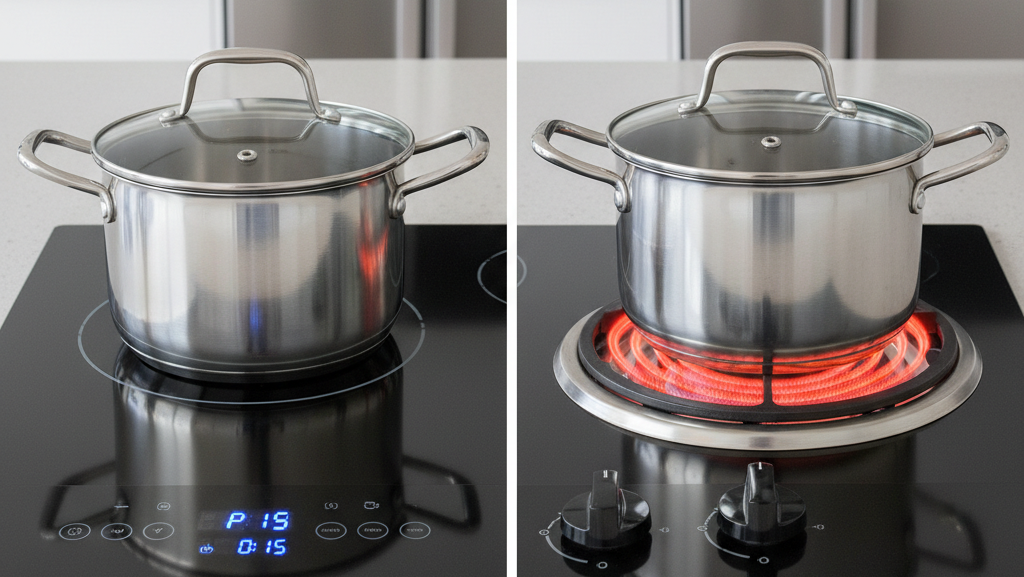
If you’re switching between these two stove types, you’ll notice real differences in everyday cooking.
Speed of heating comparison
Induction cooktops can boil water in 2–3 minutes on average. A coil stove typically takes 6–8 minutes for the same amount of water. This is because induction heats directly create heat inside the pan, while the coil must heat itself first before transferring to the pan.
Temperature control differences
Induction cooking offers precise temperature control almost instantly. Lower the setting and the pan cools down within seconds. On a coil stove, the coil stays hot long after you reduce the heat. This makes delicate cooking, like simmering sauces, harder on a coil burner.
Energy efficiency breakdown
| Stove Type | Energy Efficiency |
|---|---|
| Induction cooktop | ~85–90% efficient |
| Electric coil stove | ~65–70% efficient |
| Gas stove | ~40–55% efficient |
Induction wins hands down on energy savings. But for everyday coil stove users. The difference shows up in higher electricity bills rather than cooking quality.
Cooking precision and responsiveness
Precise heating is one of induction’s greatest strengths. On a coil burner, you’re essentially guessing at heat levels after the initial heat-up. For pan frying, sautéing, and simmering, induction gives far more control. Coil stoves are fine for boiling, braising, and most everyday cooking, just less precise.
Real-world cooking scenarios
- Boiling pasta: Works great on coil, just takes a bit longer
- Pan frying: Works well, but watch for hot spots if your pan is thin
- Simmering sauces: Trickier on coil; use the lowest setting and watch carefully
- Searing meat: A heavy cast iron pan on a preheated coil stove works beautifully
How to Check If Your Cookware Is Induction Compatible
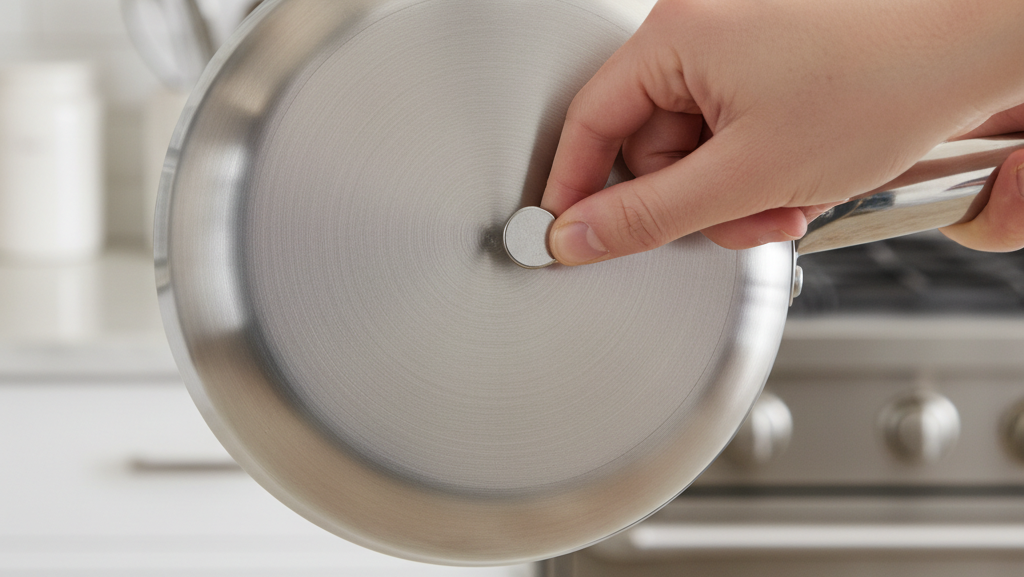
Not sure if your pots and pans will work on an induction stovetop someday? Here’s how to check, and it only takes a few seconds.
The magnet test explained
This is the simplest and most reliable method. Grab a regular refrigerator magnet and hold it against the base of the pan. If the magnet sticks firmly, the pan is induction-compatible. If it barely sticks or slides off, the pan won’t work on induction, though it will still work fine on your coil stove.
Manufacturer labeling and symbols
Most cookware sold today includes common cookware symbols on the packaging or the base of the pan. Look for a coiled spring symbol (🔥 with a spiral) or the word “induction” printed on the bottom. These show induction compatibility. Some brands also use the phrase “induction-ready” or show a compatibility chart covering gas, electric, and induction stoves.
Base construction and materials to look for
When shopping, look for:
- Magnetic stainless steel or 18/0 stainless on the base (18/10 stainless is often non-magnetic)
- Cast iron (always induction-compatible)
- Multi-clad or stainless clad construction, layers of aluminum sandwiched between steel
- Avoid pans labeled “aluminum only” or “for use on gas and electric only”
You can learn more about how to identify compatible pans in this detailed guide on how to tell if your cookware is induction compatible.
Common cookware types that work (and don’t)
| Cookware Type | Works on Coil? | Works on Induction? |
|---|---|---|
| Cast iron pan | ✅ Yes | ✅ Yes |
| Magnetic stainless steel | ✅ Yes | ✅ Yes |
| Non-magnetic stainless steel | ✅ Yes | ❌ No |
| Aluminum pans (no disc) | ✅ Yes | ❌ No |
| Copper cookware (no disc) | ✅ Yes | ❌ No |
| Non-stick pans (magnetic base) | ✅ Yes | ✅ Yes |
| Glass/ceramic cookware | ✅ Sometimes | ❌ No |
Best Types of Induction Cookware for Electric Coil Stoves
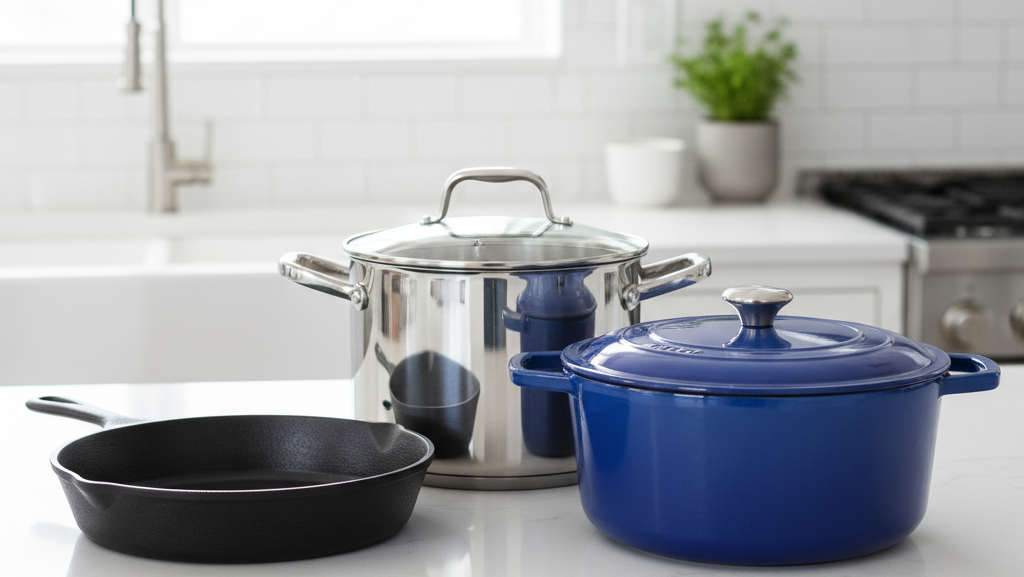
Choosing the right cookware matters. Even if you’re cooking on coil stoves today or planning to switch to induction cooktops in the future.
Stainless steel cookware (multi-clad vs single layer)
Multi-clad stainless (like tri-ply or 5-ply) is one of the best options for both stove types. It combines an aluminum core for excellent heat distribution with magnetic stainless layers on the outside. For coil stoves especially, the thick aluminum core helps spread heat from the coil more evenly across the entire base.
Single-layer stainless is cheaper but can create hot spots on coil burners. If you want the best performance, go multi-clad. To understand the difference in depth, see this breakdown of whether tri-ply or 5-ply stainless steel is better.
Cast iron cookware (pros and limitations)
Cast iron is heavy, but it’s one of the best performers on coil stoves. It heats slowly but retains that heat incredibly well — great for frying, searing, and baking. The downsides: it’s heavy, takes time to heat up, and needs regular seasoning to stay non-stick.
Enameled cast iron options
Enameled cast iron (like Le Creuset or Lodge Enameled) gives you all the benefits of cast iron without the seasoning requirement. It’s easier to clean, won’t react with acidic foods, and works beautifully on coil burners and induction cooktops alike. The enamel coating also makes it more beginner-friendly.
Avoiding poor-quality or thin-base pans
Thin, cheap pans with a pasted-on induction bottom are the worst choice for coil stoves. The bonded disc can warp or detach with high heat, and thin bases create uneven heating. Invest in solid construction, your cooking progress will show the difference immediately.
Common Problems and Fixes When Using Induction Cookware on Coil Stoves
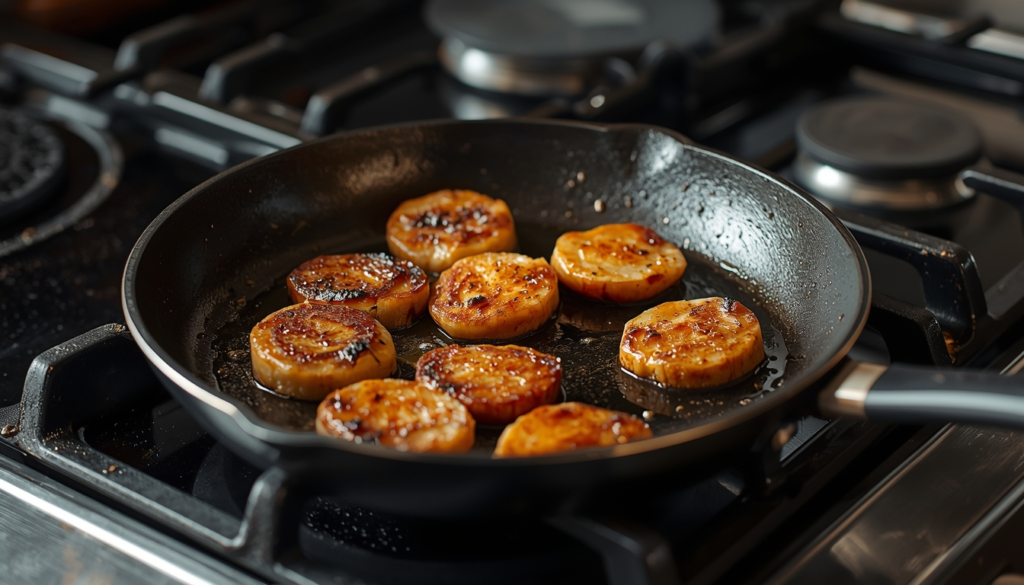
Even great cookware can cause headaches if you don’t know what to watch for. Here are the most common issues and how to fix them.
Uneven heating: causes and solutions
Cause: The coil doesn’t cover the full base of the pan, or the coil has hot spots. Also happens with warped pans.
Fix: Match your pan size to the burner size as closely as possible. Use thick-based pans that spread heat better. Preheat the pan slowly to let heat distribute evenly before adding food.
Burner size mismatch issues
If your pan is much larger than the burner, the center heats up but the edges stay cool. If the pan is too small, heat escapes around the sides and wastes energy. As a rule: match the pan base diameter to the coil diameter as closely as you can.
Warped pan bottoms
Warping happens when a thin pan is exposed to sudden temperature changes, like rinsing a hot pan with cold water. A warped pan won’t sit flat on the coil, which creates hot spots and uneven heating. Always let pans cool before washing, and use thick-based pans that resist warping.
Slow cooking performance
If your coil stove feels sluggish, check that the coils are making good contact with the pan base. Dirty or damaged coils can reduce efficiency. Also give the coil time to fully preheat, coil stoves take longer to reach temperature than gas or induction.
Noise or vibration concerns
Sometimes induction-ready pans make a slight buzzing sound on coil stoves. This is rare and usually harmless, it can happen with multi-disc bottoms vibrating slightly. If the noise is loud or persistent, check that the pan is seated firmly and evenly on the coil.
Safety Considerations When Using Induction Cookware on Electric Coil Stoves
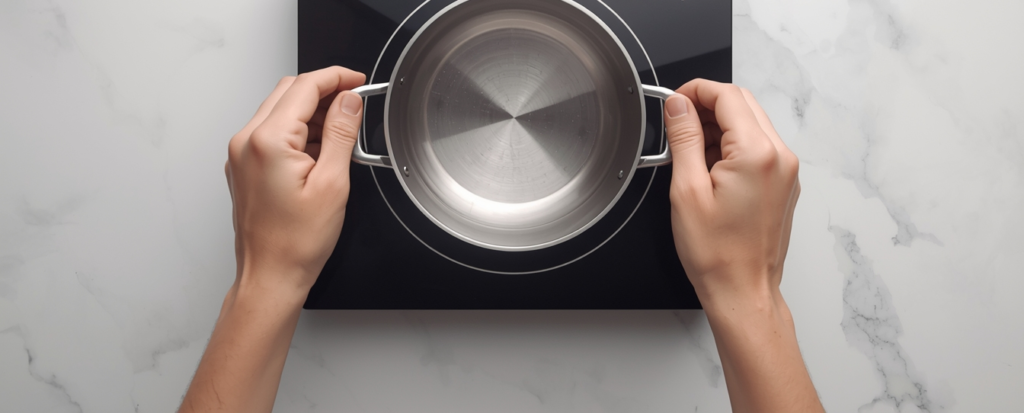
Safety is worth taking seriously, especially with heavy or high-heat cookware.
Overheating risks
Coil stoves can get extremely hot, and heavy cast iron retains that heat for a long time. Always use oven mitts or silicone grips when handling pans that have been on the coil. Never leave an empty cast iron pan on a hot coil, it can overheat and warp, or become a burn hazard.
Handling heavy cookware safely
Heavy cookware like cast iron should always be lifted, not slid across the coil. Dragging cast iron can damage the coil burner mounts and the burner drip pans. It can also scratch enameled surfaces.
Preventing scratches on stovetops
Coil stoves are more scratch-resistant than glass-top electric stoves. But rough bases can still damage burner drip pans over time. Use pans with smooth, finished bases when possible.
Proper placement on coils
Always center your pan over the coil burner for even heat. A pan sitting off-center heats unevenly and can tip if bumped. With induction woks or round-based pans, you may need a wok ring adapter to stabilize the pan on a coil burner.
When Induction Cookware Might Not Perform Well on Coil Stoves
There are situations where even good induction pans underperform on coil stoves. It’s worth knowing these in advance.
Thin or poorly constructed cookware
Lightweight induction pans with thin bases can create significant hot spots on coil burners. Even if they’re induction-compatible. Thin construction doesn’t give the coil enough solid metal to distribute heat into. Stick with pans that feel solid and heavy for their size.
Warped or uneven bases
A warped base is the enemy of coil stove cooking. If the pan rocks on the coil, the contact area is reduced and heat transfer becomes inconsistent. Test new pans on a flat surface before buying, they should sit perfectly flat without rocking.
Mismatch between burner and pan size
As mentioned earlier, pan-to-burner size mismatch is a real performance killer on coil stoves. Unlike induction cooktops, where the electromagnetic field adapts somewhat to the pan. Coil stoves can only heat what touches the coil directly. Oversized pans with large surface areas will heat unevenly if the coil underneath is small.
Cooking techniques that need precise heat control
Techniques like tempering chocolate, making delicate custards, or making a perfect caramel need very precise temperature control. These tasks are harder on coil stoves regardless of the cookware used. If precise heating is critical to your cooking style, this is worth knowing before committing to a coil stove setup long-term.
Should You Buy Induction Cookware If You Have an Electric Coil Stove?
This is a question many cooks face, especially when shopping for new cookware. My answer is: yes, it’s worth it.
Is it worth the investment?
Induction-compatible cookware is often better-quality cookware . The ferromagnetic base requirements push manufacturers to use better materials and thicker construction. You’re not only paying for induction compatibility. You’re paying for a more durable, better-performing pan that works everywhere.
Future-proofing for induction cooktops
Induction cooktops are growing fast in popularity. Whirlpool induction cooktops, GE induction ranges, and portable single-burner induction units are all becoming more accessible and affordable. If you ever switch stoves. Your induction-ready cookware travels with you without any replacements needed.
Budget vs premium cookware considerations
You don’t need to spend a fortune. There are great budget-friendly induction cookware options. They perform well on both induction and coil stoves. Look for multi-clad stainless or well-constructed cast iron. It’s better than cheap non-stick pans with pasted-on discs. Spending a little more upfront often saves money in the long run.
For a practical look at what you actually need, this guide to what basic cookware every kitchen needs is a great starting point.
Alternatives to induction cookware
If you’re not ready to invest in induction-ready cookware, don’t worry. Regular stainless steel (non-magnetic), aluminum pans, and even copper cookware all work fine on coil stoves. You simply won’t have the flexibility to use them on an induction cooktop later.
FAQs About Induction Cookware and Electric Coil Stoves
Can induction pans damage an electric coil stove?
No. Induction pans are safe to use on coil stoves. The only risk is physical, heavy cast iron pans can scratch drip pans if dragged, not lifted. The pans themselves won’t cause any electrical or heat-related damage to the appliance.
Do induction pots heat faster on coil stoves?
Not necessarily. The heating speed on a coil stove depends on the coil itself, not the type of pan. Induction pots with thick bases may distribute heat more evenly, but they won’t heat faster than a standard pan on the same coil burner.
Can all stainless steel cookware work on coil stoves?
Yes, all stainless steel. Whether magnetic stainless steel or non-magnetic stainless steel, works on coil stoves. On induction stoves, only magnetic stainless works. This is one of the key reasons coil stoves are more flexible for non-compatible cookware.
Is there cookware that works on all stove types?
Yes, cast iron and magnetic stainless steel (particularly multi-clad pans). They all work on every stove type, gas stove, electric coil, radiant electric, and induction. These are the most versatile choices you can buy. You can explore options in this detailed guide to the best induction cookware sets for picks that cross over beautifully to coil stoves too.
Why is my induction pan not heating evenly on my coil stove?
The most likely causes are: a warped base, a pan that’s significantly larger than the burner, or a thin base that doesn’t spread heat well. Try a smaller burner that better matches your pan size, or preheat the pan slowly on low heat before raising the temperature. Also check that your coil burner is clean and making full contact with the pan.
Final Thoughts
Can induction cookware work on an electric coil stove? Absolutely and often, it works better than basic standard pots would. The magnetic base doesn’t interfere with coil heating at all. What matters most is a flat, thick, well-constructed base that makes good contact with the coil.
If you’re buying new cookware and can afford quality induction-compatible pans, go for it. You’ll get durable construction, versatility across all stove types, and the peace of mind. Now that you know your cookware is ready for whatever kitchen appliance comes next.
Check out this helpful overview of how to pick cookware based on your stove type to make the best choice for your kitchen setup.
If you’re cooking on a classic coil stove today or planning to upgrade to induction someday. Buying in induction-ready cookware is one of the smartest kitchen decisions you can make.